
Miso Soup
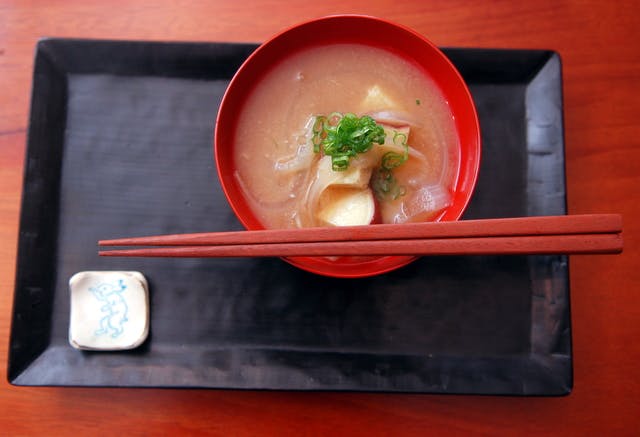
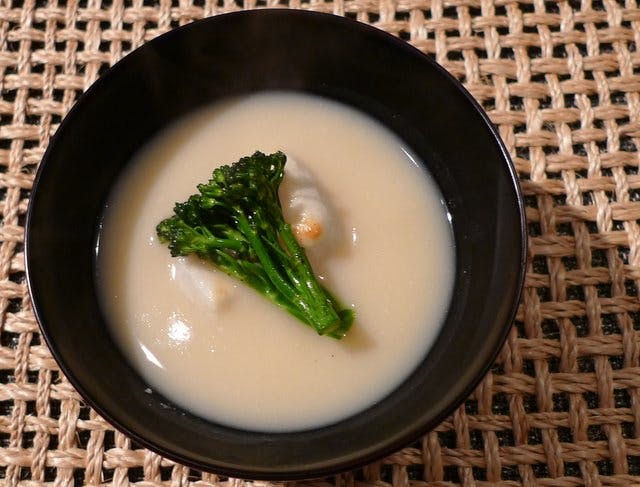
Atsushi's Class and Miso Soup
Atsushi Nakahigashi, a talented chef at the two-star Michelin Kajitsu in New York, shares his recipe for miso soup with saikyo miso, showcasing the endless variation and subtlety of Japanese cuisine. This recipe includes the use of dashi, sautéed broccolini, and toasted mochi. Learn to make this simple, delicious, and beautiful dish.
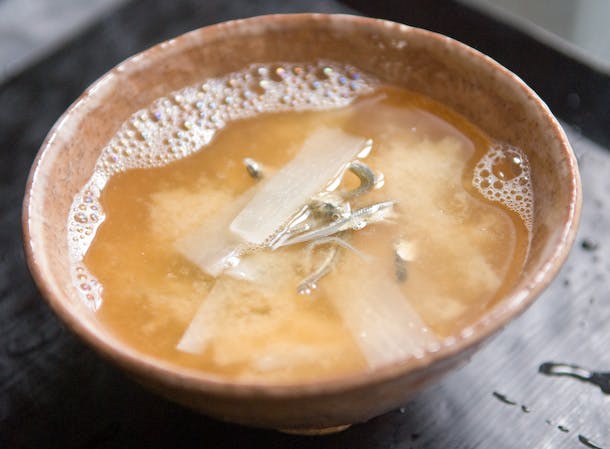
Iriko Dashi & Daikon Miso Soup
Learn how to make a traditional Japanese miso soup using iriko dashi, a simple broth made from small dried fish. This recipe includes the technique for preparing iriko dashi and the ingredients and steps for making the miso soup. Discover the unique flavors and pairings of iriko dashi in traditional Japanese cooking.
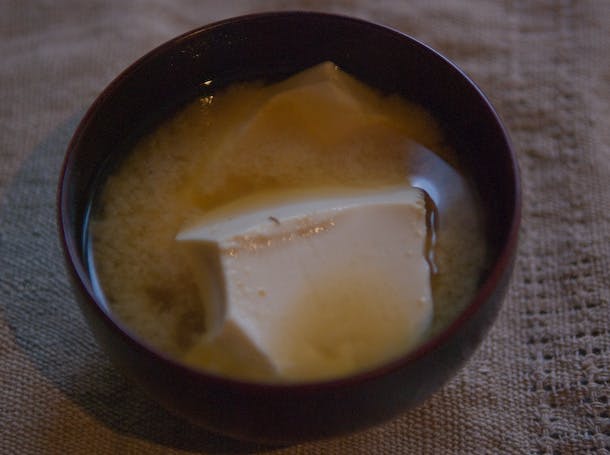
Konbu-Kasuobushi Dashi & Silken Tofu Miso Soup
Learn how to make konbu-katsuobushi dashi and a delicious miso soup using traditional Japanese cooking techniques. This article guides you through the process of preparing dashi, talks about the crucial role of water in konbu boiling, and provides step-by-step instructions for crafting a flavorful miso soup. Explore the art of Japanese cuisine and bring authentic flavors to your home kitchen!
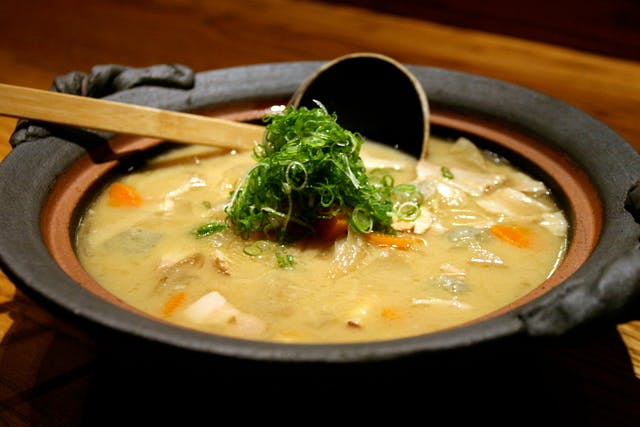
Pork Miso Soup
Experience an amazing meal based on classic makanai, or staff meal, cooking at EN Japanese Brasserie with a recipe for traditional pork miso soup, also known as butajiru. This humble but hearty miso soup is perfect for winter and can be customized with various ingredients. Learn how to make this flexible Japanese dish and get a glimpse of the event and the food through shared pictures.
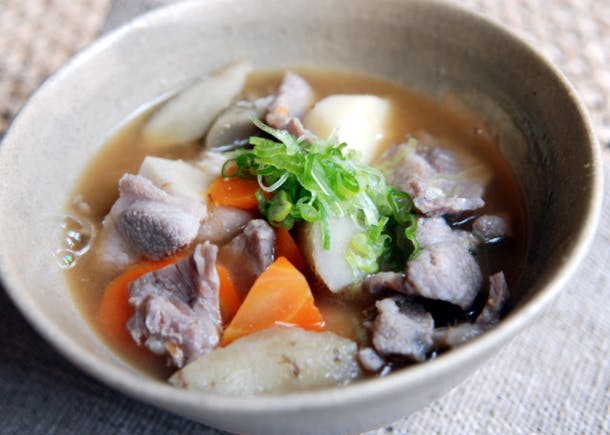
The Miso Soup Project, Part 1 (54 Miso Soups)
Learn about the Miso Soup Project, which explores regional variations of the Japanese staple food, miso soup. This article includes a comprehensive list of main ingredient and miso combinations, along with helpful definitions for different types of miso.
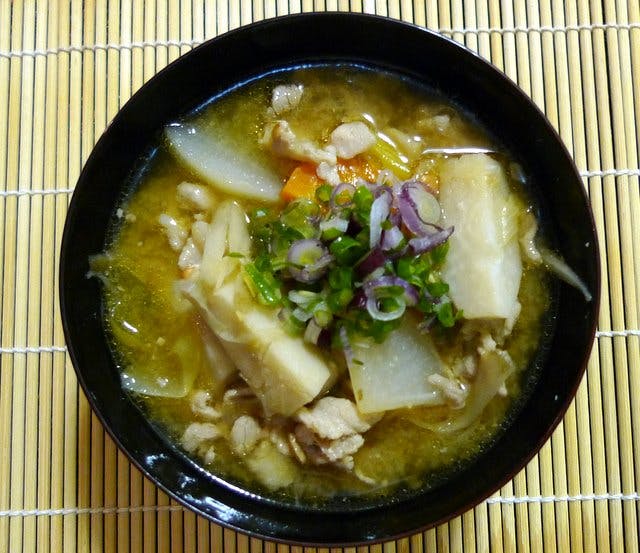
Ton Jiru: Classic Winter Miso Soup
Tadasuke Tomita is the force behind Shiro Gohan, a Japanese-language website with a collection of traditional Japanese food recipes. This article shares Tomita-san's Ton Jiru recipe, a hearty miso soup with pork and root vegetables, along with tips and variations for this Japanese cooking winter classic. Read on to learn how to prepare this delicious and flavorful Ton Jiru soup at home!
Rice
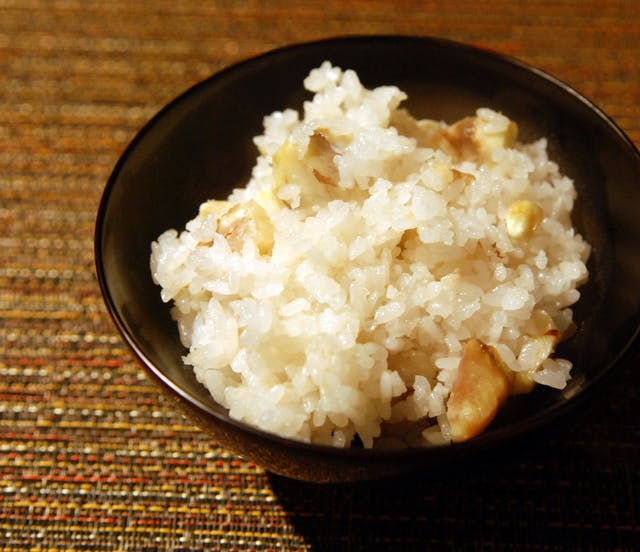
Chestnut Rice
Try this delicious recipe for kuri gohan (chestnut rice), a Japanese dish made with Japanese short grain rice, sticky rice, sake, and a touch of salt. The recipe brings out the natural sweetness of chestnuts while creating a delightful texture. Learn how to prepare this flavorful and seasonally inspired dish at home.
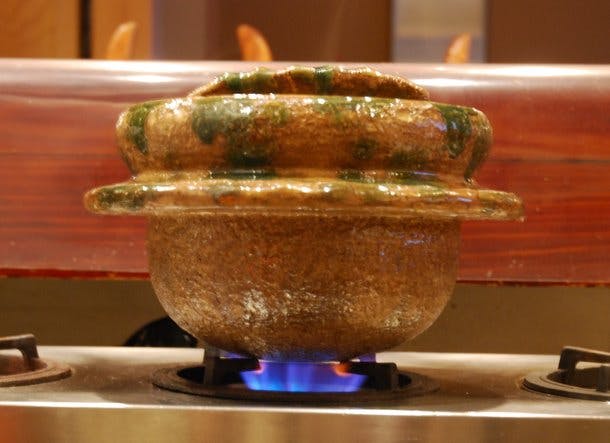
Cooking Rice in a Donabe
To the eminent Kyoto chef Nakahigashi-san, the preparation of a bowl of rice the traditional way is the embodiment of Japanese cuisine. In this article, he explains his process of preparing rice in a traditional donabe, sharing his expertise and techniques, as well as discussing the significance of rice in Japanese gastronomy.
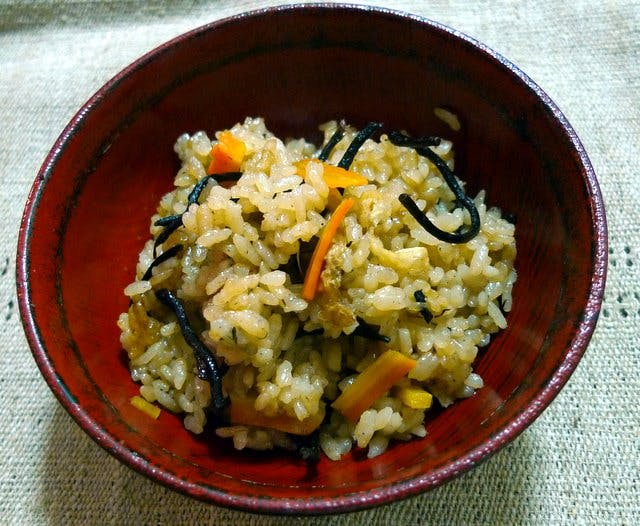
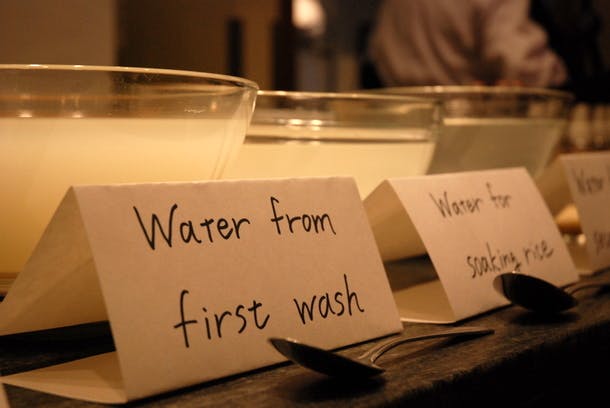
how to cook rice, or the essence of japanese cuisine
Preparing rice the traditional Japanese way is a reflection of _ajiwai_, the essence of Japanese cuisine. This article outlines the detailed steps and techniques provided by master chef Yoshio Maruyama for making perfect Japanese rice, including the special equipment, washing and soaking, polishing, resting, and cooking processes.
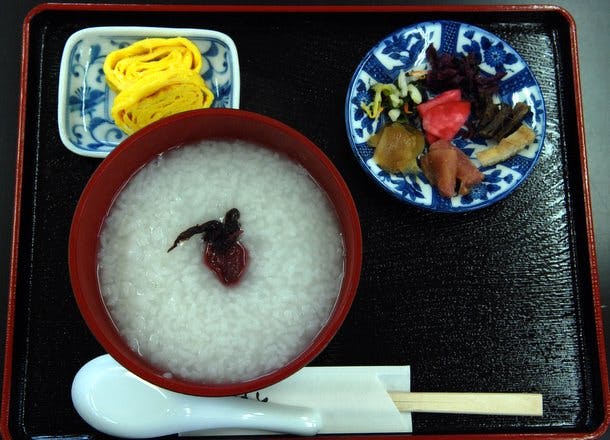
How To Eat Rice Porridge (And Cook It, Too)
Join Chef Hisao Nakahigashi on a morning foraging trip in the valleys and mountains north of Kyoto, where he collects wild greens and vegetables from family farmers. Discover the secrets of making and enjoying rice porridge, known as okayu, along with its health benefits. Experience the beautiful rural corner of Japan and its wonderful produce at the michi no eki in Ohara. Learn about the traditional mackerel road, Route 477, and how a farmer uses ducks to naturally rid his rice fields of insects without pesticides.
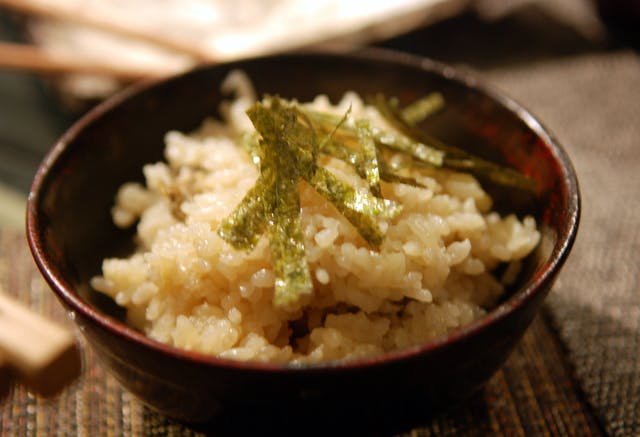
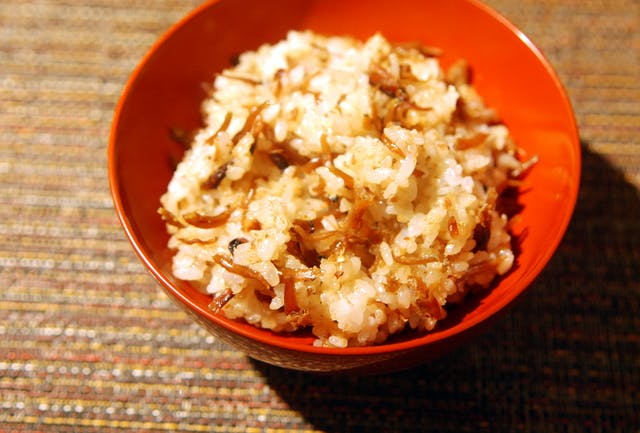
Kurama Mixed Rice
Learn how to make an incredible rice dish mixed with soy sauce-infused chirimen jako and sansho, a relative of Sichuan peppercorn. This traditional Japanese recipe uses chirimen jako, dashi, sake, mirin, sugar, soy sauce, tamari, and sansho to create a sweet/savory flavor with balanced aromatics. Discover how to rehydrate chirimen jako, simmer it with the flavorings, and mix it with hot rice for a fantastic meal.
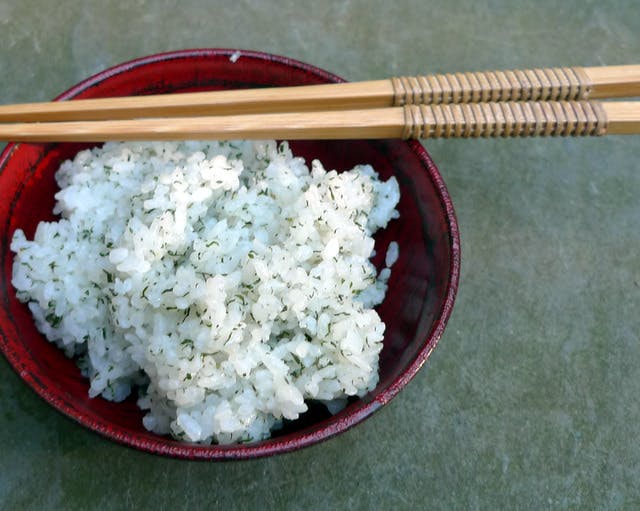

Video: Atsushi's Way to Wash Rice Perfectly
Learn about the traditional Japanese breakfast and the essential method of washing and preparing rice for cooking. Join chef Atsushi Nakahigashi at Kajitsu restaurant and discover the fascinating techniques of Japanese cooking. Watch the video to see Atsushi's approach to washing rice, a crucial step in making a perfect Japanese breakfast.
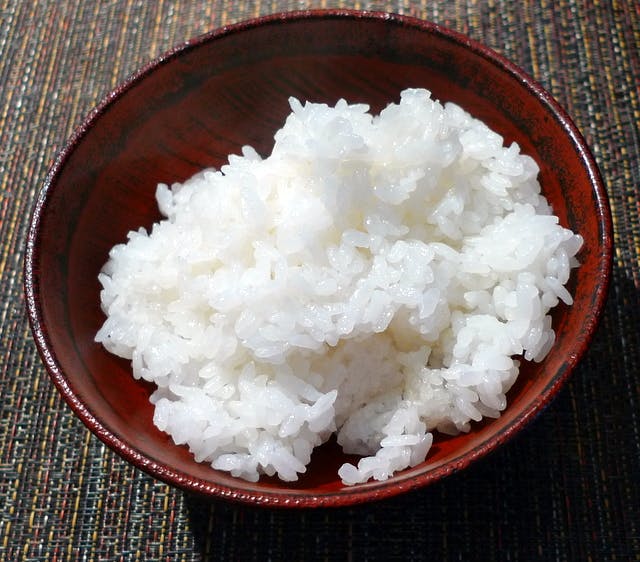
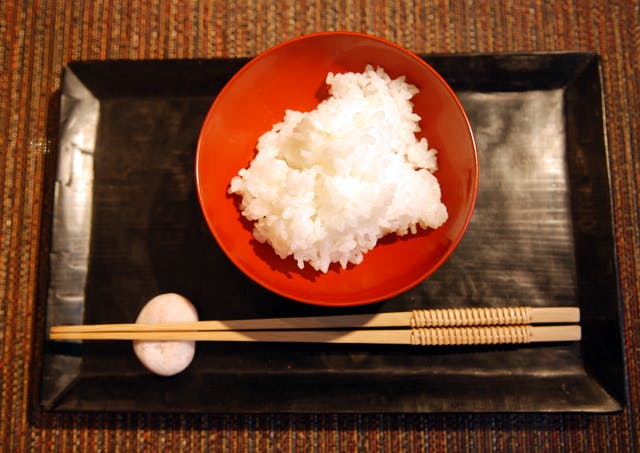
Washing Rice
Witness the intricate art of washing rice as a talented young Japanese chef delicately prepares this fundamental ingredient of Japanese cuisine. Discover the subtle and deep techniques used in the delicate process, offering a profound window into the rich food culture and culinary expertise of Japan.
Noodles
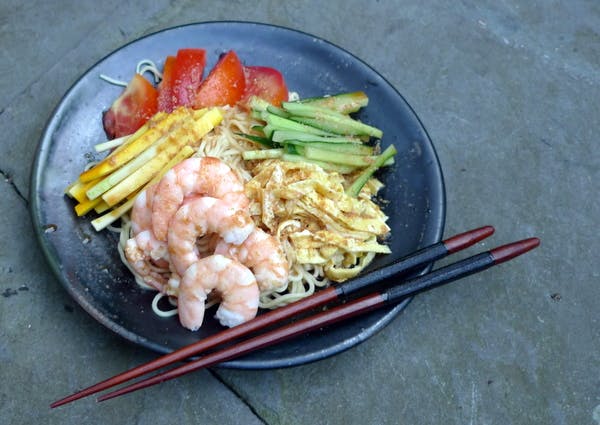
Cold Summer Ramen Noodles
Discover the refreshing and tangy hiyashi chukka recipe, featuring cold ramen noodles topped with a flavorful sesame vinaigrette. This traditional Japanese dish is perfect for summer, and offers flexibility with a variety of farm-fresh toppings. Learn how to create this homestyle favorite and explore the authentic flavors of Japan.
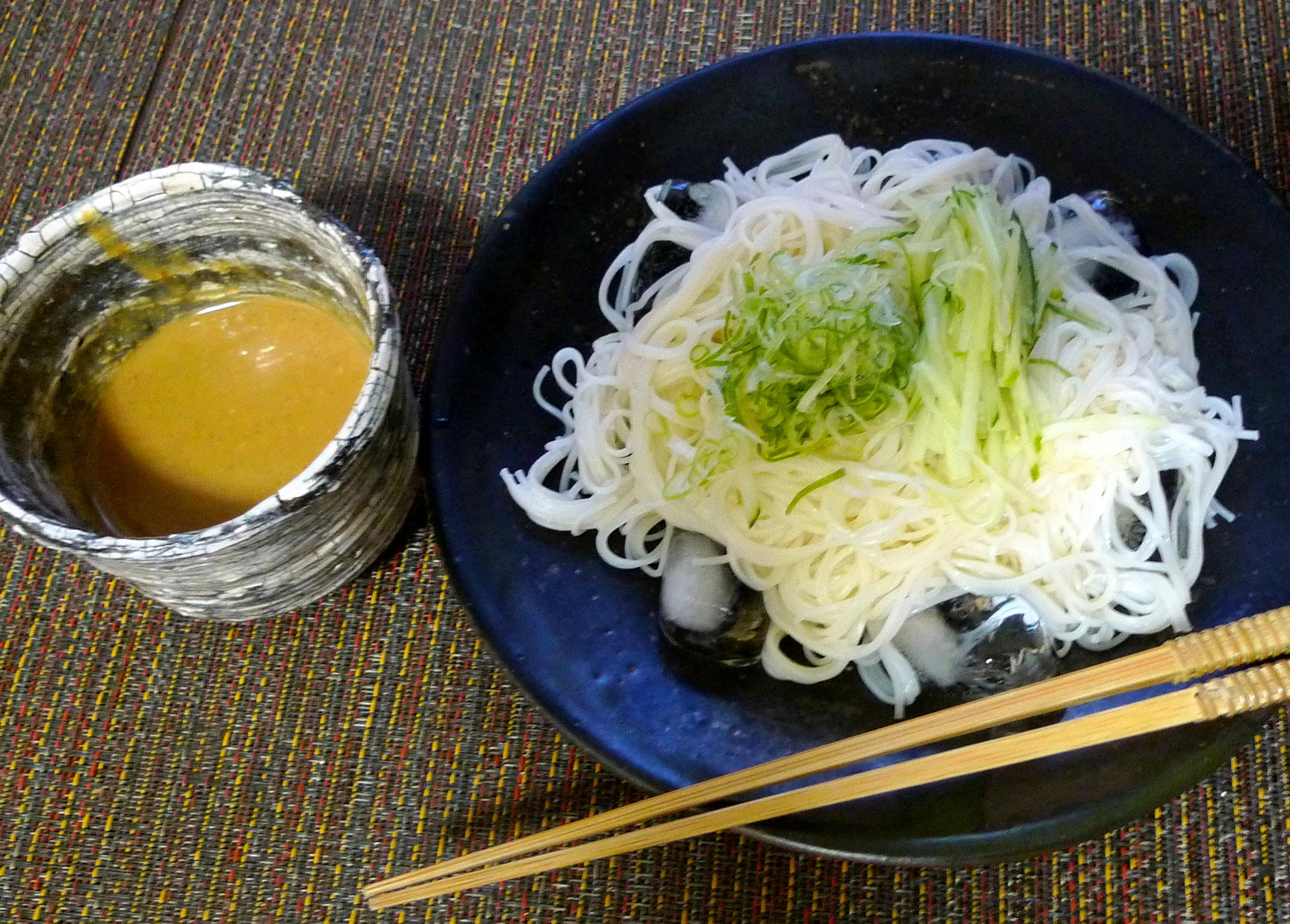
Cold Summer Somen with Sesame-Miso Dipping Sauce
Enjoy a refreshing summer dish with this recipe for somen noodles and sesame-miso dipping sauce. Learn how to make the traditional Japanese dipping sauce using a suribachi mortar and pestle. This light and vegetarian meal pairs perfectly with needle-cut cucumber and scallions. Try this delicious and easy-to-prepare Japanese fare perfect for hot weather.
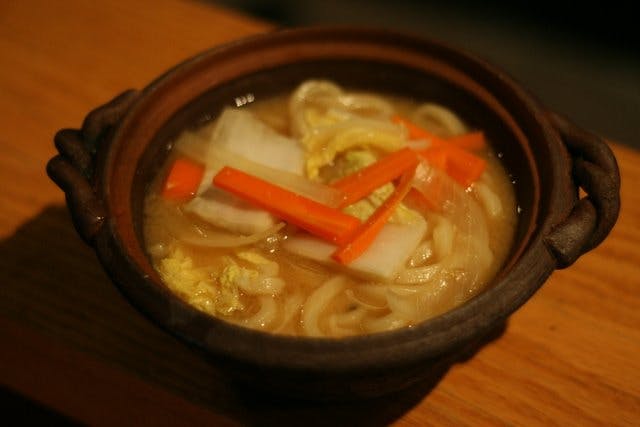
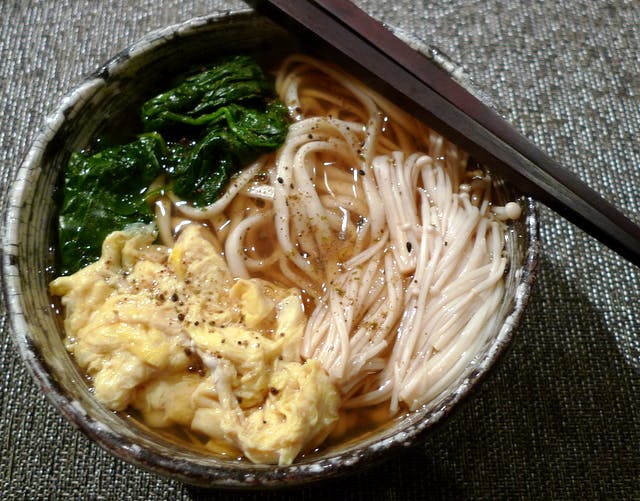
Udon for the New Family
Learn how to make a delicious and comforting udon dish with spinach, eggs, and enoki mushrooms using staple Japanese ingredients. Follow the steps to prepare homemade udon broth and assemble this fast and fantastic dinner. Perfect for those looking for a quick meal with easy cleanup!
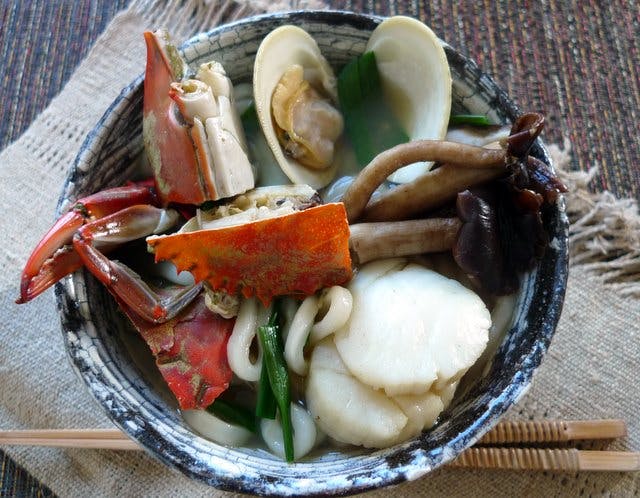
Udon Seafood Hot Pot
Experience the spontaneity of Japanese cooking with this hot pot recipe using live soft-shelled crabs, clams, scallops, and udon noodles. This dish, prepared by Nobuko, showcases the forgiving nature of hot pot cooking and the unique flavors of Japanese cuisine. Try it out and trust your taste buds along the way!
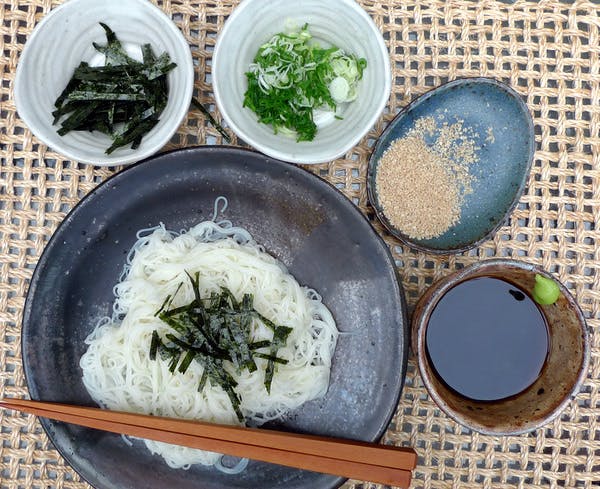
Summer Somen!
Yukari Sakamoto, a renowned Japanese chef, educator, and food journalist, has authored an informative guidebook 'Food Sake Tokyo' with in-depth details on the city's culinary scene, perfect for food enthusiasts visiting Tokyo. This article also includes Yukari's recipe for Summer somen noodles with a quick homemade dipping sauce (tsuyu) rich in umami flavors.
Vegetables
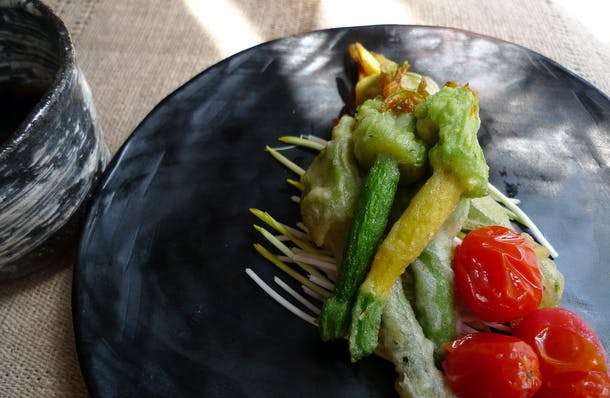
Atsushi's Stuffed Zucchini Blossom Tempura
Learn how Atsushi Nakahigashi, a talented young chef, created a Japanese dish with local produce from Union Square farmers market in New York. The mouthwatering inspiration of zucchini blossoms stuffed with fresh zucchini puree and cooked as tempura is thoroughly explained in this Japanese recipe.
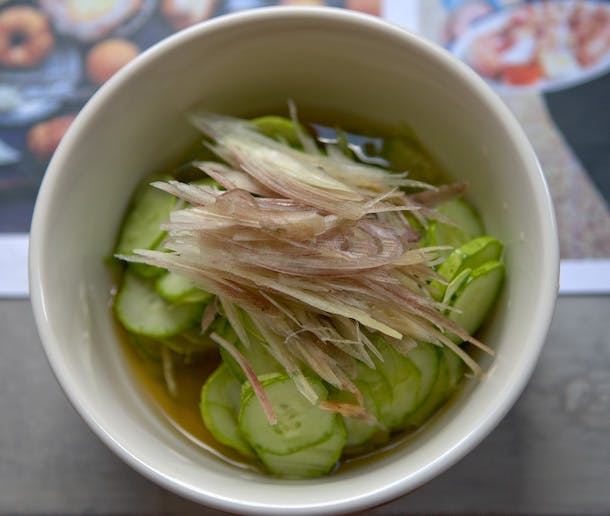
Dashi-infused Japanese Cucumbers
Learn how Atsushi demonstrated a fundamental notion of Japanese cooking with a simple dish of Japanese cucumbers soaked in konbu-katsuobushi dashi and garnished with myoga. Discover the reliance on dashi to express flavor and umami in Japanese cooking, and the cultural innovation driven by a millennium-long prohibition against eating meat in Japan.
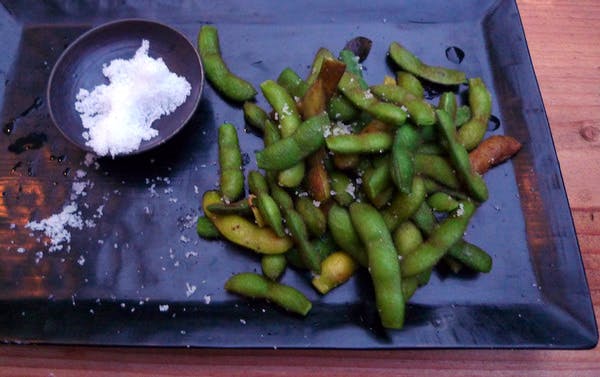
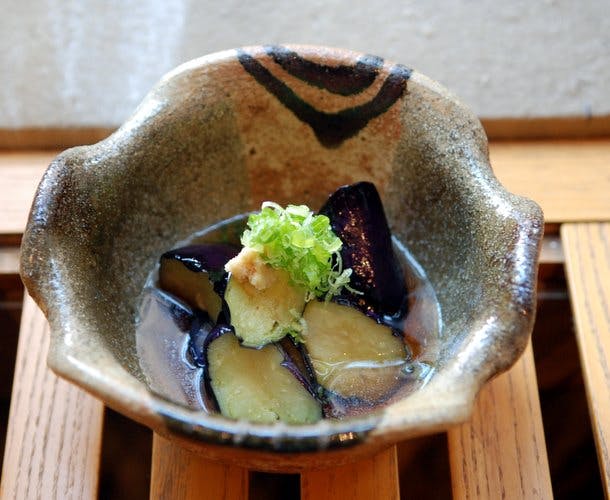
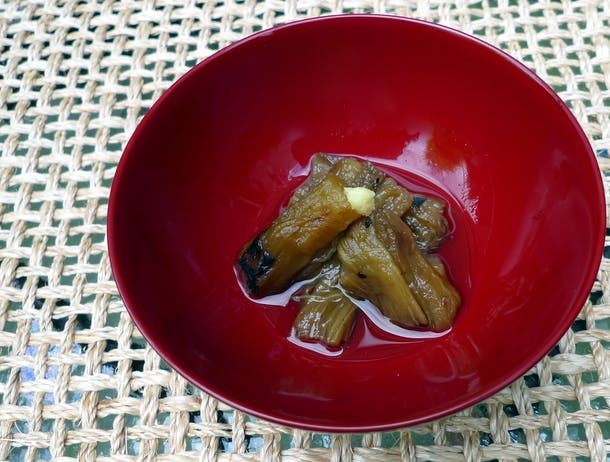
Fried Eggplant Served with Dashi
Learn how to make a delicious Japanese dish inspired by obanzai and enriched with umami flavor. This recipe teaches you how to prepare Japanese eggplant steeped in soba tsuyu, a richly flavored dashi, and garnished with grated ginger and scallions. The article also provides insights into Japanese cooking techniques and the use of quality ingredients.
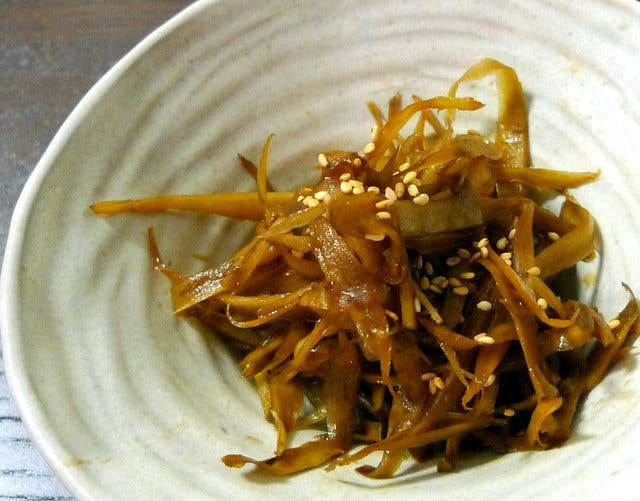
Gobo Kinpira: Sweet-Savory Sauteed Burdock Root
Experience the delightful combination of tsumami, savory finger-snacks, and drinks in Japan. This recipe for kinpira features gobo (burdock root) sautéed with soy sauce, sugar, sake, and sesame oil, creating a sweet-savory flavor. Perfect as a bar snack or side dish!
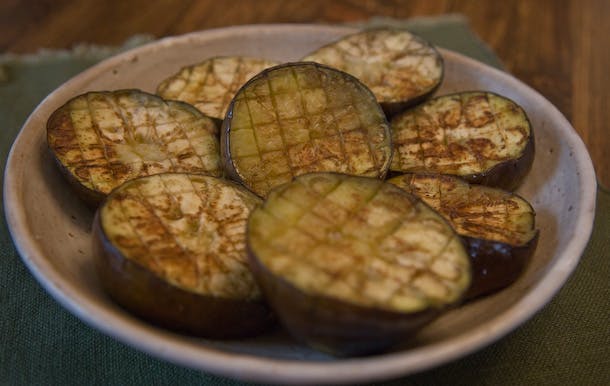
Grilled Kyoto-style Eggplant
Discover the exquisite taste of kamo nasu, a Kyoto variety of eggplant, prepared simply by Atsushi and Chef Ono. Learn about the unique texture and flavor of kamo nasu and how to grill them to perfection, enhancing their creaminess and delicacy. Try this delightful dish and share your experience in the comments.
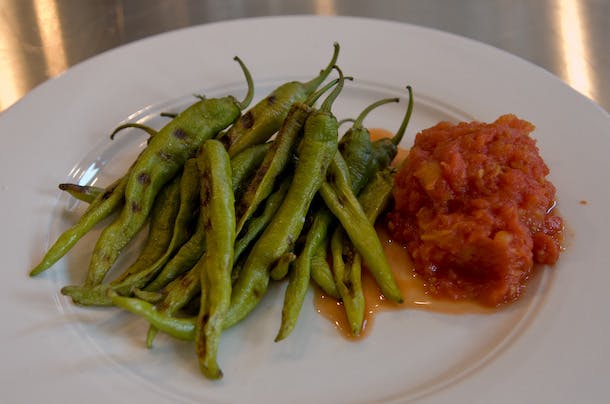
Grilled Kyoto-style Peppers with Tomato Puree
Discover the unique offerings at the Union Square farmers market, including lovingly grown Asian vegetables by Korean farmer Yuno. Atsushi shares a delightful recipe using fushimi togarashi peppers and heirloom Kyoto peppers, paired with a homemade tomato puree. Learn more about this Japanese culinary experience and share your thoughts in the comments!
Grilling Videos: Steak, Scallops, Chicken and Veggies
Learn how to make amazing steaks, scallops, chicken, and veggies using marinades and rubs with garlic-soy sauce, miso, yuzu kosho, sansho, and more in these instructional videos. Fire up the Weber and start grilling right away with the tips from Tadashi and the Japan Society presentation!
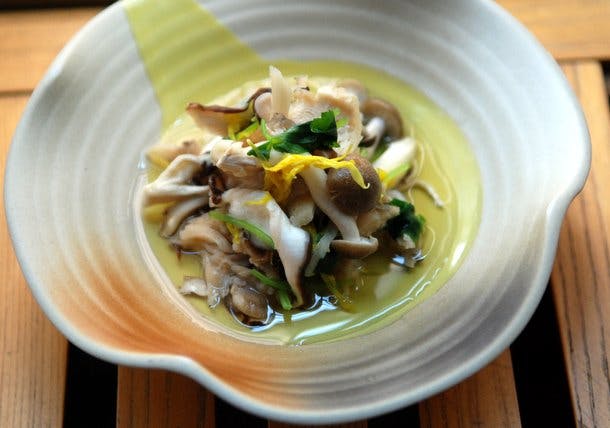
Japanese Mushroom Ohitashi
Chef Honma of En Japanese Brasserie features a dish on his seasonal obanzai menu that evokes the traditional home cooking of Kyoto. This simple dish infuses a trio of cultivated mushrooms with complex flavor and a nice umami kick from the dashi. The recipe includes step-by-step instructions on preparing the dish using maitake, shiitake, and shimeji mushrooms, along with Japanese seasonings and herbs for a delightful presentation.
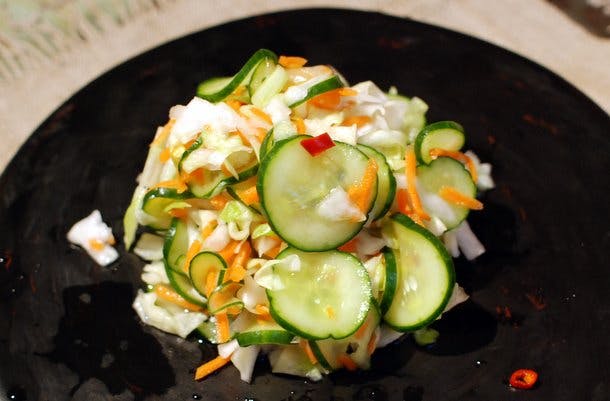
Japanese Quick Pickles
Discover the art of Japanese pickles with unique recipes and flavorful ingredients. Learn how to prepare Mrs. Torimitsu's popular Asazuke, a quick pickle recipe using Japanese cucumber, cabbage, and carrot, seasoned with soy sauce and optional seasonings like minced ginger and myoga.
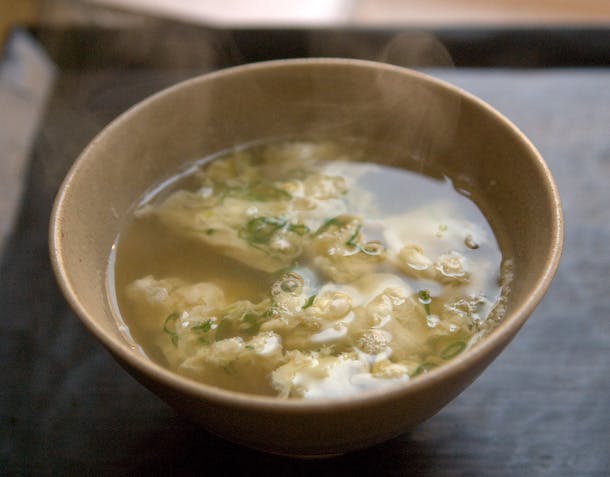
Konbu Dashi Soup with Egg and Scallion
Experience the power of konbu in this simple and tasty Japanese soup recipe prepared by Atsushi. Infusing water with umami, the konbu serves as a flavorful foundation for the dish, which also includes beaten eggs, sliced scallions, mirin, and usukuchi soy sauce. Follow the technique and tips to create a delicious and flavorful soup for a quick and satisfying meal.
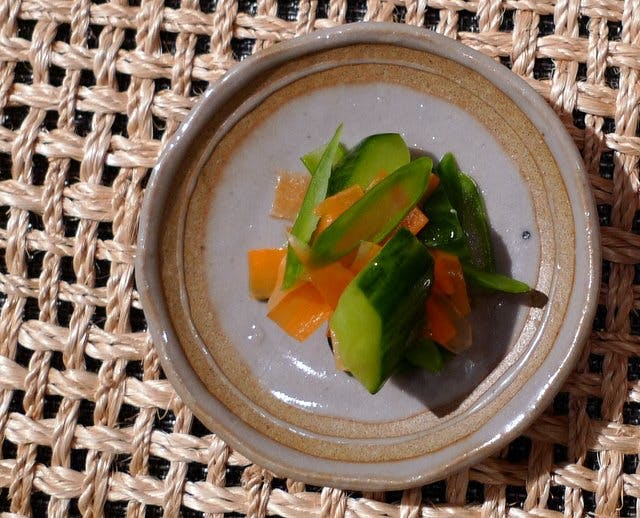
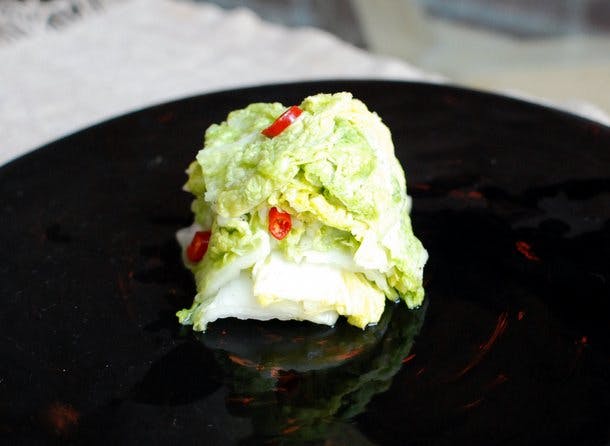
Lightly Cured Pickles (Tsukemono)
Learn how to make lightly cured Japanese pickles with this traditional recipe from Atsushi Nakahigashi's class. This pickling method preserves the true character of vegetables and is great with a variety of ingredients. Try it with radish, turnips, daikon, cabbage, carrot, broccoli stems, or Japanese cucumber.
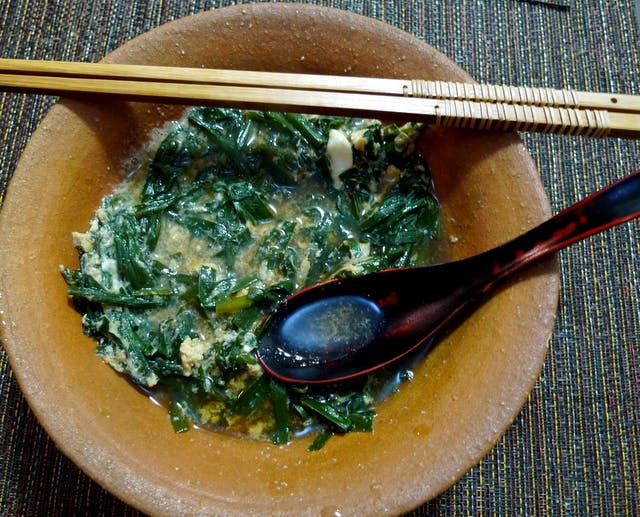
Nira Tamago, or Simmered Garlic Chives with Eggs
Enjoy a delicious Japanese dinner at home with grilled shiosaba, nira tamago, and steamed rice. Learn how to cook the nira tamago, a versatile side dish made with garlic chives and eggs. Also, discover a new mega-Asian market in Flushing, Queens, called Sky Foods.
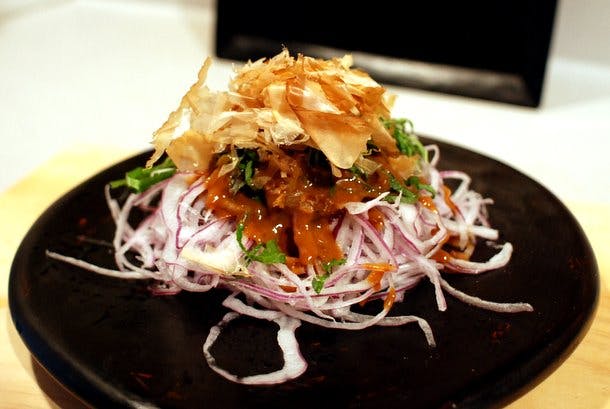
Onion Salad with Miso Dressing
Learn how to make a delicious Japanese-style onion salad, aemono, featuring red miso dressing, vinegar, sugar, and garlic. This small plate dish is perfect with sake at the beginning of a meal. Try variations such as different types of miso for the dressing. Includes helpful tips for preparing the onions and julienned shiso. Check out this article for more about aemono and Japanese cooking.
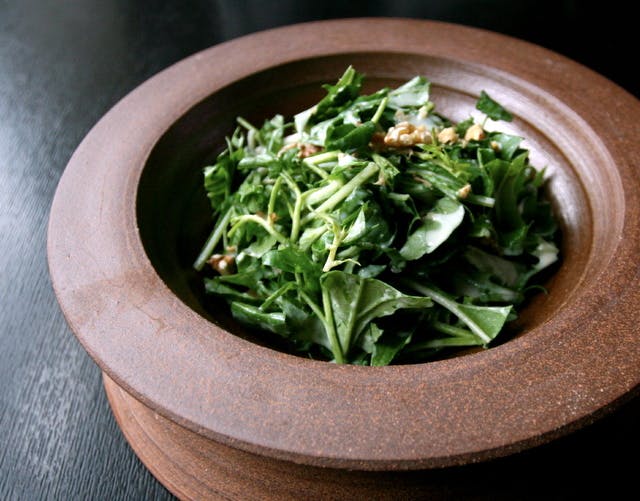
Soy Milk Dressing for Greens
Learn how to make a delicious contemporary Japanese house salad from the En Japanese Brasserie in New York City. This salad features mizuna leaves, walnuts, and yuba, with an irresistible dressing made of soy milk, classic caesar salad dressing, Japanese sesame paste, and honey, adding layers of complexity and Japanese sensibility to the dish.
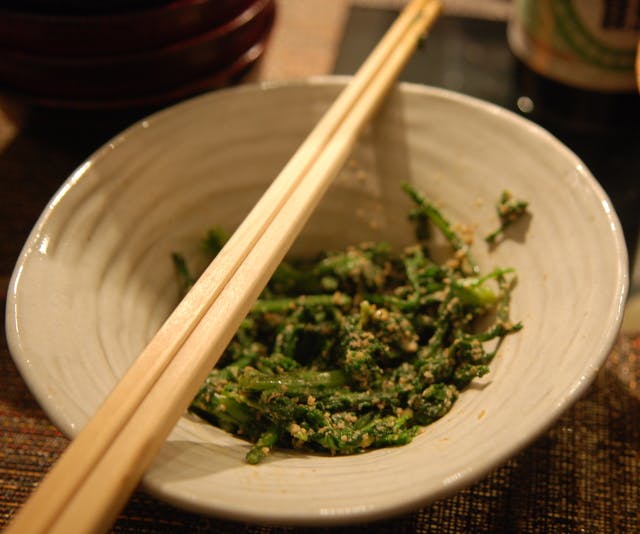
Shungiku with sesame dressing
Learn how to prepare a delicious and simple Japanese dish using shungiku, or chrysanthemum leaves, by blanching and mixing them with a savory-sweet paste made of ground sesame seeds, sugar, and soy sauce. This versatile ingredient is a key element in Japanese cooking.
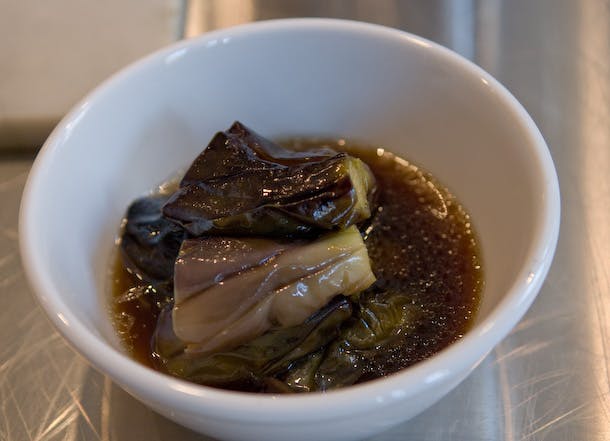
Simmered Japanese Eggplants
Atsushi demonstrates his Japanese cooking skills at Saveur's test kitchen in New York, preparing a delicious lunch for the editorial staff. The highlight of the menu is a crowd-pleasing dish of simmered Japanese eggplant, infused with flavors of dashi, mirin, and soy sauce. Follow the provided recipe for a taste of delicate, tender eggplant with umami and sweet-salty flavors.
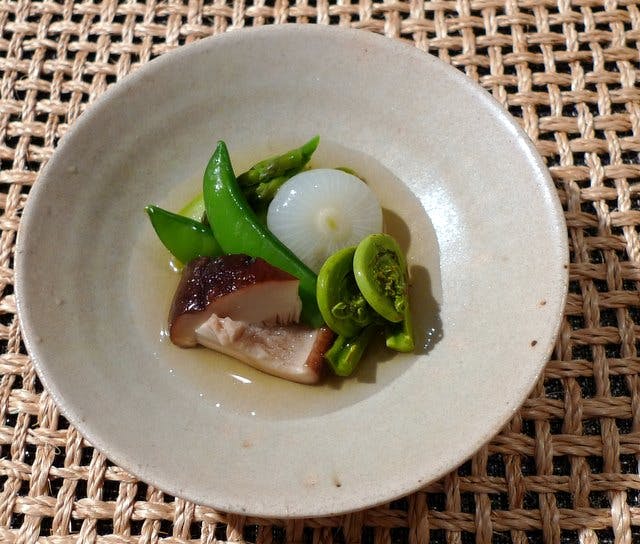
Spring Vegetables Steeped in Dashi (Ohitashi)
Learn the simple and magical Japanese cooking technique of ohitashi for steeping vegetables in delicate dashi to infuse them with umami and lovely flavor. Find the method for creating this versatile dish as shared by Atsushi Nakahigashi, and discover delicious variations using a range of vegetables such as green beans, spinach, shishito peppers, and mushrooms.
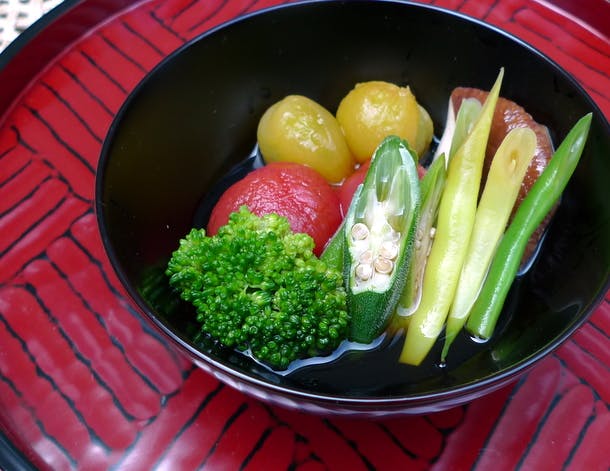
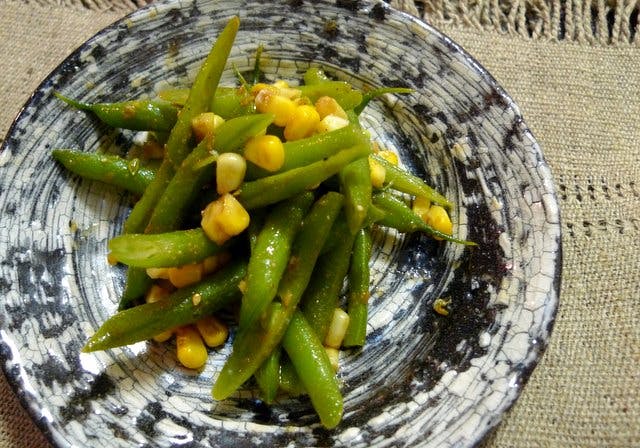
The Power of Goma-ae, or Sesame Dressing
Explore the simplicity and precision of Japanese cuisine with a dish featuring corn and blanched green beans dressed with goma-ae (sesame dressing). Learn how the toasting and grinding of sesame seeds can create entirely different flavors and fragrances, and discover the delicate and rustic tableware showcased in the cookbook 'Gentle Vegetables, Gentle Tableware.'
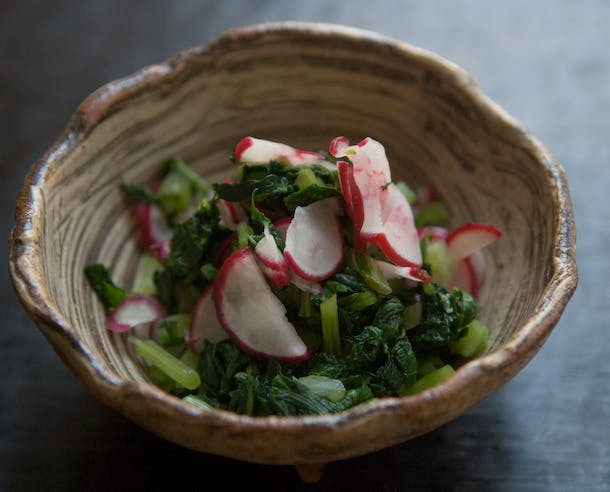
Three Leaf and Radish Pickles
Learn how Atsushi demonstrates the traditional Japanese philosophy of 'mottainai' by preparing tsukemono, pickled vegetables, from often discarded turnip, daikon, and radish leaves. This article provides the recipe and technique for making these delicious pickles at home using sea salt and simple ingredients.
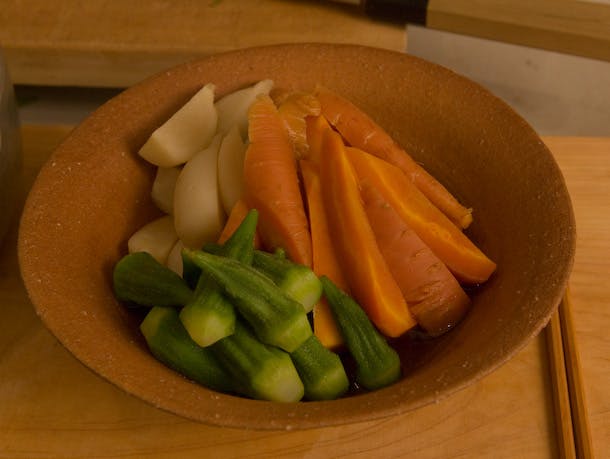
Turnips, Carrots and Okra Simmered in Dashi
Experience the flavors of fresh okra, carrots, and Japanese turnips simmered in dashi with a touch of usukuchi shoyu in this natural and delightful Japanese vegetable dish. Read about Atsushi's approach to preserving the natural flavors of vegetables and how to prepare this beautifully plated, delicate, and flavorful dish.
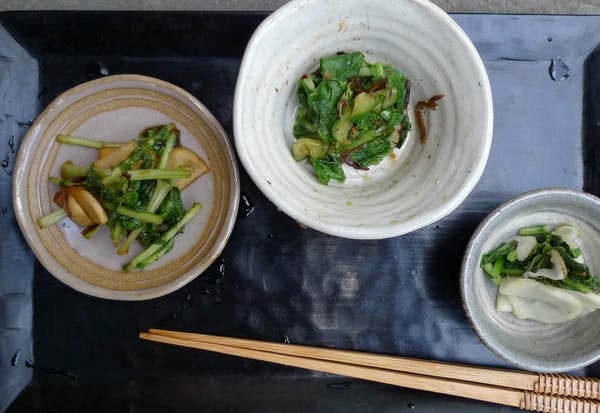
Turnips (Lightly) Pickled Three Ways
In Japanese cooking, kabu (Japanese turnips) are used in dishes like kabu miso soup and three different kabu pickles recipes, including Yuzu Kosho Lemon Kabu Pickles, Shio Kombu Kabu Pickles, and Shio Kombu-Shoyu-Mirin Kabu Pickles. These recipes make great use of the leaves and roots and are characterized by their umami flavor achieved through various Japanese ingredients.
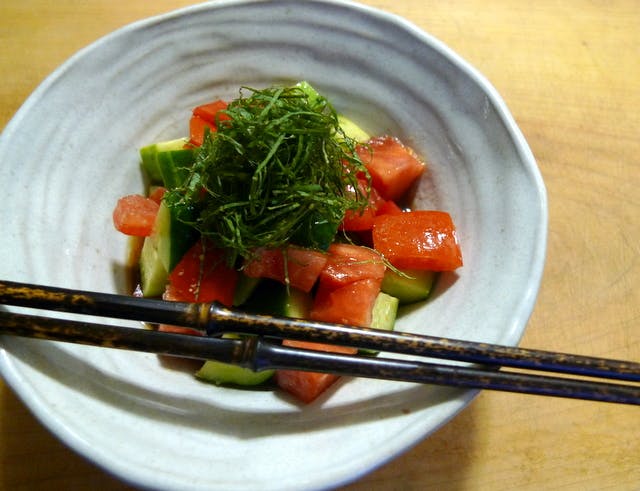
Wafu Dressing
Learn how to make a simple and aromatic Japanese-style salad dressing, known as 'Wafu' dressing, perfect for leafy greens and raw veggies. This flavorful dressing combines Japanese rice vinegar, soy sauce, sugar, sesame oil, vegetable oil, and ground sesame seeds, with options to add karashi mustard, garlic, or grated ginger. Keep this versatile dressing handy in the fridge for a quick and delicious addition to your salads.
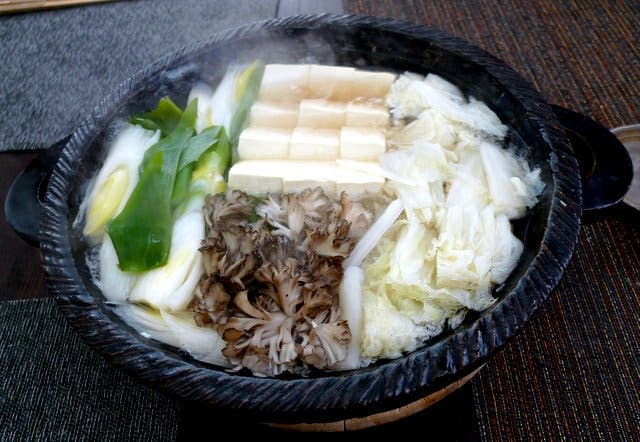
Yudofu Tofu Hot Pot & Ponzu Two Ways
Discover the versatility of ponzu, a citrus-based dipping sauce with or without vinegar, made with yuzu juice in different variations. Learn a yudofu recipe to enjoy with ponzu and explore the refreshing world of Japanese citrus and shochu cocktails. Share your favorite ponzu recipe in the comments!
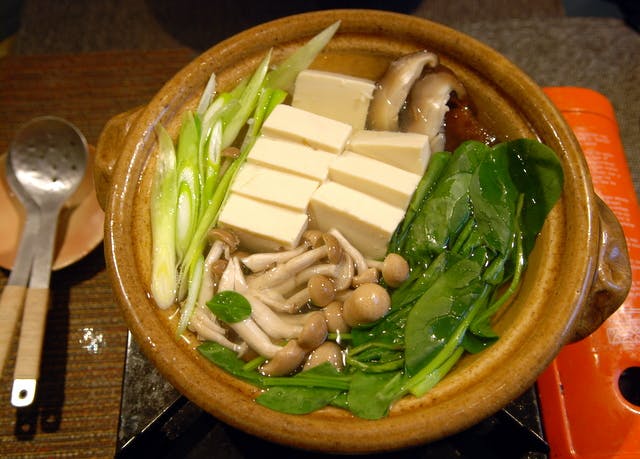
Yudofu: Tofu hot pot
Learn how to prepare Yudofu, a simple and delicious Japanese winter dish made with tofu simmered in hot water with vegetables and condiments like ponzu and yuzu kosho. This quick and easy recipe is perfect for a healthy and satisfying lunch, especially during snowy days.
Fish and Seafood
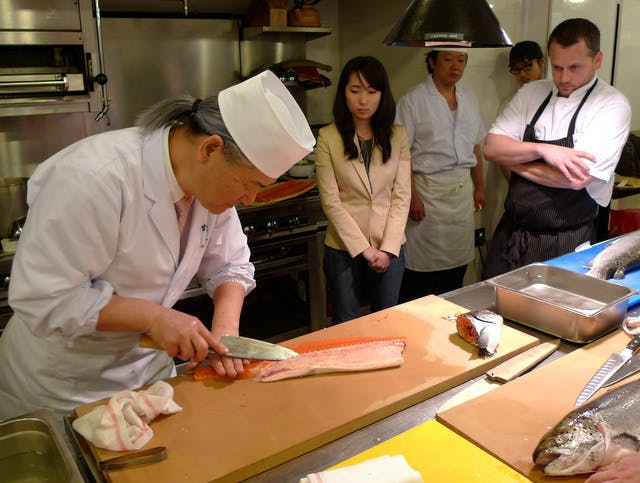
All About Salmon
Join the latest session of Mastering Fish the Japanese Way, a seminar sponsored by the Gohan Society and led by Chef Toshio Suzuki. Learn about salmon preparation techniques, traditional marinades like yuan yaki and miso zuke, and the importance of freezing salmon for raw consumption. Explore the process of breaking down a fish using the sanmai oroshi technique and discover the delicious potential of salmon parts like the head, skin, and gills.
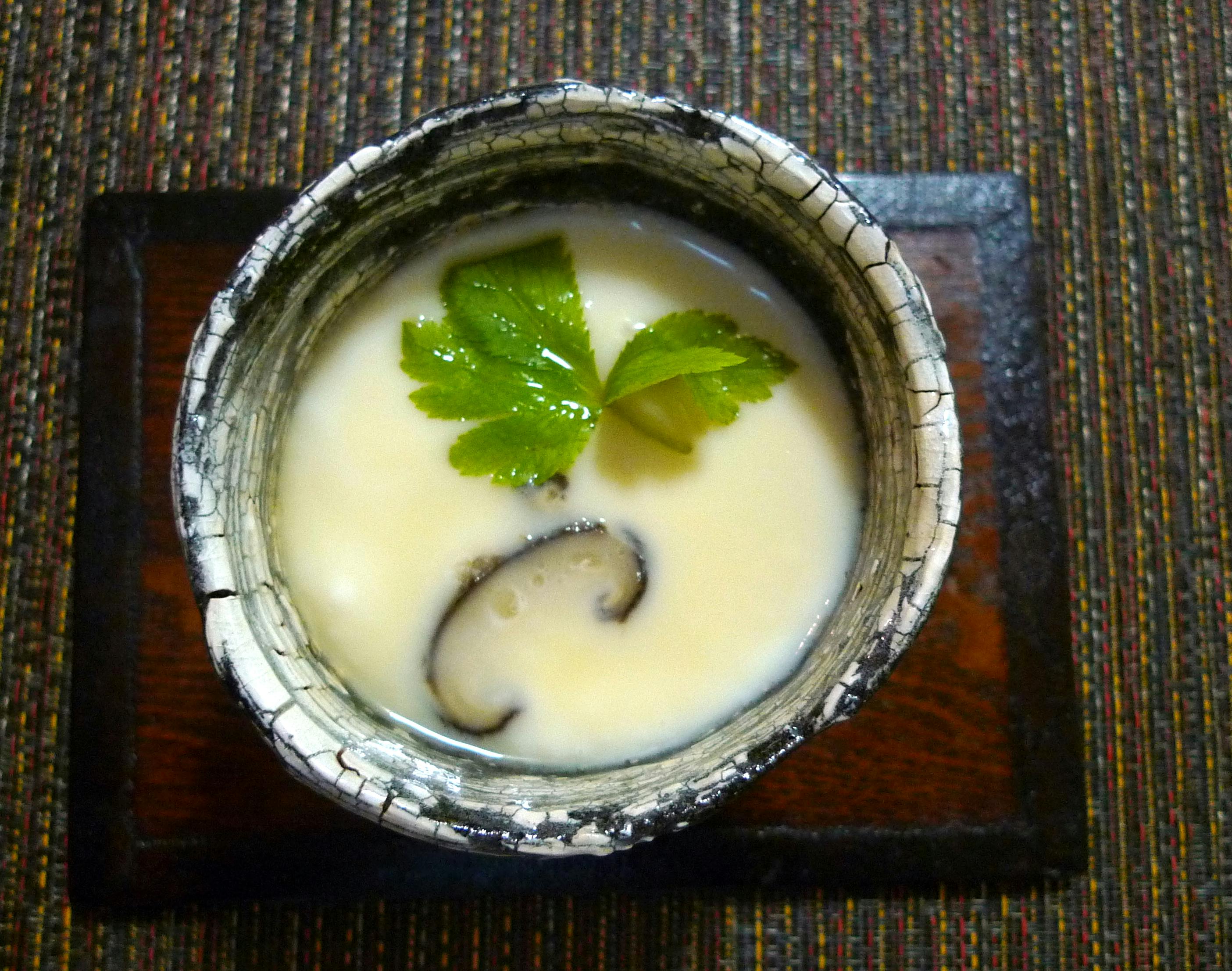
Chawanmushi or Savory Egg Custard
Learn how to make chawan mushi, a traditional Japanese steamed savory custard dish made from eggs, dashi, and soy sauce, with chicken, shrimp, and dried shiitake mushrooms. This easy home recipe ensures a perfectly smooth custard served in small heatproof vessels, garnished with mitsuba if desired.
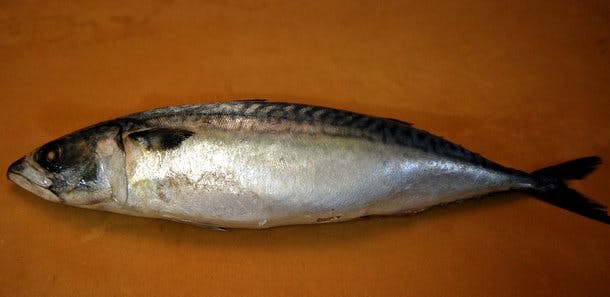
Chef Suzuki's Cured Mackerel
Chef Toshio Suzuki introduces Japanese vinegar and its uses, with a focus on mackerel preparation at the James Beard Foundation master class in New York. Learn about the various vinegar treatments discussed and the traditional pairing combinations. Discover Chef Suzuki's approach to preparing mackerel, including the two-step curing process and a flavorful condiment called mizore zu. Find out how the vinegared daikon oroshi beautifully complements the delicate and subtle flavor of the mackerel.
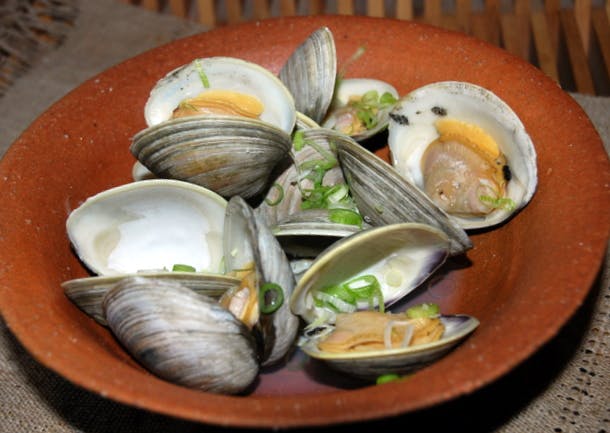
Sakamushi: Clams, Japanese style
Learn how to make authentic Sakamushi, a traditional Japanese dish of steamed clams in sake, with this simple recipe. Discover the chef's tips for resting the clams and enhancing their natural flavors. Find variations to customize the dish to your taste. Perfect for seafood lovers and those interested in Japanese cuisine.
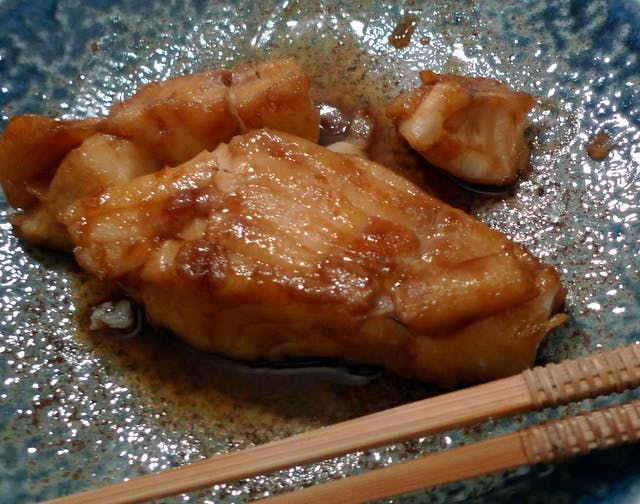
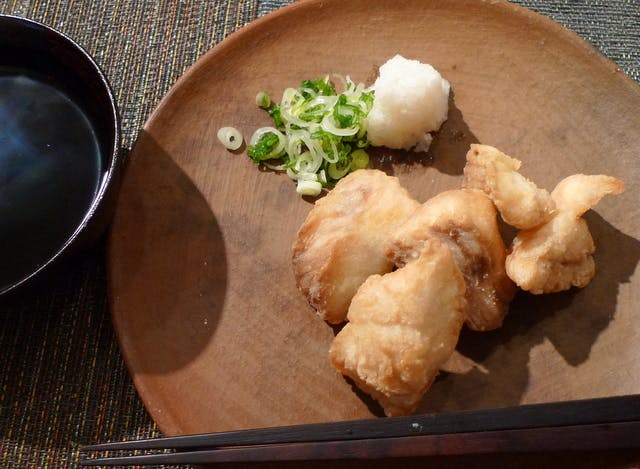
Flounder Kara-age
Learn how to make kara-age, a Japanese deep-frying technique that seals in the natural flavors of ingredients like flounder, tofu, and chicken. Pair your kara-age dish with a simple dipping sauce, grated daikon, and sliced scallions for a delicious and authentic Japanese meal.
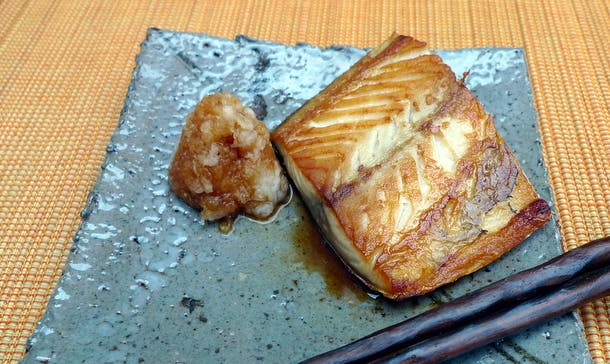
Grilling Videos: Steak, Scallops, Chicken and Veggies
Learn how to make amazing steaks, scallops, chicken, and veggies using marinades and rubs with garlic-soy sauce, miso, yuzu kosho, sansho, and more in these instructional videos. Fire up the Weber and start grilling right away with the tips from Tadashi and the Japan Society presentation!
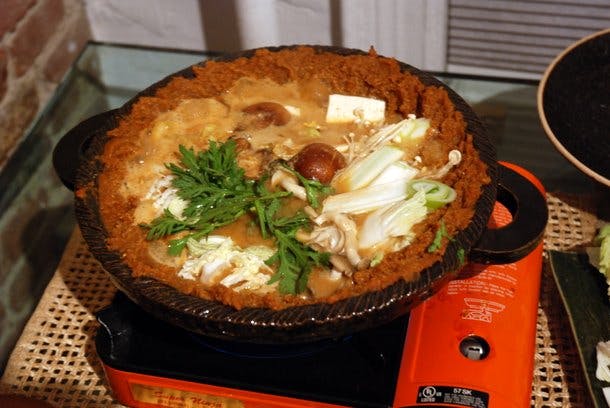
hiroshima-style oyster nabe
Experience the essence of Japanese home cooking with Nabe, a versatile and comforting hotpot that is perfect for the autumn and winter seasons. Learn about Hiroshima's traditional 'Dote' nabe, featuring oysters, and explore the authentic recipe, ingredients, and the heartwarming process of preparing this beloved dish at home.
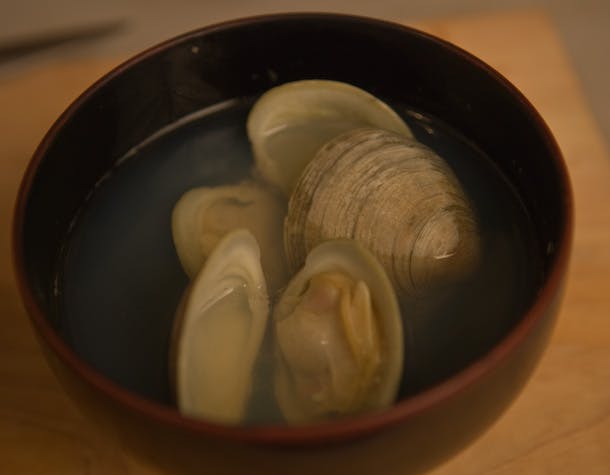
Konbu Dashi Soup with Clams
Experience the sublime natural flavors of Nakahigashi Restaurant's clam soup, a simple dish with just three ingredients: clams, water, and umami-rich konbu. Atsushi's cooking technique brings out the savoriness of konbu and the beautiful brininess of the clams, resulting in a delicious and minimalist Japanese cuisine experience. Try it and share your feedback!
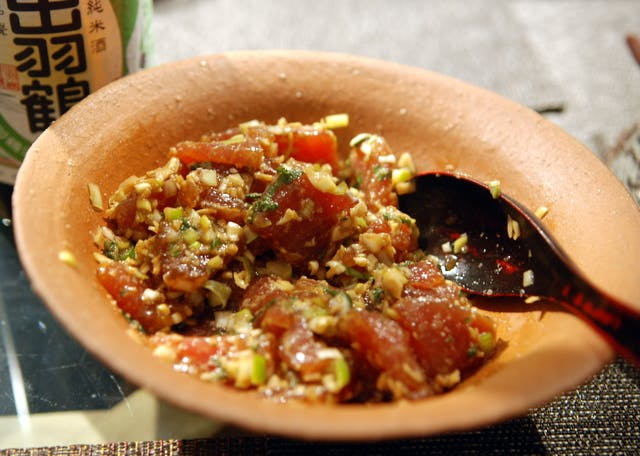
Magurozuke: Marinated Tuna
Learn about Nobuko's unique approach to making magurozuke, a marinated tuna dish, by combining garlic, ginger, negi (scallions), shiso leaves, ground sesame, and soy sauce with sushi-grade raw yellow fin tuna. This delicious dish is perfect over rice and can also be enhanced with a touch of rice vinegar.
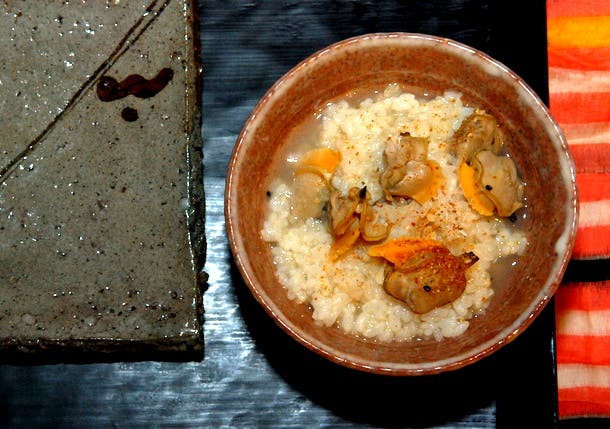
Miso Clams Over Rice, From "Dashi and Umami"
Learn about Japanese cuisine, dashi, umami, and cooking methods in this insightful article. It covers information on kombu, katsuobushi, and Fukagawa Meshi, a recipe for Fukagawa-style miso clams over rice, extracted from a comprehensive Japanese food book. The piece evokes the philosophy of Japanese cooking and emphasizes simplicity with only four ingredients.

Original Teriyaki
Learn how to make and cook with an authentic teriyaki sauce to prepare delicious chicken, fish, or beef dishes. This article provides a detailed teriyaki sauce recipe and tips for cooking teriyaki using various ingredients, including swordfish, artichoke hearts, and more.
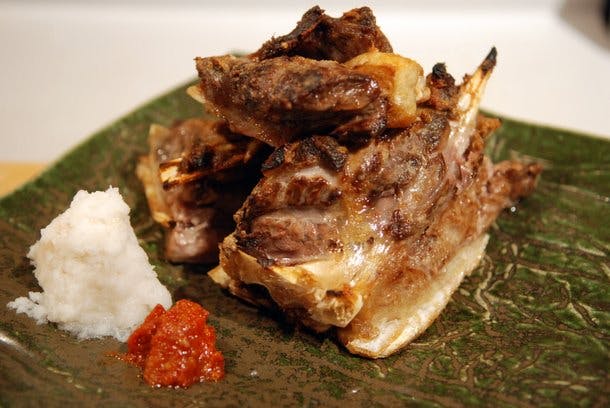
Roasted Tuna Collar
Discover the exceptional flavors of tuna collar and learn how to prepare and cook this unique piece of fish. Find out why developing a relationship with your local fishmonger is the key to getting your hands on this delightful cut of fish for a delicious culinary experience.
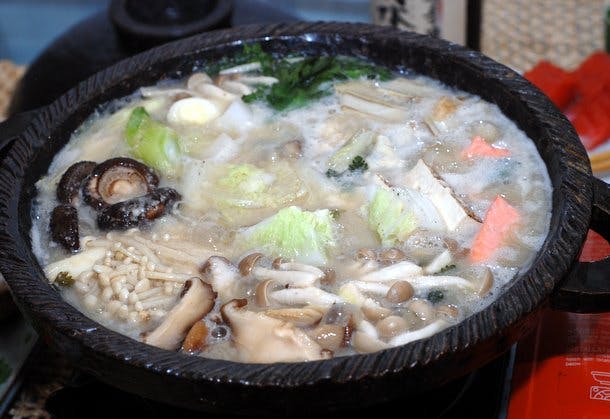
salmon hotpot
Discover the traditional Ishikari Nabe hotpot recipe from Hokkaido, Japan honoring the Ishikari River, along with a contemporary twist. This article shares the ingredients used, cooking process, and the cultural significance of this delicious and versatile Japanese hotpot.
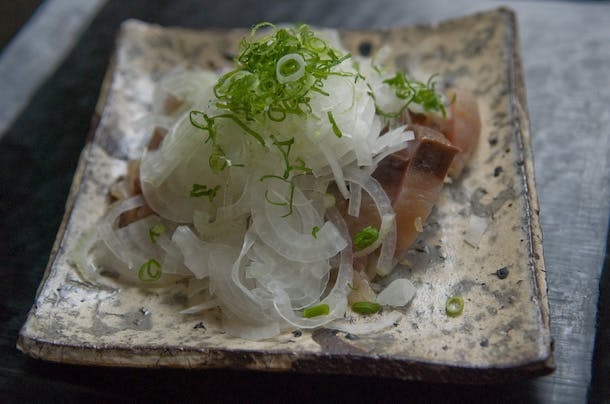
Salt-Cured Bonito Sashimi
Learn how to naturally preserve bonito through salt curing and transform it into a delightful sashimi-style dish. This article provides insights into cooking techniques, the use of Japanese knives, and a visit to the Union Square farmers market for fresh ingredients.
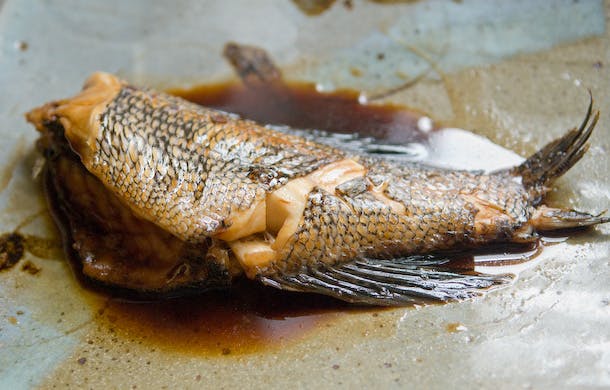
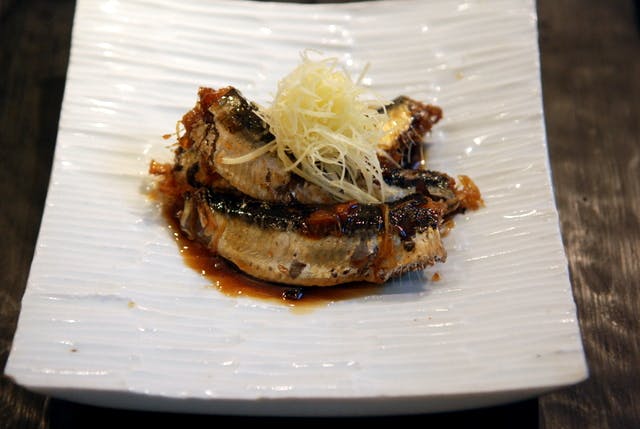
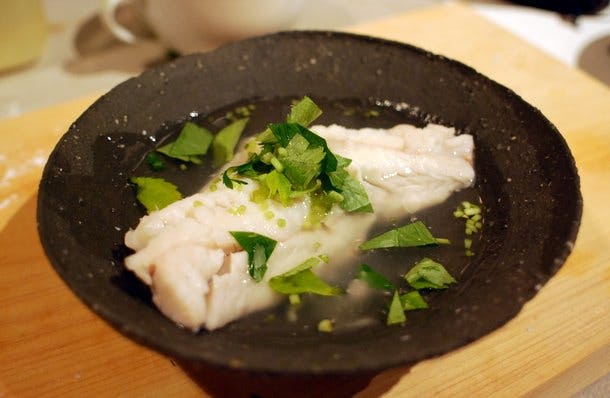
Steamed Sea Bass, Japanese Style
Learn how to steam a whole sea bass the Japanese way with Chef Tadashi Ono's tips. This method involves seasoning the fish with sea salt, sake, and garnishes, then steaming it to perfection. Enhance the flavor with konbu and make a flavorful fish stock from the bones. Try this delicate and delicious dish at home!
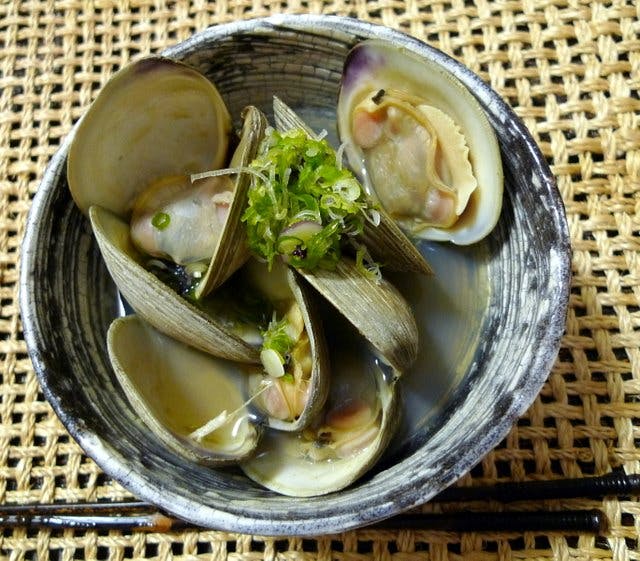
Steaming Large Clams with Dashi & Sake
Learn how to prepare delicious sake-steamed clams using traditional Japanese cooking methods. This recipe includes soaking the clams in salt water, preparing kombu dashi, and steaming the clams with sake. The result is incredibly tender clams in a flavorful broth, perfect for any seafood lover. Find out the reason behind starting the clams on a dry skillet and discover more about Japanese-style cooking in this article.
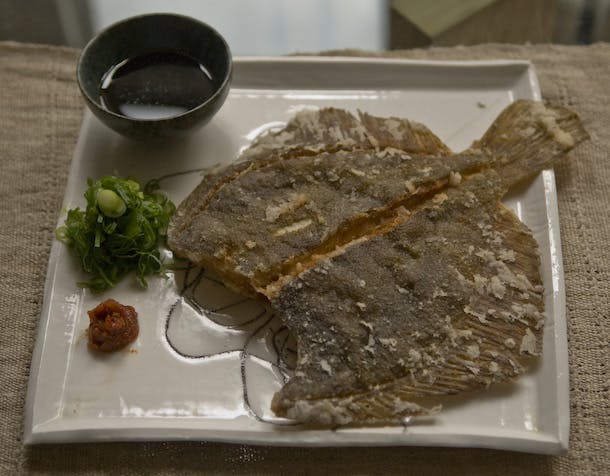
Summer Flounder
Learn how to make a delicious deep-fried flounder with Japanese cooking techniques and flavorful Asian condiments in this recipe. Chef Ono shares his tips for cooking a whole fish to perfection, and the best way to enjoy this dish as a taste of summer. Plus, discover where to find fresh catch at the Union Square Farmers Market from a fisherman in Montauk.
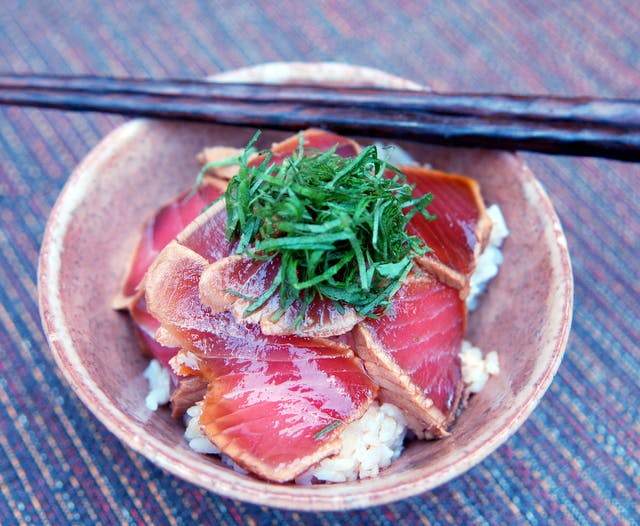
Tuna Marinated in Soy Sauce and Mirin
Learn how to make _maguro zuke_, a classic Tokyo style of marinating tuna, by following the technique taught by Tadashi Ono. This dish infuses the outside of the tuna with soy sauce and mirin flavors, while keeping the inside raw and tender. Perfect for serving thin slices over steaming rice, topped with chiffonade of shiso leaf, in a dish called _maguro don_ in Japan. The secret is a quick parboil of the tuna, followed by marinating in a mixture of soy sauce and mirin for incredible flavor.
Udon Seafood Hot Pot
Experience the spontaneity of Japanese cooking with this hot pot recipe using live soft-shelled crabs, clams, scallops, and udon noodles. This dish, prepared by Nobuko, showcases the forgiving nature of hot pot cooking and the unique flavors of Japanese cuisine. Try it out and trust your taste buds along the way!

Video: Fish Teriyaki
Learn how to make authentic teriyaki with Chef Abe as he demonstrates the recipe for this glossy grilled salmon dish. The video includes step-by-step instructions and the proportions of ingredients needed for the real-deal teriyaki. Check out the cooking demonstration and try it at home!
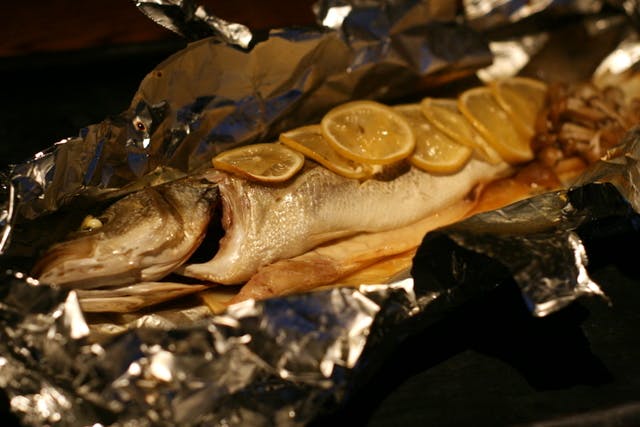
Video: Foil-Grilled Fish
Learn how to prepare Hoiru Yaki, a Japanese fish cooking technique known as 'foil-grilling,' in this how-to video. The recipe includes whole branzini, Japanese all-purpose soy sauce (shoyu), sake, and a pinch of salt. Watch the video for step-by-step instructions and tips from the Japanese Brasserie workshop.

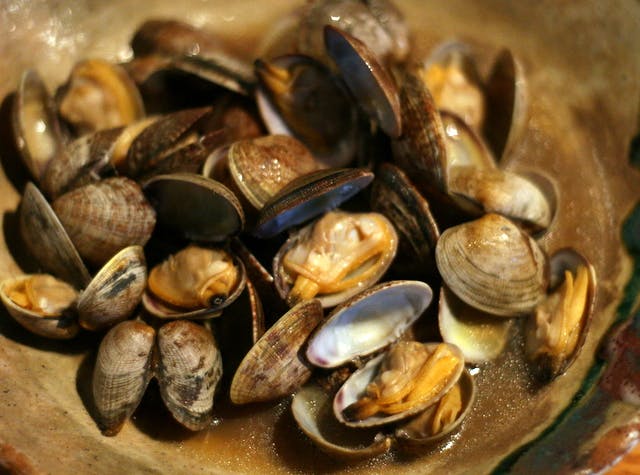
Videos: Clam Soup and Sake-Steamed Clams
Learn two great techniques for cooking clams from Chef Abe in these demonstration videos. He uses Little Neck clams for clam soup and Manila clams for the sake-steamed technique (sakamushi). Both techniques are easy, delicious, and adaptable to various types of clams. Find the proportions and details in the article.
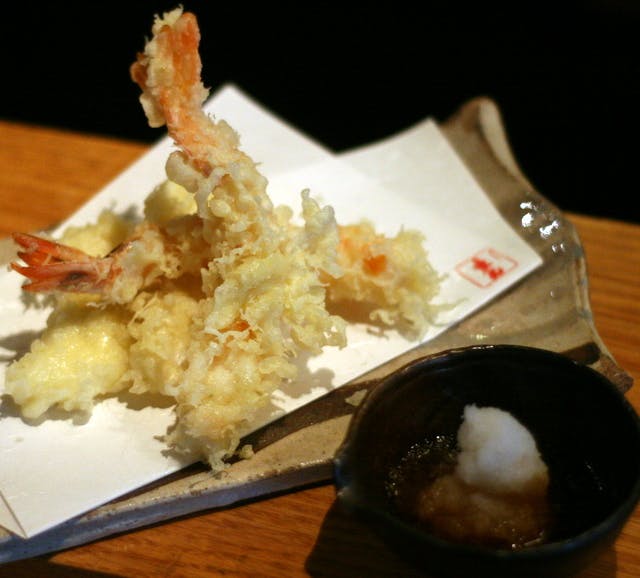
Videos: Fish Tempura & Oroshini
Learn how to prepare flawless tempura at home with this two-part video tutorial from the workshop at EN Japanese Brasserie. Also, discover the delicious oroshini, deep fried fish served in a tempura dipping sauce. Don't hesitate to ask questions in the comments section.
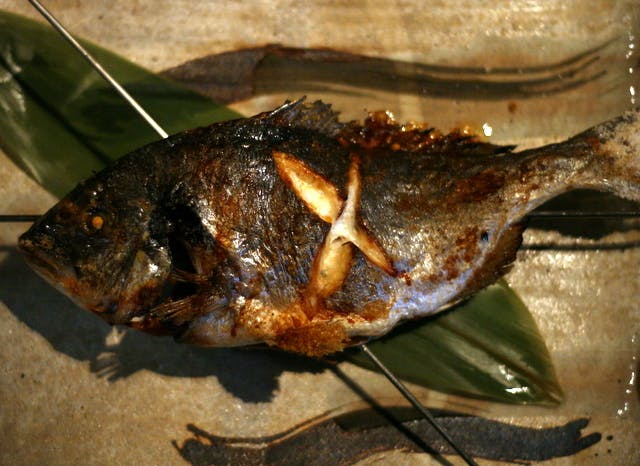
Videos: Japanese Fish 101, Plus Three Techniques
Learn the art of Japanese fish cooking with Chef Hiroki Abe and Reika Yo at EN Japanese Brasserie. From shioyaki to Nanbanzuke, get ready to master a dozen delicious techniques that any home cook can handle. Discover the recipes, ingredients, and video clips in this step-by-step guide.
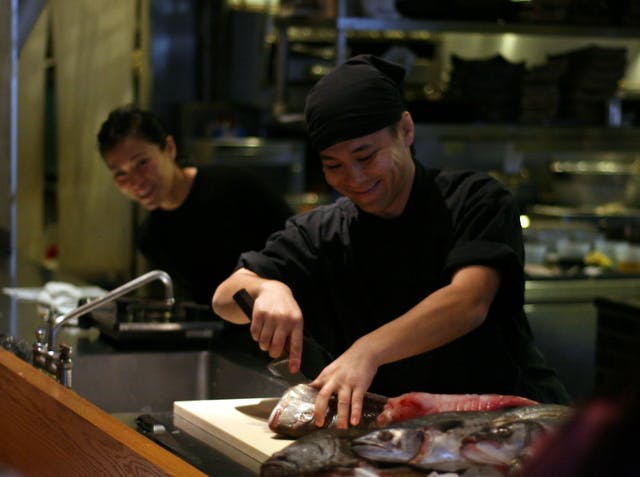
Videos: Miso Curing Fish & Yuan Yaki Marinating
Learn about the versatility of miso as an ingredient in Japanese cuisine, including how to miso-cure fish and marinate fish for grilling using the traditional _yuan yaki_ style. Watch the tutorial videos to master these Japanese cooking techniques.
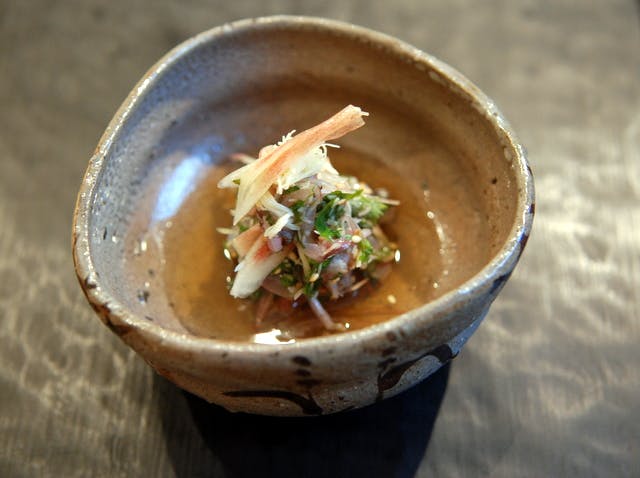
Vinegared Sardines (Tosazu)
Learn a new Japanese sardine recipe from Chef Isao Yamada involving marinating the sardines in tosazu, a Tosa vinegar-based marinade infused with bonito for a flavorful and umami-rich dish. The method for preparing tosazu and the step-by-step process for marinating the sardines are provided in the article.
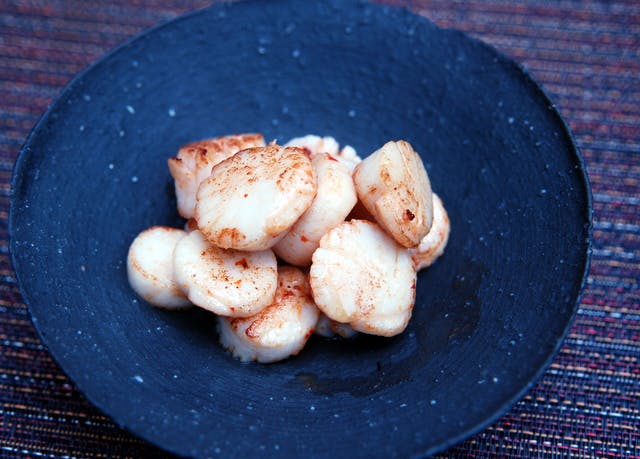
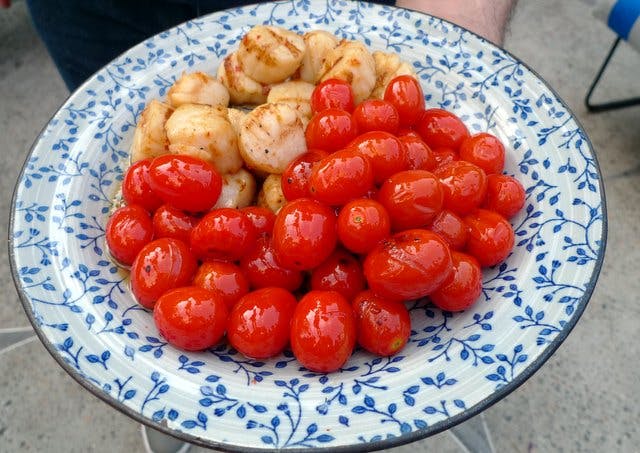
Yuzu-Kosho Grilled Scallops
Learn how to make delicious pan-seared scallops with a soy sauce, olive oil, and yuzu kosho marinade. This recipe from Chef Tadashi Ono can be done on the stovetop using a skillet. Enjoy fresh and sweet scallops with a perfect heat/savory balance, and watch a video of Chef Tadashi showcasing barbecue ideas, including stovetop options, and an excellent 4th of July fireworks display.
Chicken and Duck
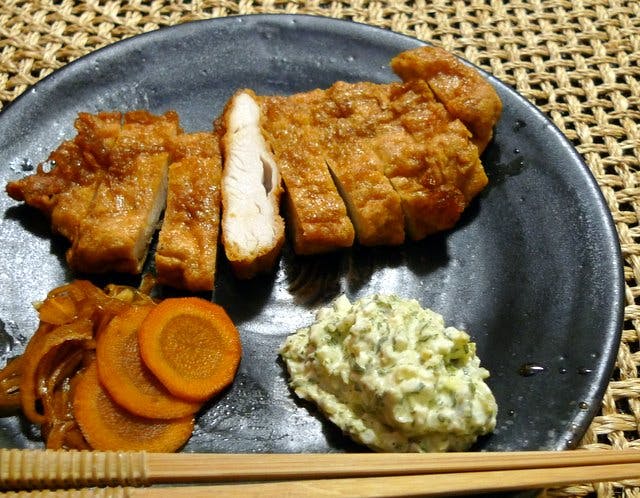
Chicken Nanban with Japanese-Style Tartar Sauce
Learn how to make Japanese-style tartar sauce and chicken nanban, a traditional soul food dish from Japan. The recipe includes the ingredients and instructions for the tartar sauce, nanban vinegar mixture, and preparing the chicken. This delicious meal is a popular favorite, and the tartar sauce can be made ahead of time for the flavors to fully develop.
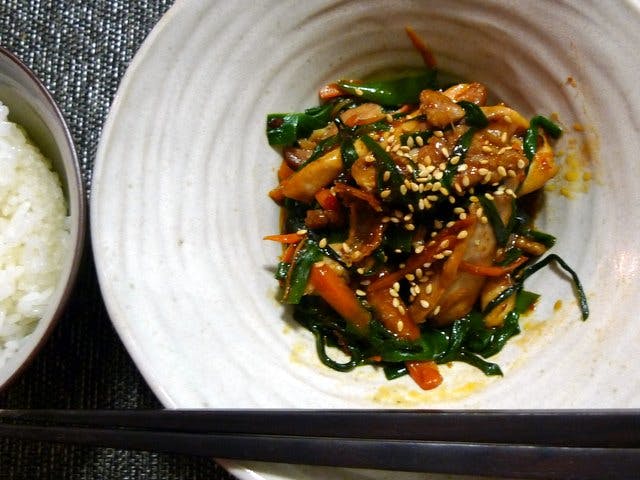
Chicken sautéed with garlic chives
Try this simple and delicious Japanese chicken recipe cooked with garlic chives and carrot in just ten minutes. This versatile dish is flavored with soy sauce, sake, oyster sauce, and tobanjan, and can be served with steaming white rice. Substitute with pork or beef, and garlic shoots or scallions for a different variation. Add extra tobanjan or black bean sauce for more flavor. Enjoy this quick and easy meal.
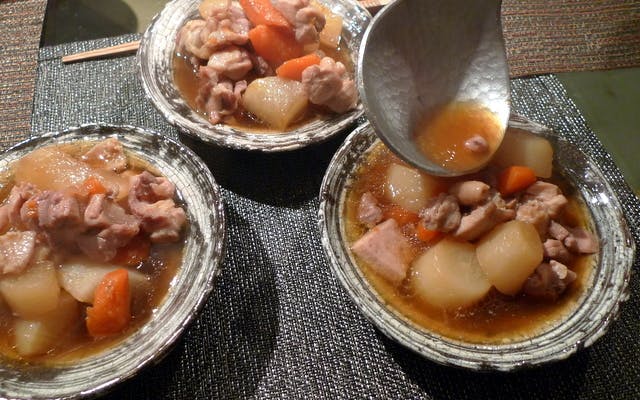
Chicken Simmered with Carrots and Daikon
Discover the art of Japanese cuisine with a super fast, easy, and incredibly delicious recipe utilizing the traditional simmering technique. Learn the secrets of infusing amazing flavor into ingredients with soy sauce, sake, and mirin, and explore the power of the otoshibuta. Try the recipe using ingredients like carrot, daikon, and boneless chicken legs for a delightful and quick cooking experience.
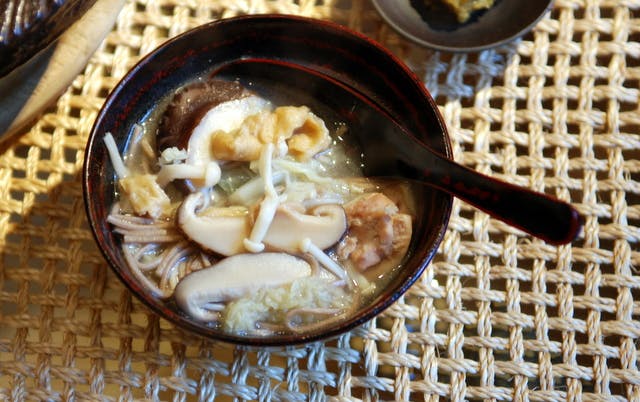
Chicken Soba Hot Pot
This Japanese hot pot dish, prepared with ingredients like chicken, mushroom, abura age, and soba, symbolizes long life and health in the new year. The recipe features a combination of traditional Japanese flavors with warming and comforting elements, perfect for celebrating New Year's Eve or any time in the cold season.
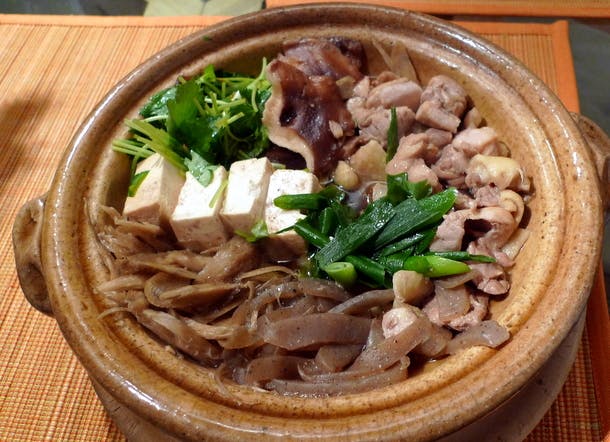
Chicken Sukiyaki
Explore the delightful world of Japanese hot pots with this chicken sukiyaki recipe inspired by Kozue restaurant in Tokyo. Learn how to prepare the delicious hot pot broth and all the ingredients needed for a light and elegant dining experience. Discover the beauty of donabe and the social tradition of enjoying hot pot meals year-round.
Grilling Videos: Steak, Scallops, Chicken and Veggies
Learn how to make amazing steaks, scallops, chicken, and veggies using marinades and rubs with garlic-soy sauce, miso, yuzu kosho, sansho, and more in these instructional videos. Fire up the Weber and start grilling right away with the tips from Tadashi and the Japan Society presentation!
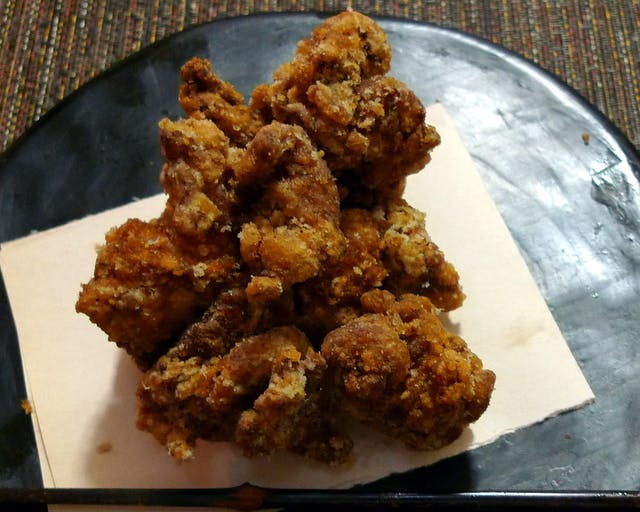
Japanese-Style Fried Chicken
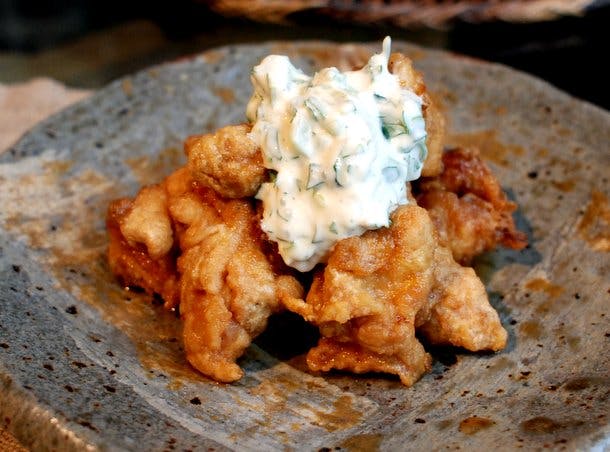
Learn how to make delicious Japanese-style fried chicken, known as kara-age, with a savory soy sauce-and-garlic marinade and a crispy potato starch crust. Enjoy this recipe served with steaming white Japanese rice and a refreshing tomato-cucumber salad. It's a simple, flavorful, and satisfying dish perfect for picnics or school lunches. Discover the secret to tender, juicy, and intensely flavorful kara-age and variations to the traditional recipe. Try this easy-to-follow recipe from the inimitable Nobuko and share your favorite way to make kara-age in the comments.
Sake-Steamed Whole Chicken
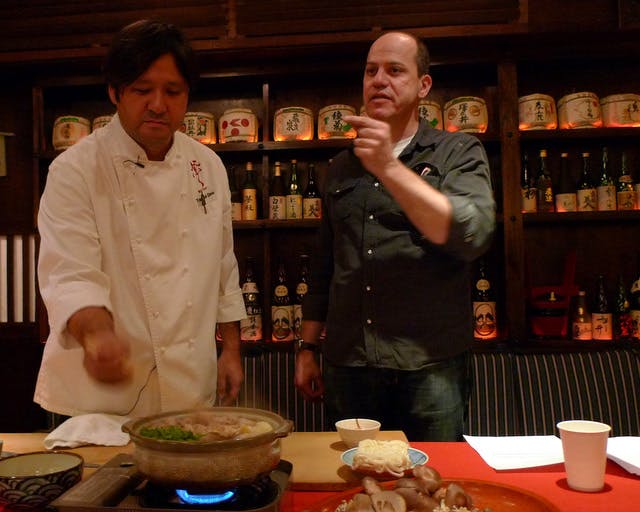
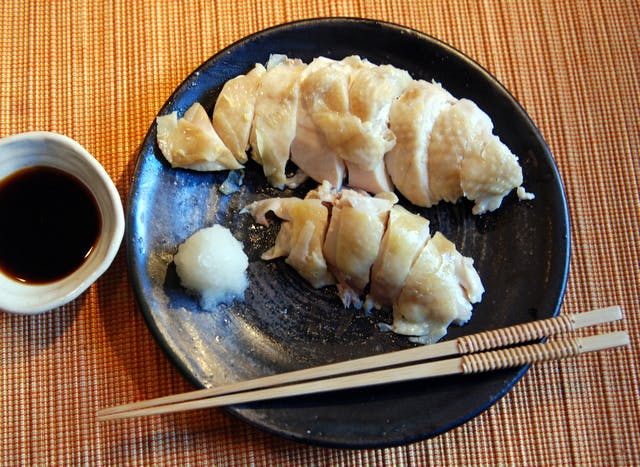
Learn how to make incredibly moist and flavorful steamed chicken with sake using this simple method by Chef Tadashi Ono. Pair it with daikon oroshi and ponzu sauce for a delicious Japanese meal. Patience is key in allowing the chicken to cool to retain its succulence. Leftover chicken can also be used in a variety of dishes. Try it out and enjoy the tenderized and flavorful result!
Sautéed Duck Breast with Ponzu Citrus Soy
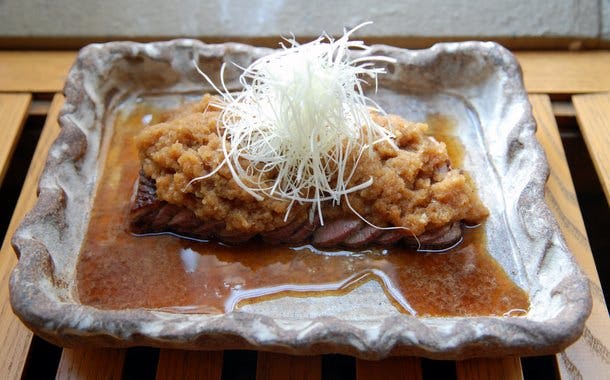
Chef Honma demonstrates contemporary Japanese cooking at its best with his incredible sautéed duck breast recipe, using a combination of Western sautéing techniques and classic Japanese flavors such as ponzu and daikon. Follow this straightforward recipe to create a rich, bright, and sharp dish that is a customer favorite at EN Japanese Brasserie.
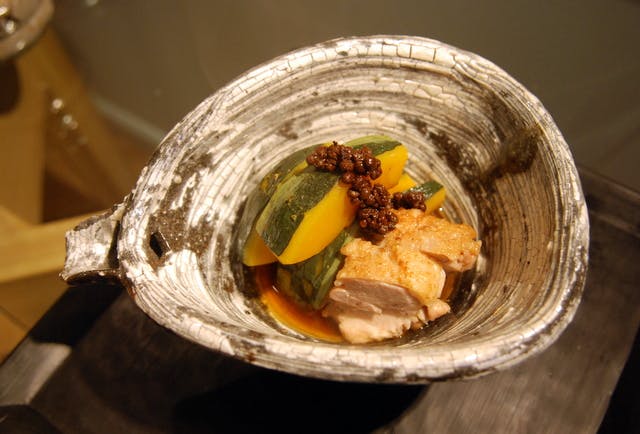
Simmered Kabocha Pumpkin and Chicken
Learn about nimono, the Japanese simmering technique, and how Chef Isao Yamada prepares a flavorful Braised Kabocha Pumpkin and Chicken dish using umami-rich ingredients like dashi, mirin, and soy sauce. Discover the specific culinary techniques involved and the significance of umami in Japanese cuisine.
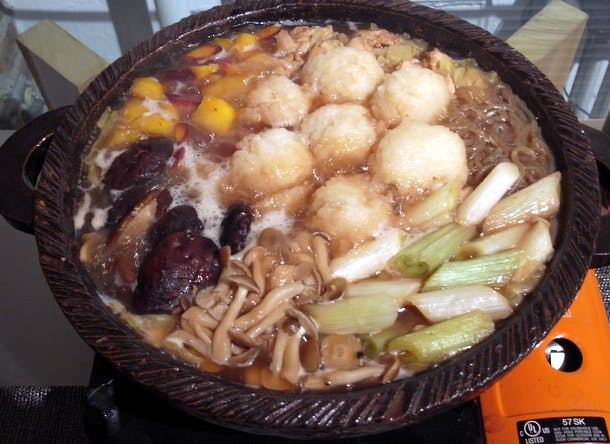
Snow Country Hot Pot
Explore the breathtaking Tohoku region of Honshu Island in Japan, known for its rural and rugged landscape, and hearty, rustic cuisine that warms the soul. Discover the local hot pot dish, Damako Nabe, featuring rice balls, chicken, taro, burdock root, negi, konnyaku noodles, and oyster mushrooms in a savory soy sauce and sake broth. Make your own version with your favorite ingredients and enjoy the taste of Tohoku at home.
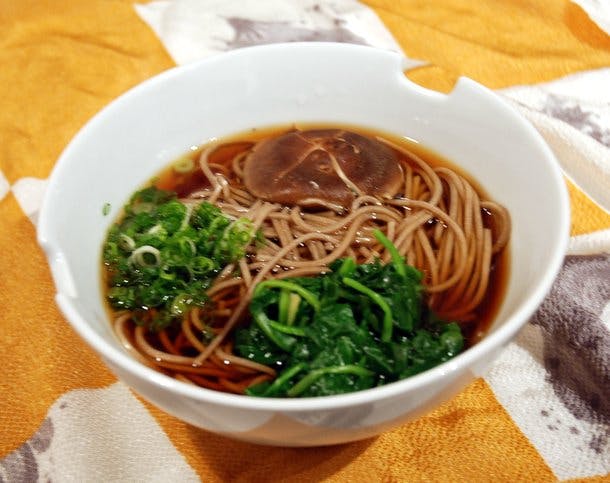
soba noodles in duck broth
Learn how to make a rich and flavorful duck soba tsuyu, a Japanese soup for soba noodles, from Chef Ono's traditional cooking method. This recipe includes preparing duck stock, making kaeshi, cooking soba noodles, and assembling the dish with garnishes. Discover the layers of flavor and aroma that make this soup the perfect antidote to a blustery winter day.
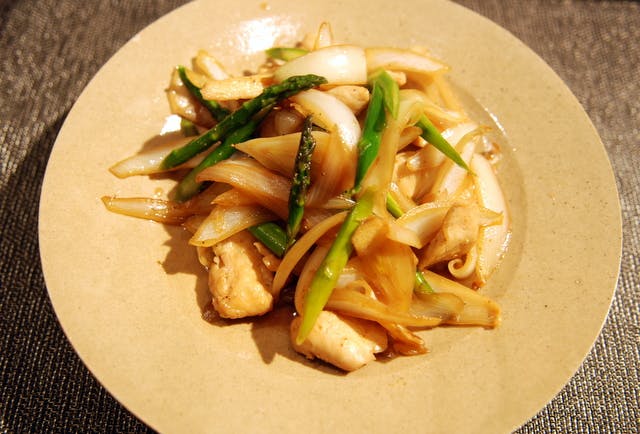
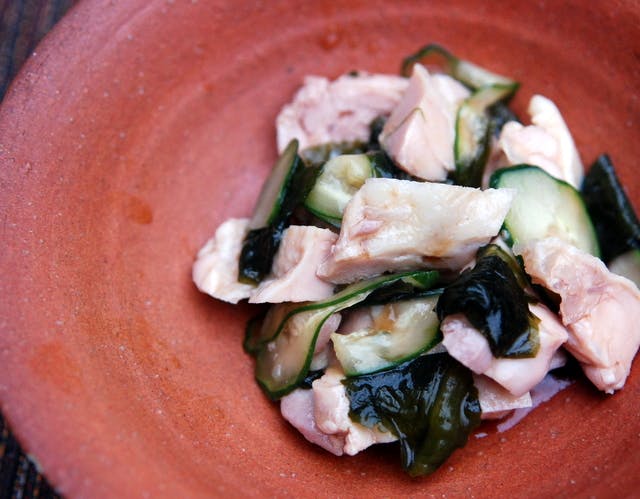
Steamed Chicken with Cucumber and Wakame
Discover a delicious and simple Japanese recipe for a steamed chicken dish from the Traditional Japanese Recipe Book with English Translation. Marinated in salt and sake, then steamed, this chicken is mixed with wakame seaweed and thinly sliced cucumbers. Enjoy this traditional Japanese cuisine that's packed with great recipes and techniques.
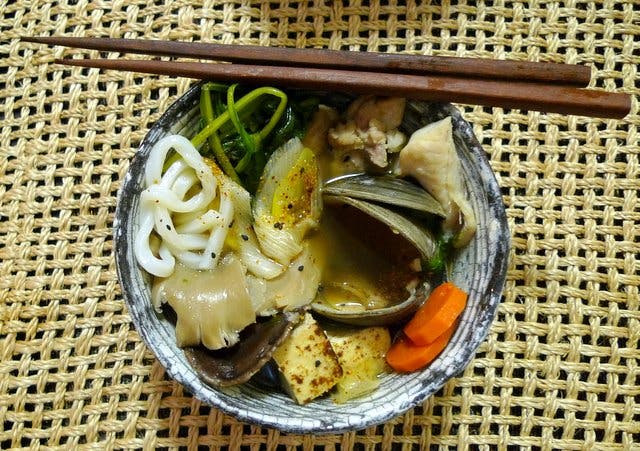
Udon-Chicken-Clam Hot Pot
Learn how to create a mouthwatering udon hot pot with clams and chicken, using a Kansai or Kanto style broth. Follow the advice of Japanese chef Rio Irie to prepare a delicious hot pot with a flavorful broth that will take your taste buds to new heights. Get creative with the ingredients and enjoy a delightful Japanese culinary experience.
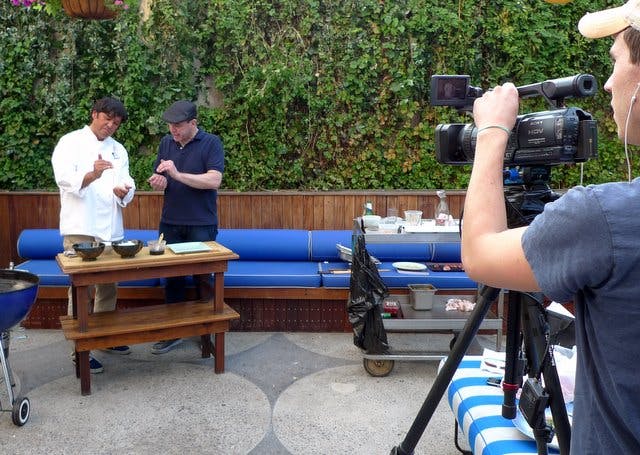
Videos: Breaking a Chicken, Yakitori, and Yaki Onigiri
Learn Japanese grilling techniques and dishes with this cooking demonstration by Tadashi and coauthor at the Japan Society in New York. Watch six videos including how to cut up and skewer a chicken, how to grill yakitori, and how to grill onigiri from the book 'The Japanese Grill'.
Meat
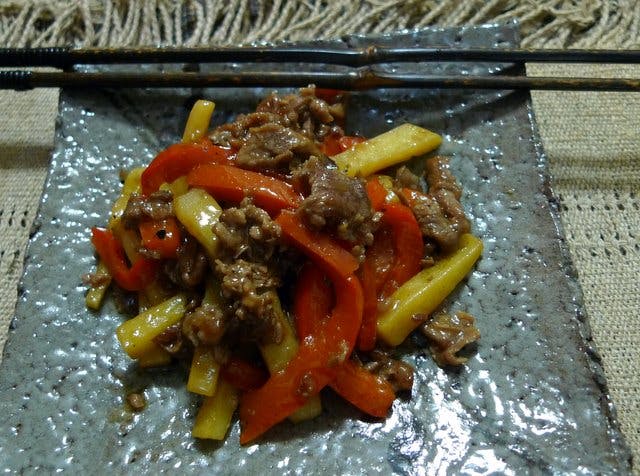
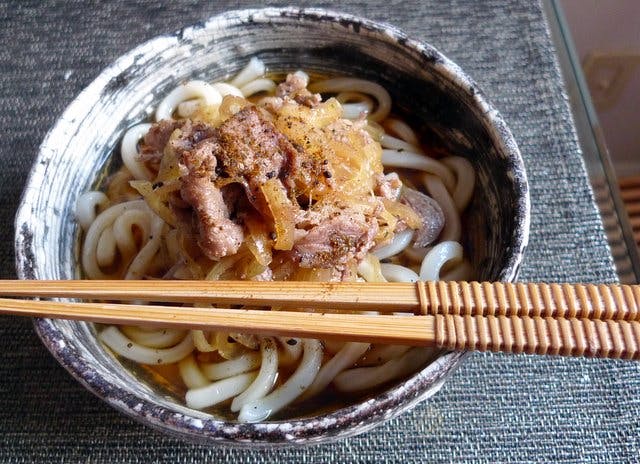
Beef Udon, or the Pleasures of Shaved Steak
Discover a tasty Japanese recipe for beef udon, made with shaved steak, simmered in a flavorful broth, and served on top of udon noodles. This quick and easy dish is a popular mainstay in Japan, and the article shares the recipe along with helpful tips for preparing the dish. Find out how to add various flavors to the broth and more!
Grilling Videos: Steak, Scallops, Chicken and Veggies
Learn how to make amazing steaks, scallops, chicken, and veggies using marinades and rubs with garlic-soy sauce, miso, yuzu kosho, sansho, and more in these instructional videos. Fire up the Weber and start grilling right away with the tips from Tadashi and the Japan Society presentation!
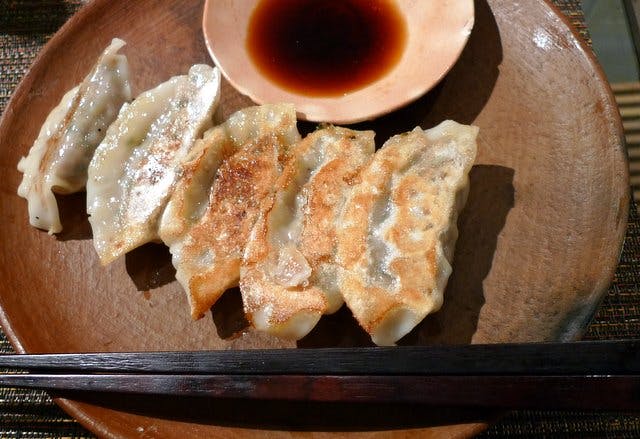
How To Make Amazing Gyoza
Learn how to make classic gyoza, the Japanese dumplings characterized by one side that is toasty and crisp and the other side that is tender and juicy. This article explains the traditional gyoza recipe, ingredients, cooking methods, and provides a video tutorial on the dumpling folding technique.
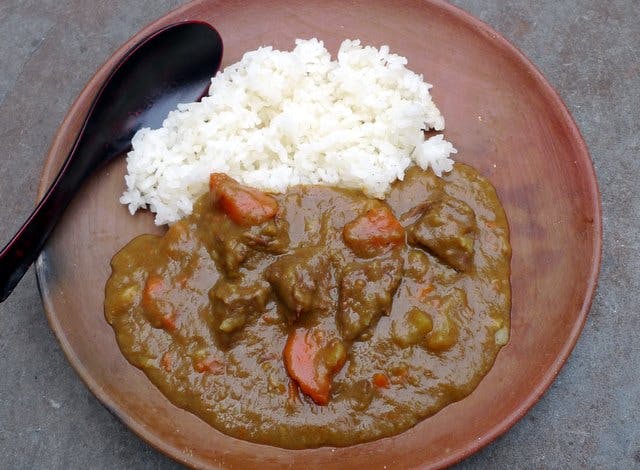
Japanese Beef Curry From Scratch
Learn how to make Japanese curry from scratch using simple ingredients and expert techniques. Discover a step-by-step recipe for homemade curry with detailed instructions. Perfect your comfort food cooking skills with this delicious and authentic Japanese curry dish. Workshop details and additional resources available.
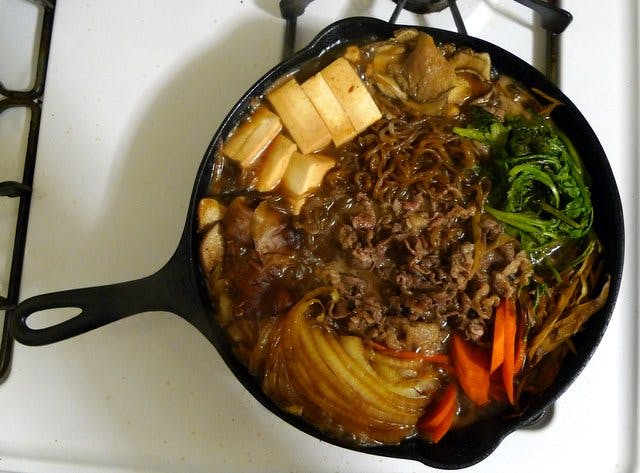
On Cooking Sukiyaki
Learn about the two styles of sukiyaki - Tokyo-style and Osaka-style. Discover the traditional ingredients and seasoning sauce for this classic Japanese shaved beef hot pot. Find out how to cook sukiyaki using a cast-iron skillet and enjoy it with a glass of sake. Also, learn the method of eating sukiyaki with raw egg dipping and a side of white rice. Perfect for a cozy winter night!
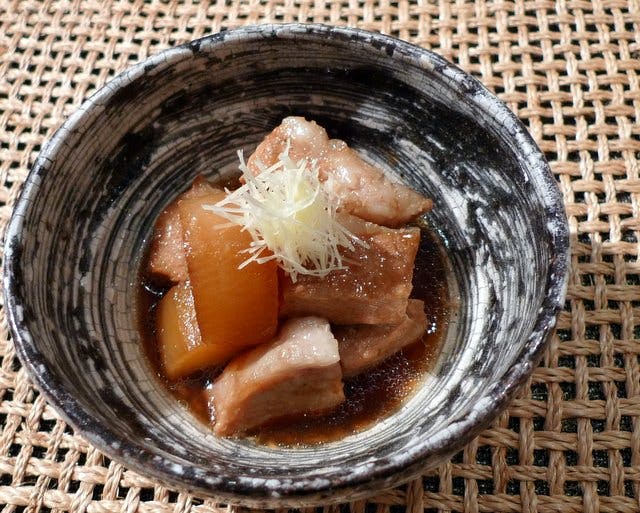
Kakuni: Simmered Pork and Daikon
In this article, Atsushi Nakahigashi cooks an amazing simmered pork dish at the Brooklyn Kitchen using ingredients from The Meat Hook. The combination of daikon and pork, simmered with soy sauce, sake, and sugar, creates a super delicious and savory dish, perfect for preparing the night before and reheating the next day. The recipe and instructions for this traditional Japanese dish are provided in the post.
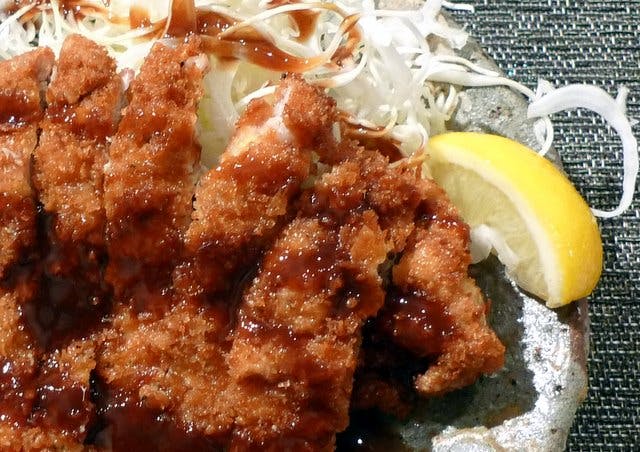
Tonkatsu: Deep Fried Pork Cutlet
Enjoy a traditional tonkatsu recipe originating from a sleepy old Tokyo neighborhood. This article provides a step-by-step guide, along with ingredient quantities, for preparing juicy and crunchy tonkatsu at home. It also includes recommendations for tonkatsu sauce and Japanese mustard to complement the dish.
Technique
All About Salmon
Join the latest session of Mastering Fish the Japanese Way, a seminar sponsored by the Gohan Society and led by Chef Toshio Suzuki. Learn about salmon preparation techniques, traditional marinades like yuan yaki and miso zuke, and the importance of freezing salmon for raw consumption. Explore the process of breaking down a fish using the sanmai oroshi technique and discover the delicious potential of salmon parts like the head, skin, and gills.
Chef Suzuki's Cured Mackerel
Chef Toshio Suzuki introduces Japanese vinegar and its uses, with a focus on mackerel preparation at the James Beard Foundation master class in New York. Learn about the various vinegar treatments discussed and the traditional pairing combinations. Discover Chef Suzuki's approach to preparing mackerel, including the two-step curing process and a flavorful condiment called mizore zu. Find out how the vinegared daikon oroshi beautifully complements the delicate and subtle flavor of the mackerel.
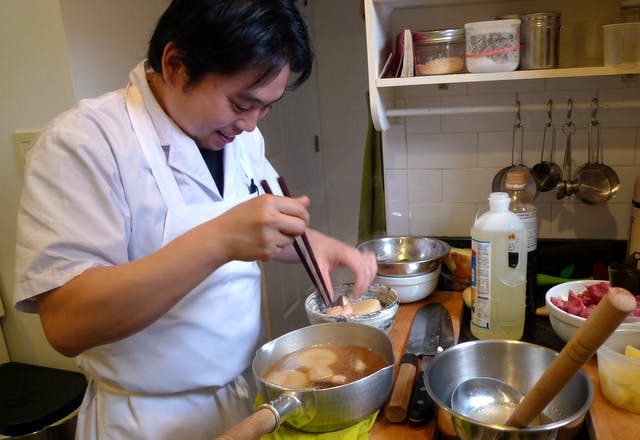
Chef Yamada's "1.5" All-Purpose Dashi
Learn how to prepare iten goban dashi, a versatile version of kombu-katsuobushi dashi, taught by Chef Isao Yamada. This straightforward technique falls between the delicate taste of ichiban and the powerful taste of niban, making it perfect for various Japanese dishes.
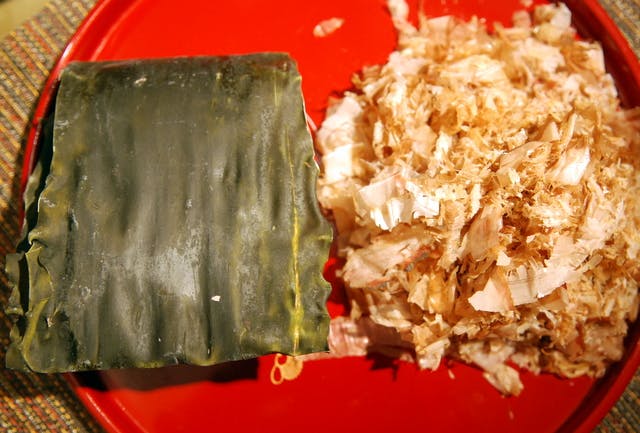
Chef Yamada's Classic Ichiban and Niban Dashi
Learn how to make ichiban dashi and niban dashi, the foundational stocks of Japanese cuisine. This article explains the process of preparing dashi using kombu and katsuobushi, providing insights into the extraction of umami flavors and detailed steps for making both types of dashi.
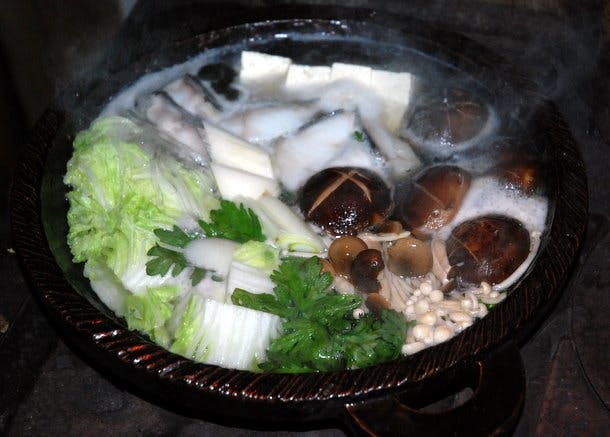
Freestyle Hotpot
Learn about the regional varieties of nabe (home-style hotpot cooking) in Japan, including Yose-nabe, the Tokyo-style 'anything goes' hotpot. The article also contains a kitchen recipe for preparing Yose-nabe, including a list of typical hotpot ingredients and simple preparation steps.
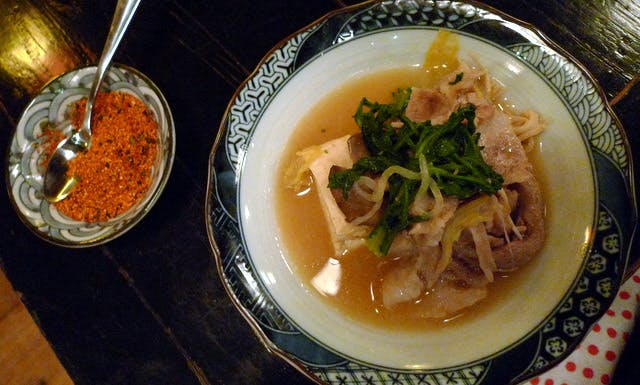
Hot Pot Videos: Theory, Ingredients and How-To
Learn the basics of hot pot cooking and Japanese cuisine with these informative videos led by the hot pot master class Tadashi Ono. Explore fundamental ingredients and how to prepare the iconic chanko nabe, the sumo wrestler hot pot, in this comprehensive guide.
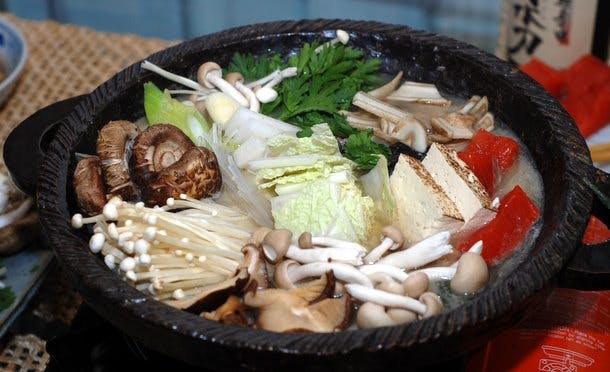
hotpot 101, or window into japanese cuisine
Japanese hotpot cooking, or 'nabe,' is a wonderful window into regional Japanese cuisine and traditional cooking. Explore the use of Japanese ingredients like shiitake mushrooms, Napa cabbage, chrysanthemum leaves, Japanese leeks, tofu, and non-grain based noodles, all boiled or simmered in a flavorful and healthy water-based broth called 'dashi.' Experience the unique flavors and seasonality of Japanese ingredients through the comforting and enjoyable hotpot cooking, reflecting the essence of Japanese food culture.
how to cook rice, or the essence of japanese cuisine
Preparing rice the traditional Japanese way is a reflection of _ajiwai_, the essence of Japanese cuisine. This article outlines the detailed steps and techniques provided by master chef Yoshio Maruyama for making perfect Japanese rice, including the special equipment, washing and soaking, polishing, resting, and cooking processes.
How To Make Amazing Gyoza
Learn how to make classic gyoza, the Japanese dumplings characterized by one side that is toasty and crisp and the other side that is tender and juicy. This article explains the traditional gyoza recipe, ingredients, cooking methods, and provides a video tutorial on the dumpling folding technique.
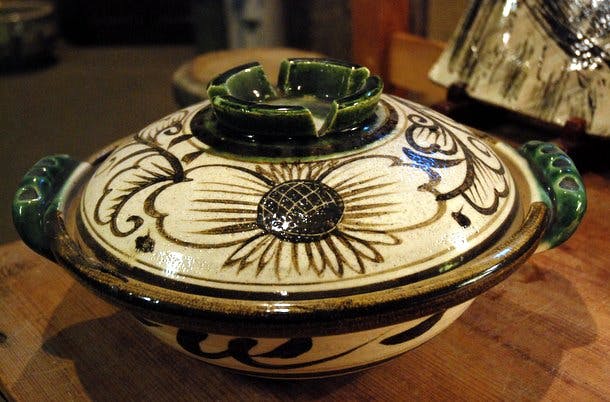
iga donabe maker
Explore the history and craftsmanship of traditional Japanese cooking vessels known as donabe. Visit Iga village in Mie Prefecture where Iga Mono, the last major donabe company, continues the 175-year tradition of producing these prized earthenware pots. Learn about the unique Biwakoso clay, known for its exceptional heat retention and insulating properties, that makes Iga donabe a staple in Japanese kitchens.
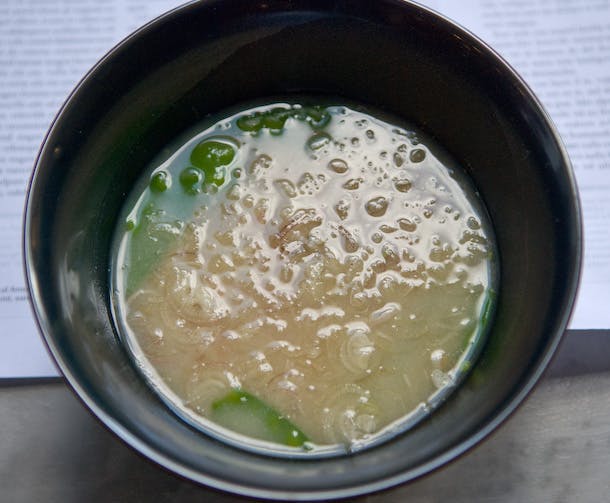
Konbu Dashi Miso Soup with Snow Peas
Atsushi's simple soup recipe demonstrates the concept of mottainai by using turnip peels and scrap pieces of carrot to create a flavorful broth with the power of konbu. The addition of snow peas, sweet white miso, and awase miso results in a pleasing umami flavor, showcasing the depth and versatility of this traditional Japanese ingredient.
Konbu-Kasuobushi Dashi & Silken Tofu Miso Soup
Learn how to make konbu-katsuobushi dashi and a delicious miso soup using traditional Japanese cooking techniques. This article guides you through the process of preparing dashi, talks about the crucial role of water in konbu boiling, and provides step-by-step instructions for crafting a flavorful miso soup. Explore the art of Japanese cuisine and bring authentic flavors to your home kitchen!
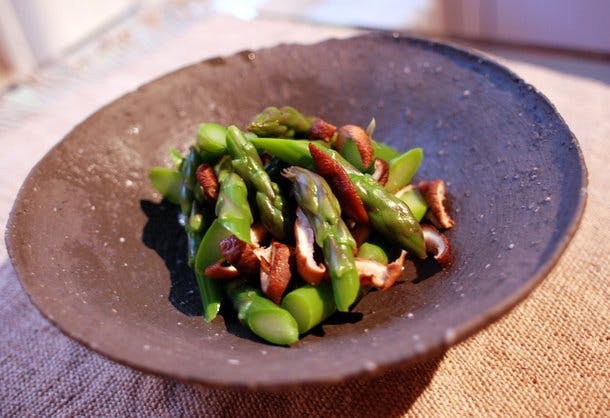
Layering Flavor into Vegetables
Learn about the traditional Japanese cooking technique of shita aji and how Chef Ryo from Matsuri restaurant prepares fiddlehead ferns using this method. Discover the use of konbu-katsuobushi dashi and usukuchi soy sauce in marinating the vegetables, and how to apply this technique to other ingredients like asparagus and shiitake. Dive into the delicate and flavorful world of Japanese cuisine.
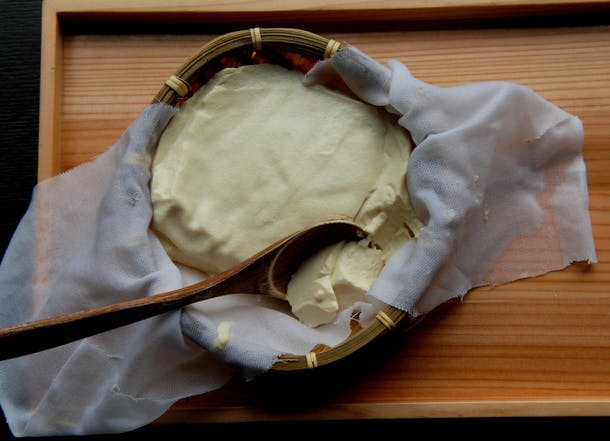
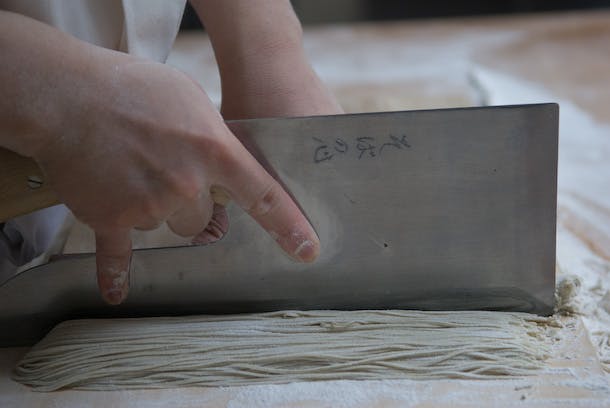
Matsugen Soba
Learn about the high art of soba noodles at Matsugen, a restaurant in Manhattan, where the chef generously shares the fascinating process of making, cutting, and cooking soba noodles. Experience the toothsome and delightful cold inaka style noodles with a delicate dipping sauce, showcasing the exquisite taste of soba.
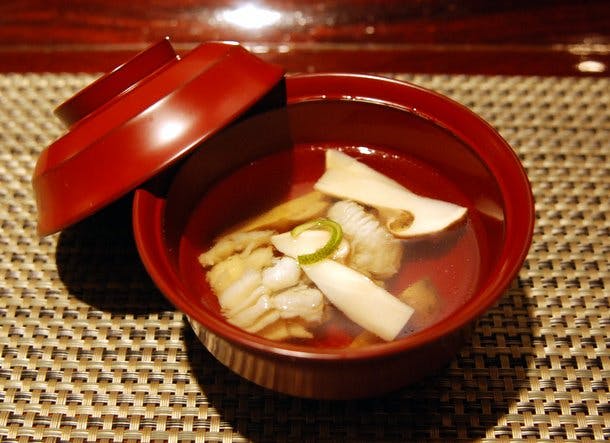
More on Dashi...
Explore the world of dashi, an essential stock of Japanese cuisine, through a look at how Western chefs across the country are now utilizing it. The article includes a dashi recipe graciously shared by chef Sono-san of the renowned restaurant Kyo Ya, offering insights into the preparation of this remarkable Japanese broth.
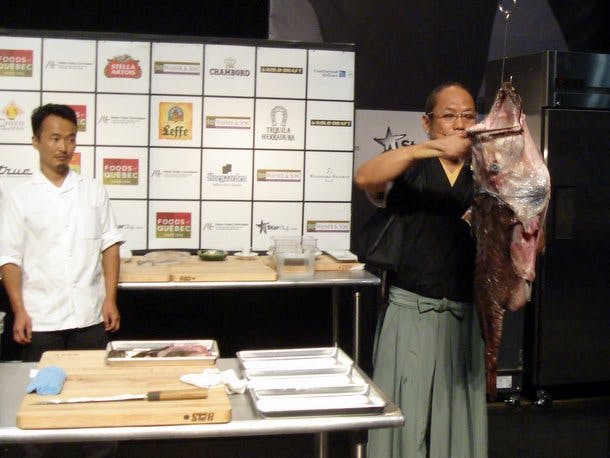
Morimoto's Monkfish
Monkfish, a sustainable species often undervalued in the USA, is a prized delicacy in Japan, especially the liver. Renowned Chef Masaharu Morimoto demonstrated six different monkfish dishes at the annual StarChefs Congress, showcasing the unique culinary possibilities offered by this giant, ugly, but incredibly tasty fish.
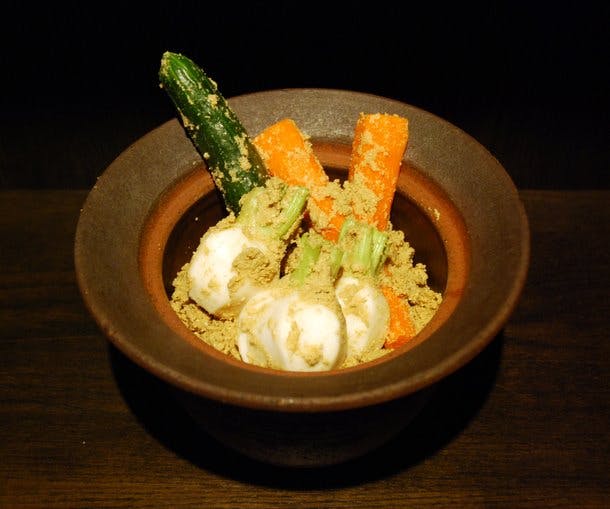

Notes from Tokyo Taste
Highlights from Chef Kunio Tokuoka's presentation at the Tokyo Taste event in Japan, including the use of kombu dashi to enhance umami, poaching vegetables in kombu dashi with butter, deconstructing and reassembling a fish fillet, preparing risotto in a hot pot donabe, and creating tableside service with tomatoes and parmesan.
On Cooking Sukiyaki
Learn about the two styles of sukiyaki - Tokyo-style and Osaka-style. Discover the traditional ingredients and seasoning sauce for this classic Japanese shaved beef hot pot. Find out how to cook sukiyaki using a cast-iron skillet and enjoy it with a glass of sake. Also, learn the method of eating sukiyaki with raw egg dipping and a side of white rice. Perfect for a cozy winter night!
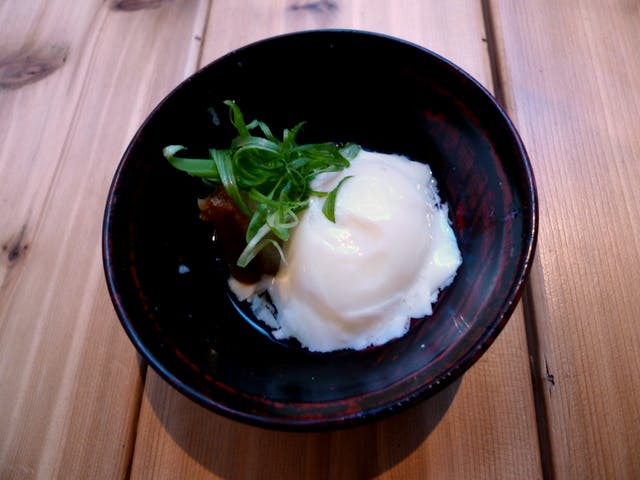
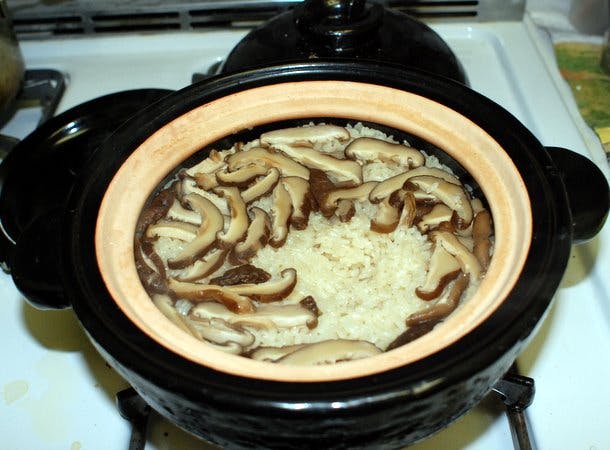
Rice Bliss: A Rice Donabe
Learn about traditional donabe and how to cook delicious rice dishes using the specialized rice donabe. Find out where to get an Iga rice donabe and how to properly season and care for it. Discover the recipe for flavorful shiitake mixed rice and the benefits of using haiga rice for cooking.
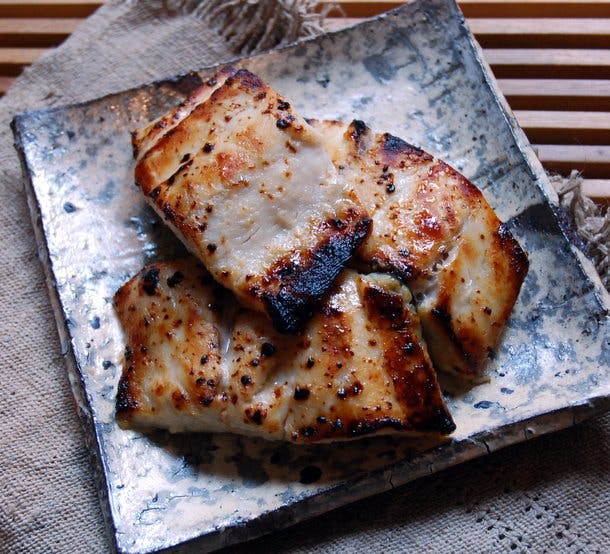
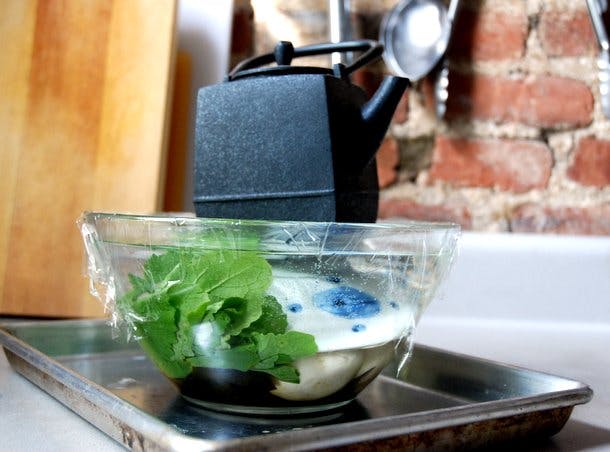
salt cured (a.k.a. pickled) turnips
Learn about the art of Japanese pickling, known as tsukemono, and explore the process of making shiozuke, a style of salt pickles. Discover the regional traditions, ingredients, and methods used to preserve and enhance the natural flavors of vegetables in Japanese cuisine.
Salt-Cured Bonito Sashimi
Learn how to naturally preserve bonito through salt curing and transform it into a delightful sashimi-style dish. This article provides insights into cooking techniques, the use of Japanese knives, and a visit to the Union Square farmers market for fresh ingredients.
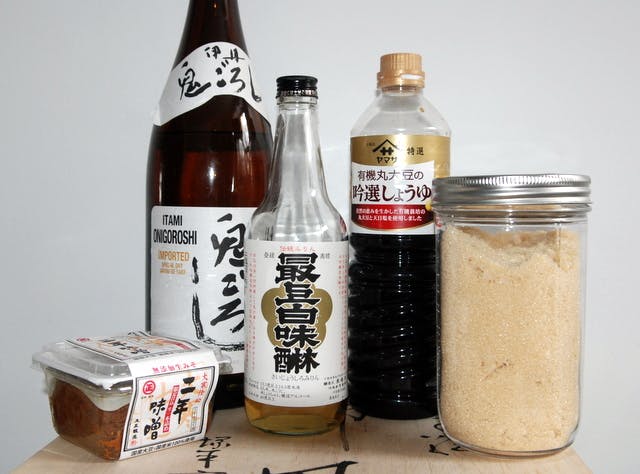
Simmering: More Thoughts on Seasoning
Learn about the Japanese simmering technique known as nimono and the principles behind it. Discover the importance of balance in Japanese cuisine and the precise order of adding seasonings explained by Chef Isao Yamada. Explore the unique flavors achieved by simmering foods in umami-rich liquids and the science behind the sa shi su se so seasoning order.
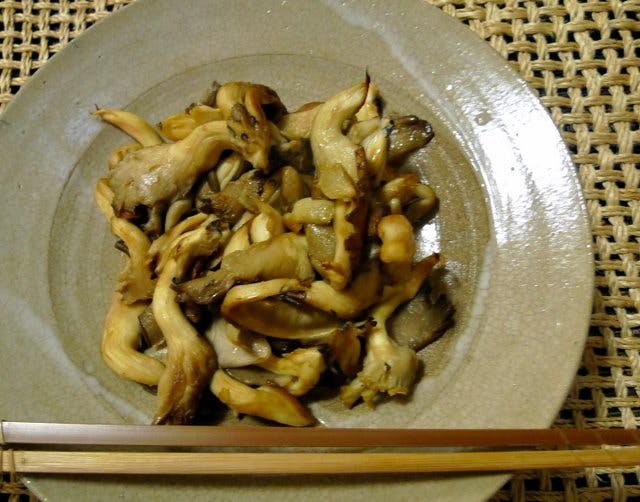
The Dynamic Duo: Butter and Soy Sauce
Discover the incredible flavor combination of butter and soy sauce in Japanese cuisine. Chef Jean-Georges Vongerichten's favorite pairing creates a velvety, rich, and intense savory taste that complements a variety of ingredients, such as mushrooms, asparagus, broccoli, shrimp, and more. Learn how to sauté ingredients in butter and drizzle with soy sauce for a delicious umami-packed dish, as seen in the preparation of oyster mushrooms in this recipe.
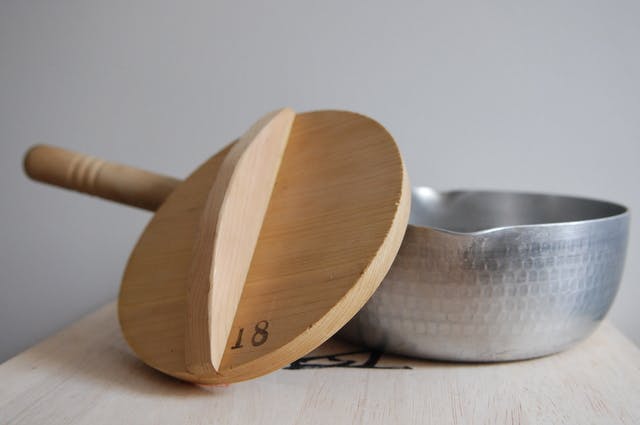
The Power of the Otoshibuta (or, the Drop Lid)
Discover the genius piece of Japanese kitchen equipment called otoshibuta, used by Chef Isao Yamada to simmer ingredients in the Japanese way known as nimono. Learn how otoshibuta circulates heat, caramelizes sugars, and holds ingredients in place, enhancing the cooking process. Find out about the different types of otoshibuta and important tips for using this versatile tool.
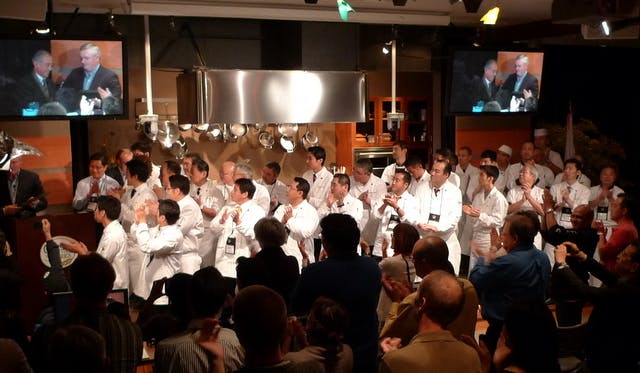
Three Great Techniques from the CIA Conference
Learn amazing Japanese cooking techniques, traditional recipes, and ingredients shared by master chefs at the CIA's Japan: Flavors of Culture event. Explore methods for onsen tamago with somen and raw tuna, salmon marinated in miso yuan, and a quick Japanese-inspired sauce loved by Chef Jean-Georges.
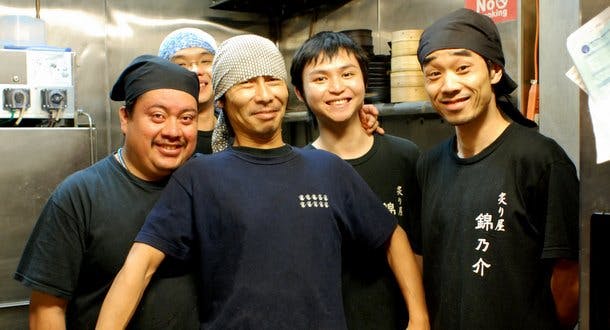
Tosajoyu, Katsuo Bushi-Infused Soy Sauce
Learn about robata grilling and how Chef Jiro Iida of Aburiya Kinnosuke restaurant in Manhattan creates tosajoyu, a soy sauce infused with the delicate, smoky flavor of katsuo bushi. Discover the recipe and technique for making tosajoyu and yakitori tare, Jiro-san's version of Japanese barbecue sauce. Find out where to get binchotan charcoal for robata grilling. Happy grilling!

Two Must-Try Miso Dressings
Learn how to make versatile and super tasty miso dressing and sesame miso dressing from Chef Hiroki Abe at the En Japanese Brasserie workshop. These dressings can be used for salads, as marinades for grilled meats and veggies, and as dipping sauce for shabu shabu. The article includes the ingredients and steps to prepare these delicious dressings for Japanese cuisine enthusiasts.
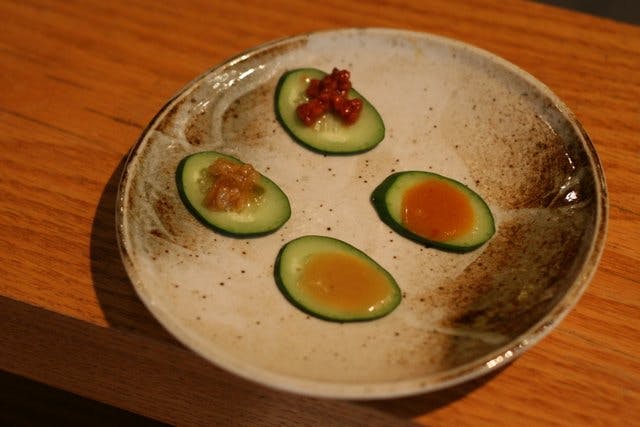
Two Versatile Miso Dipping Sauces
Learn how to make two delicious and versatile miso dipping sauces introduced by Chef Hiroki Abe at a workshop. The Spicy Aka Miso sauce features savory red miso, while the Yuzu Kosho Miso sauce incorporates aromatic yuzu kosho. These sauces can be paired with grilled steak, chicken, fish, or veggies, and are easy to prepare following Chef Abe's style.
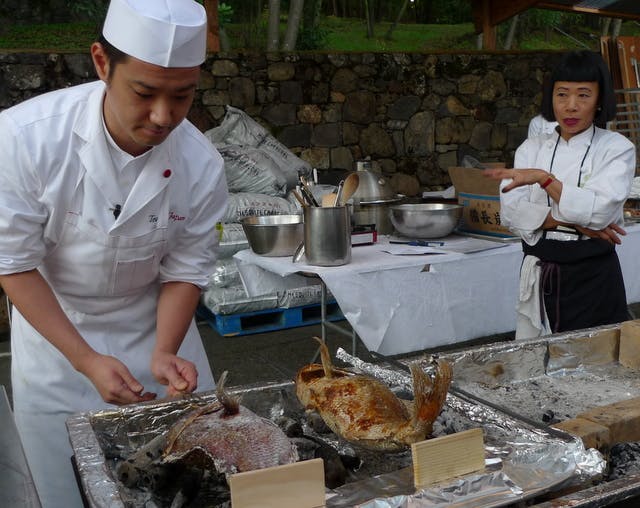
Video: Grilling Lesson With Chef Takahashi of Hyotei
Japanese greatest chefs descended on the Napa Valley for the Culinary Institute of America's Japan: Flavors of Culture conference. Chef Yoshihiro Takahashi shared his grilled tai (sea bream) recipe served with wari dashi, along with moderator Hiroko Shimbo. Learn how to prepare the delicious sauce and experience the most in-depth understanding of Japanese cuisine ever held in America.
Food Culture

ariake nori farmers, 3 a.m.
Explore the world of nori farming in Japan with a visit to the Ariake Sea in rural Saga Prefecture, where dedicated aqua-farmers work tirelessly to harvest the finest nori in the country. Discover the backbreaking effort that goes into cultivating this essential ingredient for Japanese cuisine.
breakfast food
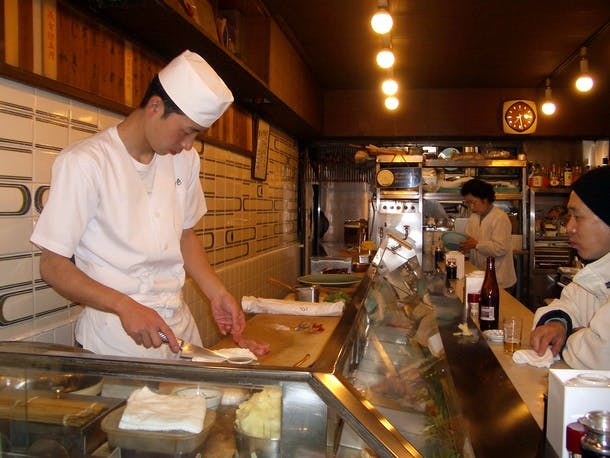
Experience the sights and sounds of Tokyo's Tsukiji fish market, the largest wholesale fish market in the world, through the eyes of a visitor. Discover the fascinating auction process for 800-pound tuna and follow fishmongers to a local sushi spot for the freshest morning meal, showcasing the best of Japanese cuisine.
Buy a Japanese Knife
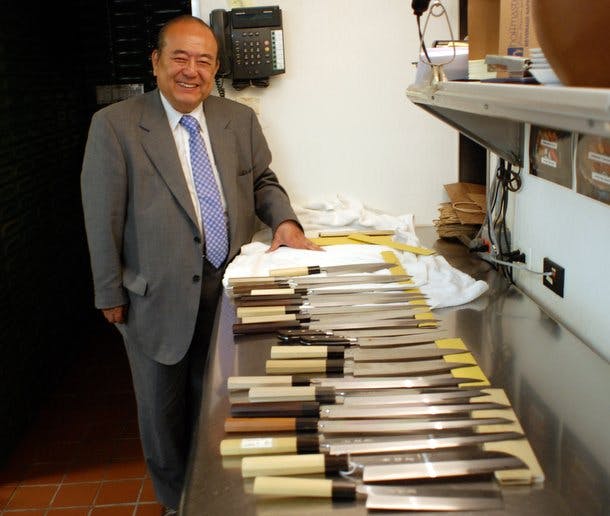
Explore the world of Japanese kitchen knives and the significance of these unparalleled cooking utensils rooted in the rich history of Japanese food culture. Learn about the traveling knife salesman from Japan, Mr. Yuichi Hiruko of Filco Corporation, who delivers high-quality blades to chefs and maintains old-school relationships with customers.
"characteristics of japanese cuisine"
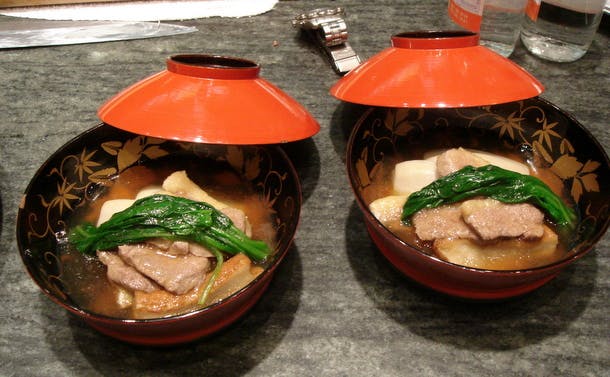
A remarkable event in New York featured a forum on 'understanding Japanese cuisine' organized by top chefs visiting from Japan and three major cooking schools. The seminar highlighted the characteristics of Japanese cuisine, including the expression of seasons, engaging all five senses in the eating process, enjoying various textures and colors of food.
iga donabe maker
Explore the history and craftsmanship of traditional Japanese cooking vessels known as donabe. Visit Iga village in Mie Prefecture where Iga Mono, the last major donabe company, continues the 175-year tradition of producing these prized earthenware pots. Learn about the unique Biwakoso clay, known for its exceptional heat retention and insulating properties, that makes Iga donabe a staple in Japanese kitchens.
Ikejime: The Japanese Way to Butcher Fish
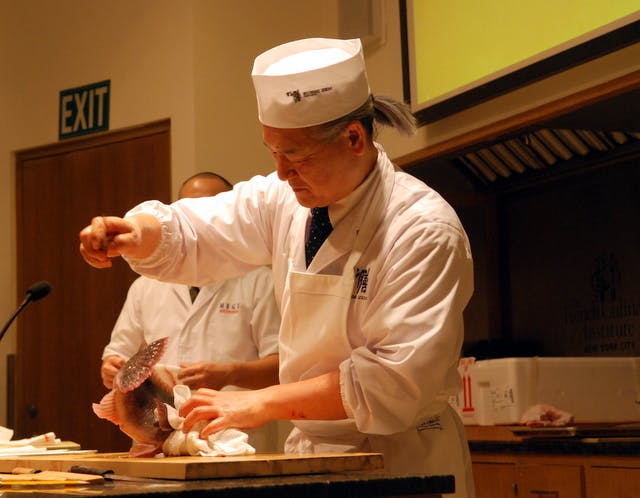
Discover the traditional Japanese ikejime fish butchering method and its impact on umami flavor in Japanese cuisine. Learn from chef Toshio Suzuki's insightful presentation and the maturation process that turns a live fish into sublime food. Find out about the transcendent sushi experience at Sushi Zen restaurant with Suzuki-san.

japanese chefs knives
Explore the world of Japanese kitchen knives, their styles, and techniques in this article. Visit Korin Trading for the most extensive collection of top Japanese knives and expert advice on choosing the right one. Learn about traditional knife commitment, the relationship with your knives, and sharpening techniques for a deeper appreciation of Japanese cooking.
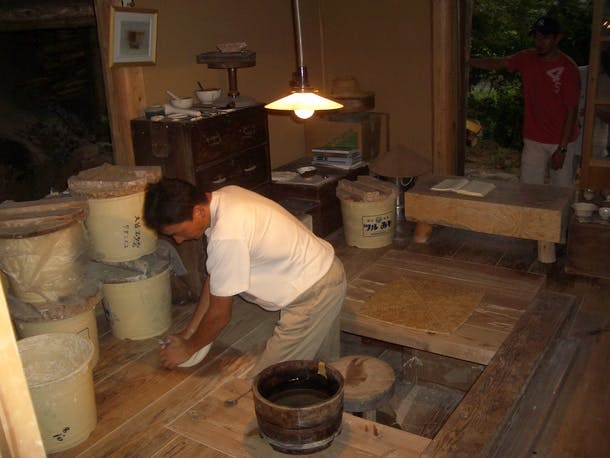
japanese potters: mr. & mrs. kajiwara
Discover the heartwarming story of a visit to the studio of Mr. Kajiwara, a potter from Karatsu, and his hospitable family in the Kyushu countryside. Learn about their traditional Japanese pottery and the simple, delicious lunch they shared, featuring rice grown by Mr. Kajiwara himself.
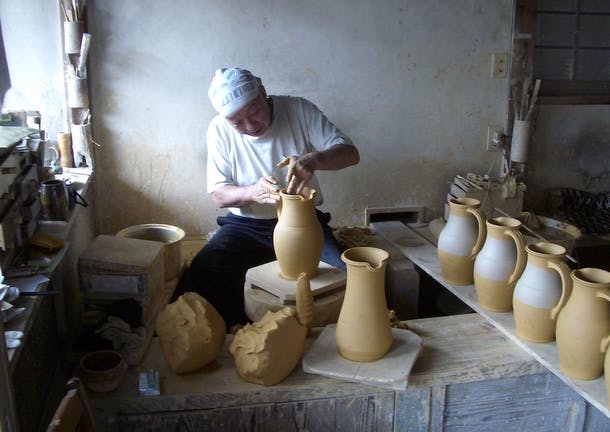
japanese potters: shigeki sakamoto
Discover the tradition of Japanese folk pottery in the tiny hamlet of Onta, where eleven families have been creating traditional pottery for 300 years. Explore the unique blend of beauty and functionality in the work of Mr. Sakamoto, a symbol of Japanese cultural heritage.
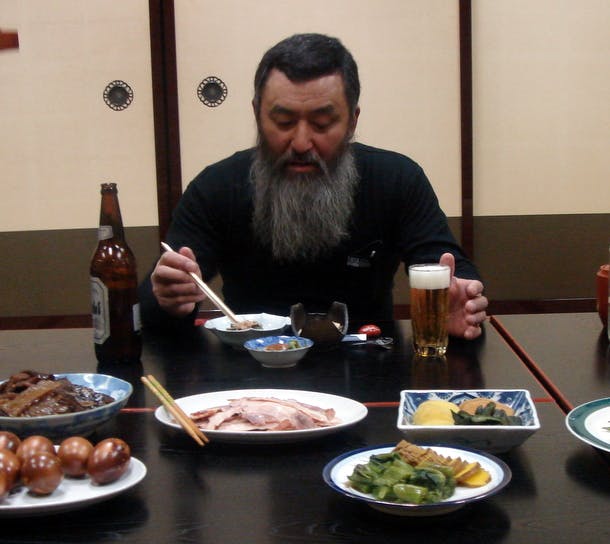
japan's far north
Explore the traditional food culture of Tohoku, Japan's rugged far north, shaped by its mountainous geography and harsh climate. Discover the role of naturally preserved fish and vegetables, wild uncultivated greens, and game in the diet, as well as the warmth and kindness of the locals who preserve food customs handed down through the generations.
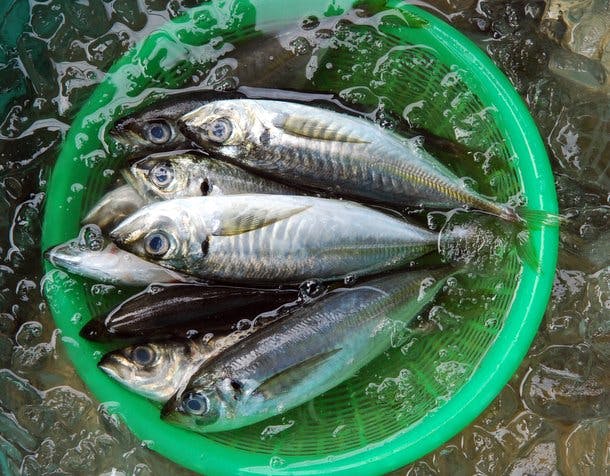
Katsuura Morning Market
Explore the Katsuura morning market, located an hour and a half outside Tokyo on the Chiba peninsula. Discover an array of unbelievably fresh seafood, local produce, and traditional Japanese goods, all while experiencing the rustic and timeless pace of country life. Don't miss the opportunity to visit this historic market, which has been thriving since the 1570s. Plan your day trip from Tokyo to Katsuura and experience the unique charm of this fishing port and traditional market.
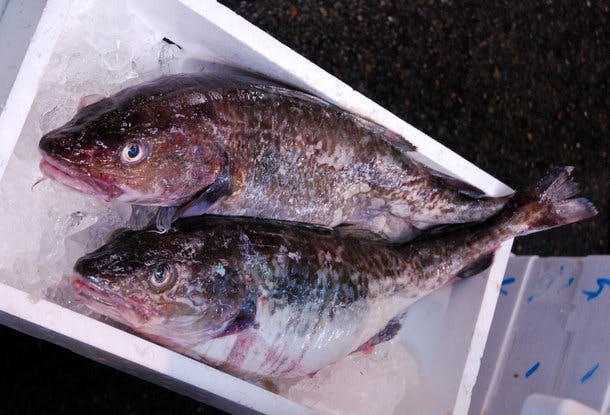
kyoto fish market
Discover the fresh fish market experience with guest chef Tetsuo Takenaka in Kyoto. Learn about the importance of freshness, seasonality and quality of ingredients in Japanese cooking. Explore the variety of seafood from the Kyo-ichiban Market, and delve into the culinary traditions of Japanese cuisine.
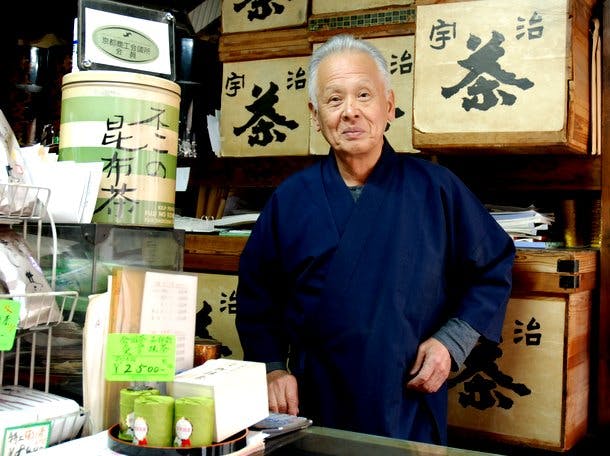
kyoto tea
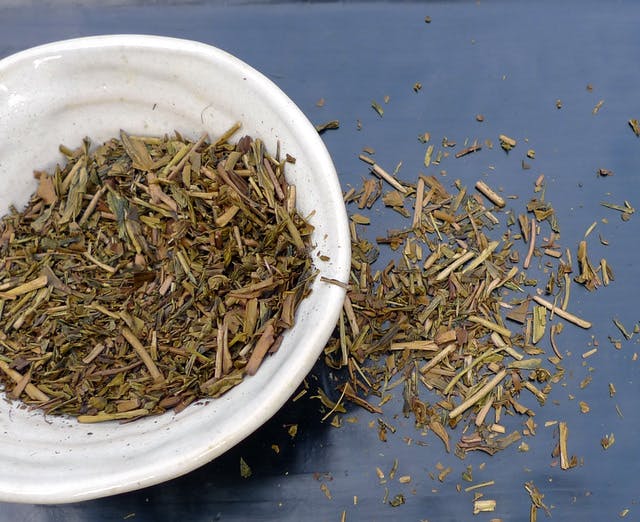
Discover the secrets of Kyoto's renowned tea scene at Goshono-e, a tiny tea merchant near the Imperial Palace. Learn about the distinct flavors of hojicha and bancha, roasted green teas, and the expertise of tea merchant Mr. Motojiro Tekemura in sourcing top-quality teas directly from growers. Find out the differences in roasting styles and leaf types from this immersive experience.
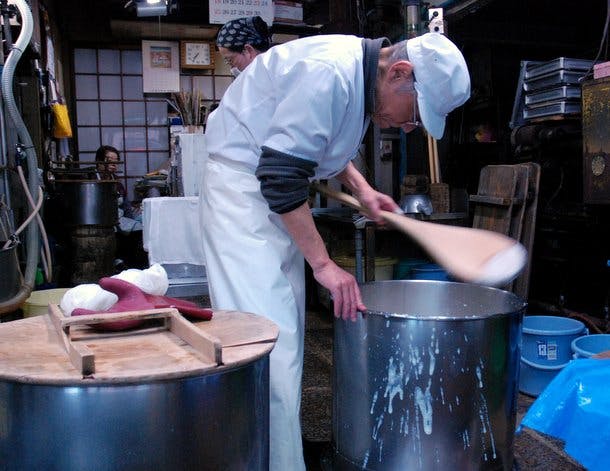
kyoto tofu maker
Explore the traditional craft of tofu making in Kyoto's historic machiya. Visit a centuries-old tofu workshop where a tiny man in a white cap busily prepares tonyu (soy milk) the old-fashioned way. Learn about the traditional process of making yuba (tofu skin) and nama fu (wheat gluten) and the use of nigari as the coagulant. Discover the rich history of Kyoto's tofu industry and its importance to the local community.
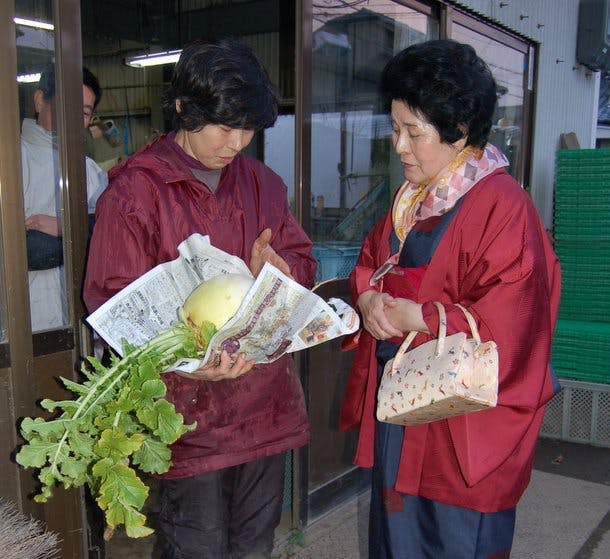
kyoto's soul food
Learn about Mrs. Sachiyo Imai's efforts to preserve Kyoto's obanzai cooking, which is a deeply-rooted part of the city's culinary heritage. Discover the significance of Kyo yasai and find out how to join Mrs. Imai's Japanese cooking classes at the NHK Cultural Center in Kyoto. Explore the history, characteristics, and cultural importance of obanzai, the everyday cuisine of Kyoto, and the unique Kyoto vegetables central to it.
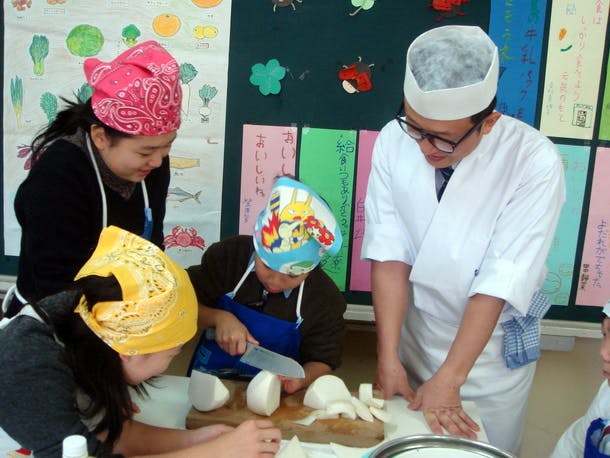
let's cook with the world's best vegetables
Experience a unique culinary education in Kyoto, Japan, as top chefs teach 5th graders about the city's rich culinary history and introduce them to kyo yasai, Kyoto heirloom vegetables. The chefs guide the students in preparing dishes featuring pristine ingredients simmering in various dashi stocks, creating a memorable cooking and tasting experience for the young participants.
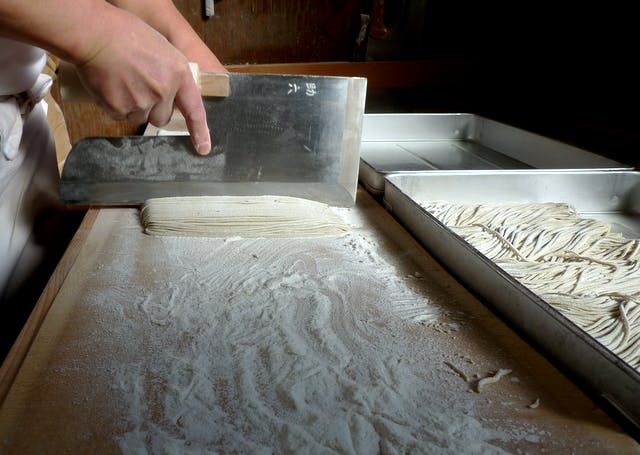
Making Soba
A visit to Akira Kobayashi's soba restaurant in Seki City, Gifu Prefecture, turned into an unforgettable experience as he demonstrated the art of making soba and served delicious tempura. The article describes the unique flavors and techniques used by the soba master, along with a glimpse into the process of making soba noodles and the inviting atmosphere of his traditional restaurant.
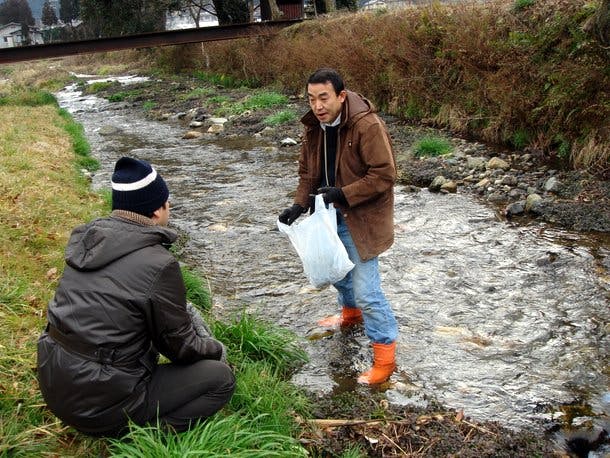
masa's soul brother
Learn about the renowned chef Hisao Nakahigashi and his restaurant in rural Ohara, Japan. Discover his cooking style, So-Jiki, which explores the flavors of traditional Japanese multi-course kaiseki cuisine with a focus on using humble wild and local artisanal ingredients. Read about Masa Takayama's thoughts on Mr. Nakahigashi's culinary skill and experiences.
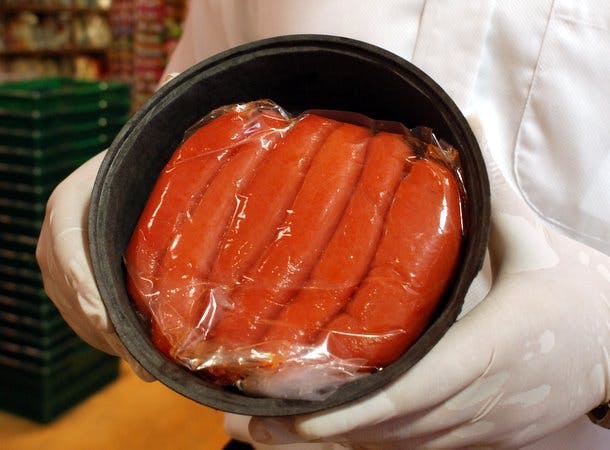
Mentaiko!
Shin Hatakeyama of Sunrise Mart in Manhattan is committed to importing high-quality, authentic Japanese ingredients. Daigo Irifune of Yamaya USA showcased his company's mentaiko, spicy pollock roe marinated in chili, sake, konbu, and yuzu citrus. Mentaiko is used in onigiri, Japanese-style pasta, and dishes like mentaiko salad, a delicious combination of mentaiko, wakame seaweed, cucumbers, and kuzukiri noodles.
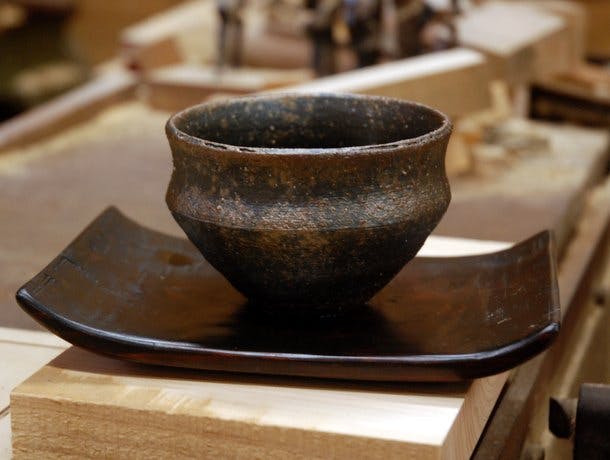
mr. iwamitsu, wood carver
Discover the art of wood carver Mr. Iwamitsu in rural Western Honshu, Japan, and how his hand-carved plates and bowls add a unique character to Japanese tableware. Learn about the traditional techniques and the seasonal transformation of his artisanal wooden vessels when used for serving Japanese cuisine.
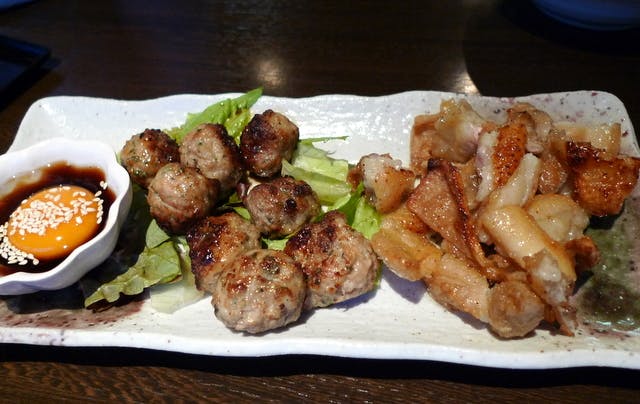
Nagoya Cochin Chicken
Discover the unique flavors of Nagoya Cochin chicken, a signature variety of jidori chicken in Nagoya, Japan. Learn about the history of chicken in Japanese cuisine and the special characteristics of Cochin chicken. Visit Hioki restaurant in Nagoya to savor a variety of delicious Cochin chicken dishes, from sashimi to simmered and grilled preparations, accompanied by a selection of great sake.
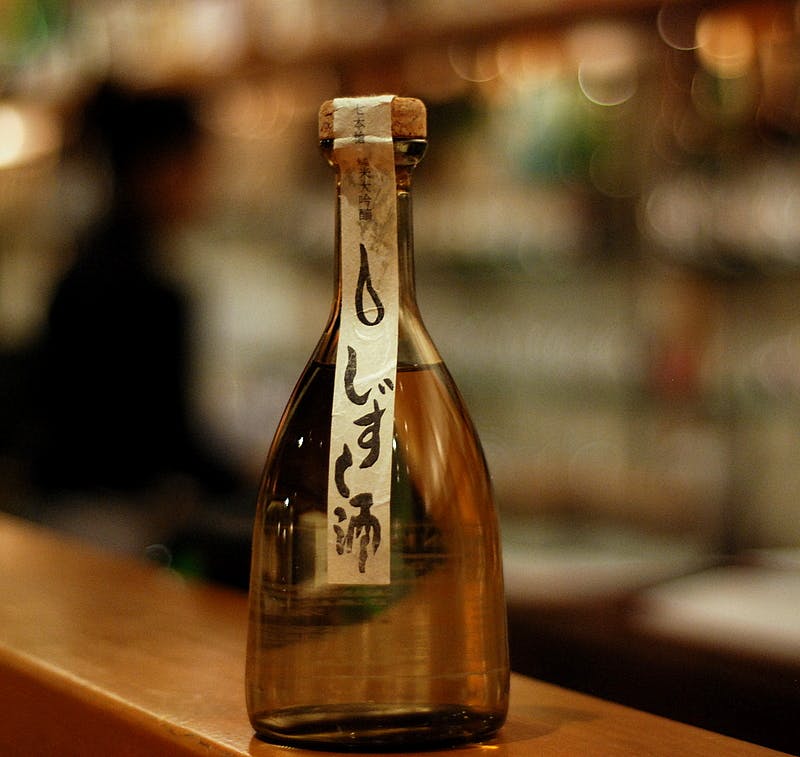
old school sake
Learn about a visit with a 15th generation brewer of regional sake at a New York restaurant. Discover the unique brewing technique, regional cooking pairings, and flavors of different sake types, including futsushu and shizuku, while also understanding the significance of Tamazakae rice in the process.
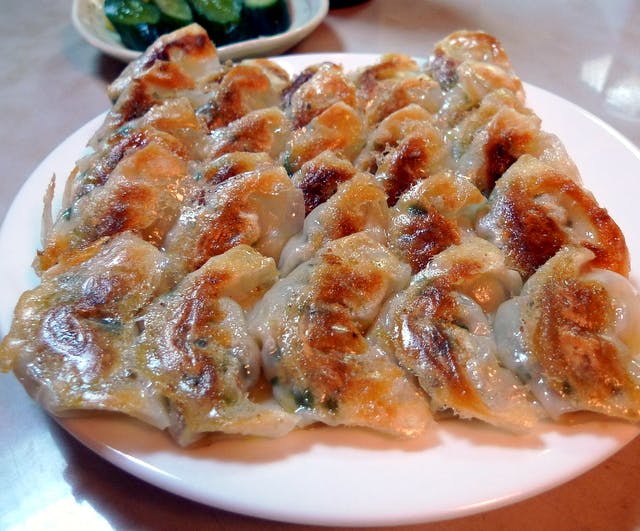
Osaka One-Bite Gyoza
Learn about the famous Tenpei Gyoza in Osaka, known for its signature one-bite gyoza. This article describes the delicious fried-then-steamed dumplings stuffed with pork, napa cabbage, and garlic chives, and includes a recipe for a tasty dipping sauce. Check out their Japanese website for more information and photos.
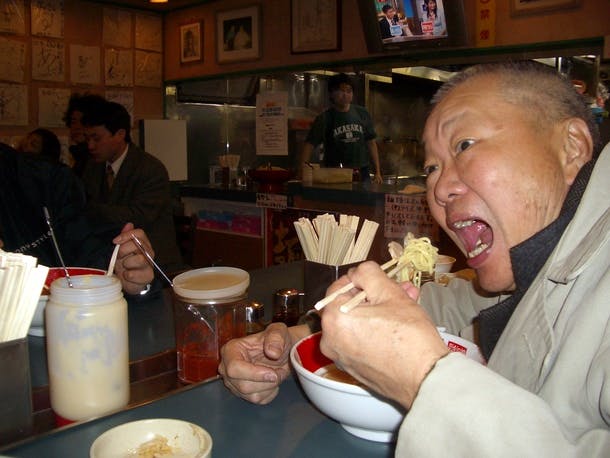
real pushcart flavor
Lloyd Nakano, a top hotelier in Tokyo with roots in Hawaii, takes a visit to Akasaka Ramen. This popular ramen spot, known for its 'real pushcart flavor' has been serving up miso-flavored, chewy ramen for 50 years. Despite moving from a pushcart to a shop, the taste has remained consistent, drawing in customers from all walks of life.

Remembering Karatsu Potter Jinenbo Nakagawa, 1953-2011
Explore the world of Japanese pottery and the life of renowned potter Jinenbo Nakagawa. Learn about the artisan craft, pottery making techniques, and the origins of Karatsu pottery. Discover the natural forms and tactile beauty of Jinenbo's work, and the impact of Japan's preeminent potter on the world of pottery.
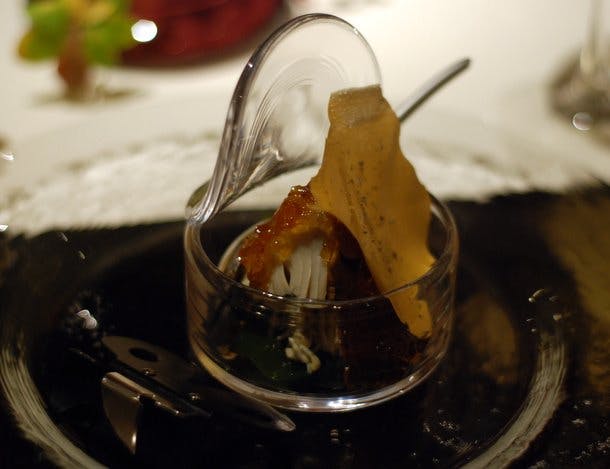
ryu gin: next wave japanese gastronomy
Discover the unique culinary artistry of Seiji Yamamoto, a Japanese chef renowned for his astonishing fusion of traditional Japanese cooking with high-tech techniques, creating a delightful blend of kaiseki and molecular gastronomy. Explore his renowned 26-seat restaurant, Ryu Gin, offering fine dining experiences that beautifully weave together traditional Japanese ingredients and cooking methods with innovative and playful presentations.

sabrina's chicken shack
Experience the authentic vibe of Tokyo in New York at Yakitori Totto on 55th by 8th. Enjoy sizzling grilled chicken skewers, real charcoal-fired grills, and Japanese rap music. Taste the real deal of Japanese cuisine with savory dishes and icy draft beers, offering a unique dining experience.
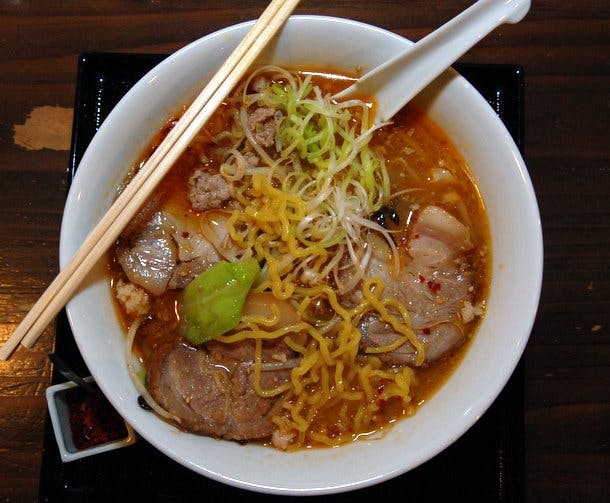
Sapporo Miso Ramen
Discover the signature miso ramen of Sapporo, boasting thick, complex broth slow-cooked from pork and ground pork, mixed with miso, and paired with fresh egg noodles and savory toppings. Explore the famous ramen joints, alleys, and theme park in Sapporo, Hokkaido, for a truly satisfying and flavorful experience.
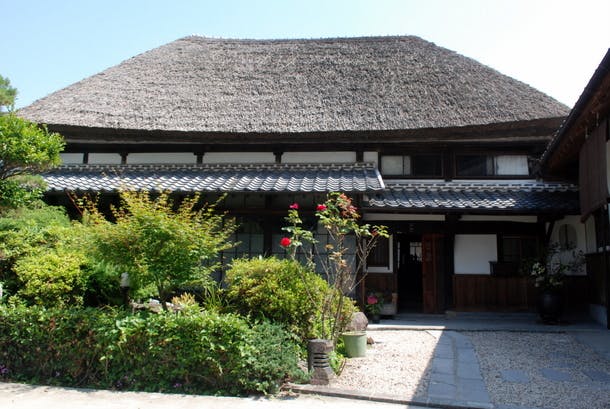
Saving Traditional Japanese Farmhouses, Or In Praise of Thatched Roofs
Explore the disappearing traditional farmhouses with thatched roofs in the Japanese countryside and the efforts of architect Hirosuke Suzuyama to preserve them. Learn about the symbiotic relationship between the thatched roofs and the occupants' daily lives, as well as the meticulous care and maintenance required to sustain these historical structures. Discover the beauty of Saga Prefecture and its traditional ways, as well as Mr. Suzuyama's mission to save this invaluable slice of Japanese heritage.
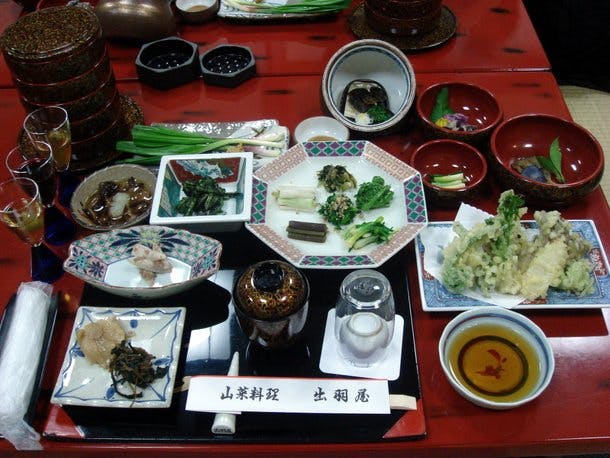
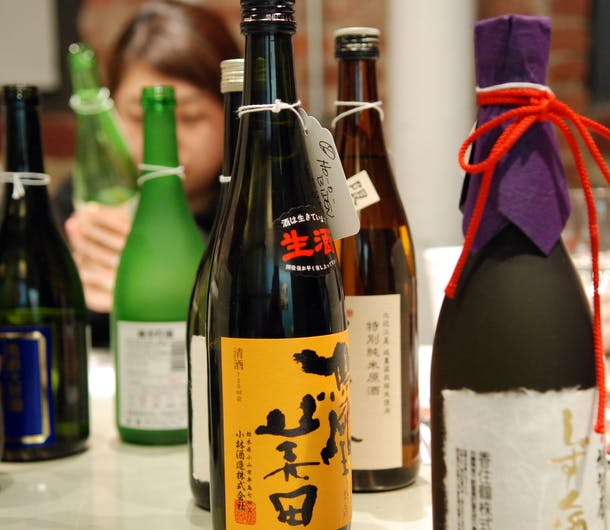
Tasting Sake
Explore the art of sake tasting with insights from top sake tasters in New York. Learn about the characteristics of Hiroshima sake and the variety of regional sake from across Japan. Discover the quality levels of sake and the latest trends in sake production, including unpasteurized and unfiltered sakes.
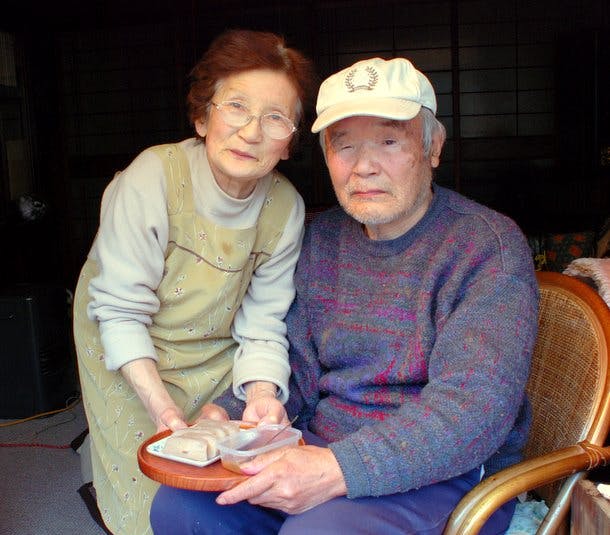
the real konyaku
Encounter the o-settai tradition along the Shikoku pilgrimage trail and discover the delightful homemade konyaku offered by Mr. and Mrs. Abe. Learn about their life story and the incredible array of crops they grow, including Japanese apricot, Japanese white peach, and various citrus fruits. Explore the unique flavor of their konyaku made from a fresh hand-grated yam bulb, setting it apart from commercial versions and earning it the title of 'the best konyaku in Japan.'

The Right Temperature To Serve Sake: A Guide
Discover the history and proper temperatures for enjoying different types of sake. Learn about premium, small-batch sakes filtering in from Japan and their optimal serving temperatures. Find out about Mr. Nori Kanai's insightful seminar on sake temperatures at the Japanese Culinary Center and explore the diverse options for appreciating high-quality sake at the right temperature. Read about some favorite selections from Rick Smith of Sakaya and get ready to enjoy warm, room temperature, or chilled sake on your next Japanese dining experience in New York City.
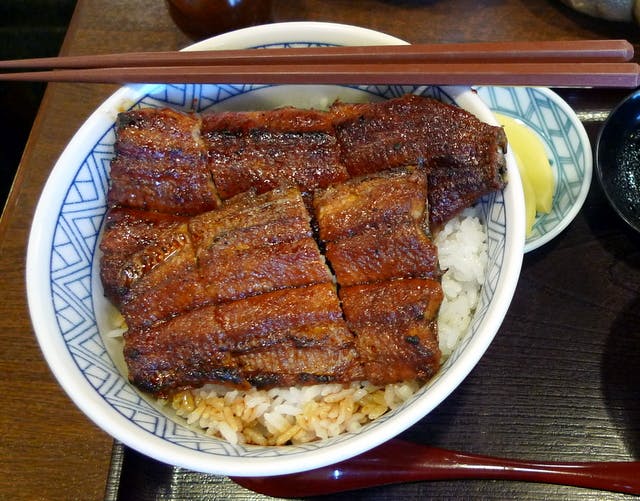
The Ultimate Unagi
Experience the peak season for grilled unagi, the famous river eel of Gifu Prefecture in Japan. Visit Shigeyoshi, a local favorite restaurant in Seki, and savor the caramel-y, roast-y aroma and the perfectly smoky and tender unagi fillets served on a bed of rice. Discover the savory sweetness of the restaurant's secret sauce and indulge in the ultimate unagi dish.
Tidbit du Jour: Tempura Batter
Explore the significance of the wheat-flour batter in tempura, known as 'koromo' meaning 'clothing', as explained by food historian Dr. Naomichi Ishige. Discover how this 'clothing' should be light and translucent, akin to revealing the skin of the wearer, in 'The History and Culture of Japanese Food'.
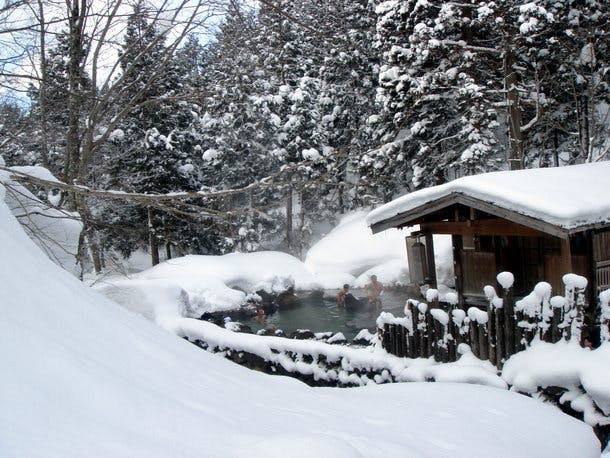
traveling japan
Discover the breathtaking countryside of Japan and its rich food culture as a journalist explores rural parts beyond Tokyo with the help of the Japan National Tourist Organization (JNTO). Learn how JNTO, staffed by people passionate about their home regions, can guide travelers to experience the beauty of Japan's inaka (countryside).
Udon-suki Hot Pot
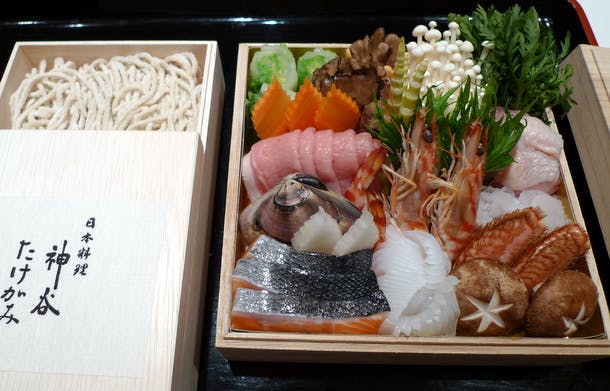
Experience the delicious and diverse udon-suki hot pot at Takegami restaurant in Tokyo, featuring fresh udon noodles, hamo, Hamaguri clams, tiger shrimp, and more, all simmered in a savory and sweet miso, soy sauce, mirin, and dashi broth. Chef Abe-san's cooking techniques ensure the delicate infusion of natural flavors into the broth, resulting in a sublime and superb dining experience warm enough for the winter season.
wada sake brewery
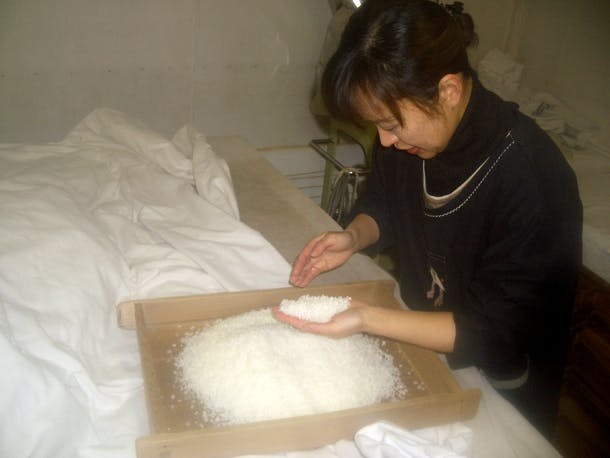
Experience the traditional sake making process at the Wada family brewery in Yamagata, where they have been handcrafting sake since 1797 using locally grown Kairo-shinko rice and prized local water. Explore the generational traditions passed down by the Wada women, and be enchanted by the warmth of Japanese hospitality as they share stories about their lives, weddings, and the iconic wedding kimono worn by three generations.
what makes good nori good?
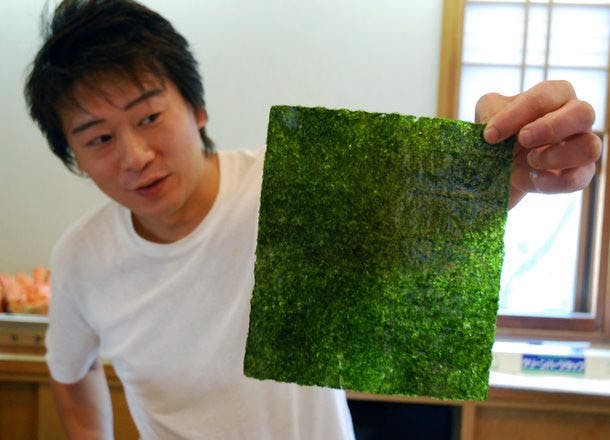
Discover the secrets of making top grade nori seaweed as a nori maker along the Ariake Sea shares the qualities that make his product stand out. From the satisfying briny aroma to the audible crunch and smooth texture, learn why top quality nori is highly sought after by chefs in Japan and beyond.
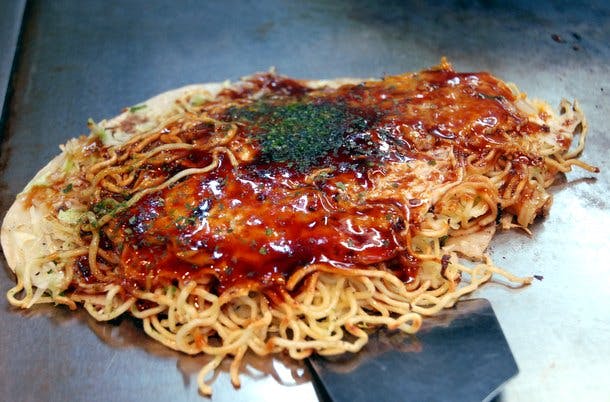
"your choice," fuchu style
Discover the savory taste of Fuchu-style okonomiyaki, a traditional Japanese dish with your choice of toppings. Visit Furokawa Shokudo, a charming restaurant in a small country town near Hiroshima, and savor the unique flavors of this beloved dish, prepared by experienced cook Miyoko-san.