Rice
12 entries
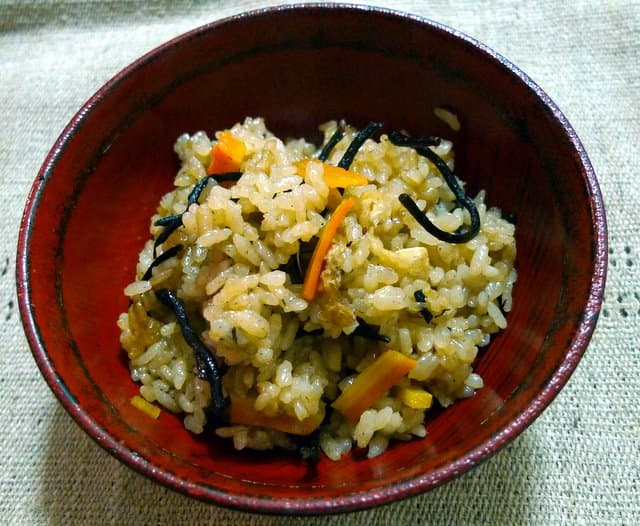
Ah, Japanese mixed rice. There are so many variations, and they're all so tasty and easy to prepare. So why isn't this dish a standard in every American home? It should be.

Last night I helped my buddy Atsushi Nakahigashi, a chef at the award-winning Kajitsu, teach a packed class at the Brooklyn Kitchen about traditional Japanese breakfast. (A truly fantastic, fascinating, informative class -- great job, Atsushi!!) Of course, no Japanese breakfast is complete without a bowl of beautiful, steaming white rice, so one of the first things Atsushi did was demonstrate his way of washing, rehydrating, and resting rice for cooking.
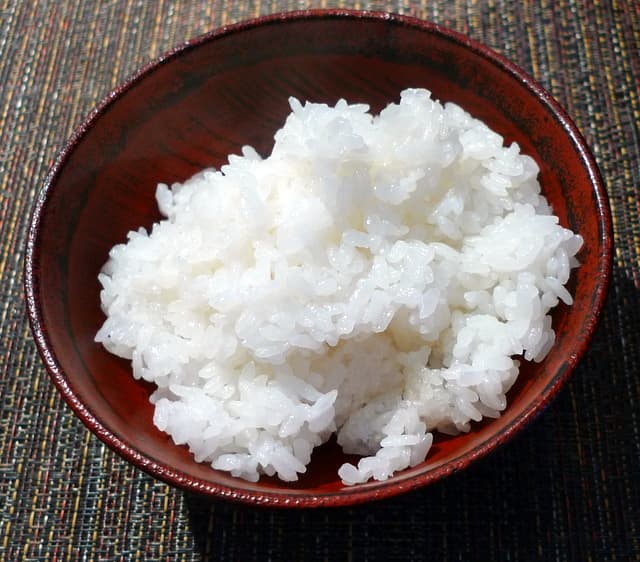
Check out that beautiful rice in the photo above. Every grain is glistening, polished, plump perfection. Nobuko-san cooked it in a regular rice cooker -- my rice cooker. But my rice never comes out this amazing. So what's Nobuko's secret?
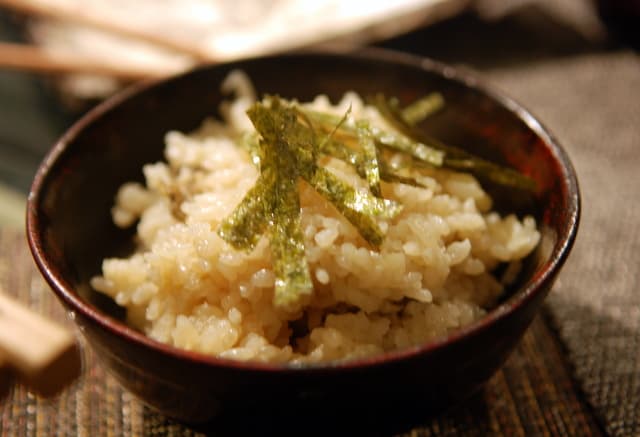
I love mixed rice dishes in Japanese cooking. In this one, Nobuko prepared rice with freshly shucked oysters, delicious.
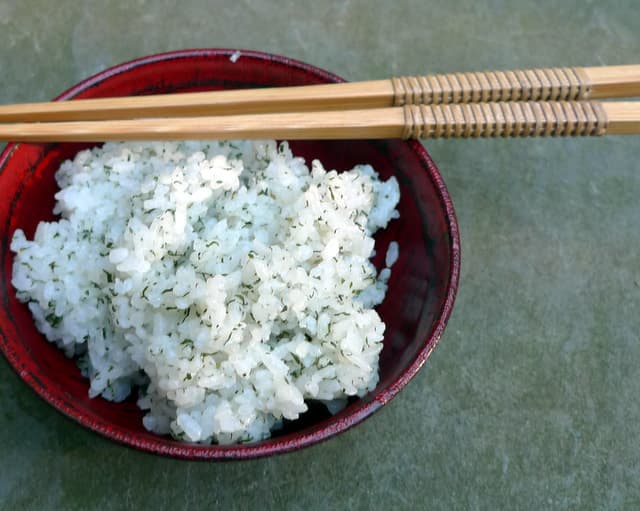
The last simple cooking method I explained, simmering, got, well, a little lengthy and drawn out - I said simple, but forgot concise! So let me make amends by offering this exceptionally delicious, exceptionally simple (and concise) method for shiso rice:
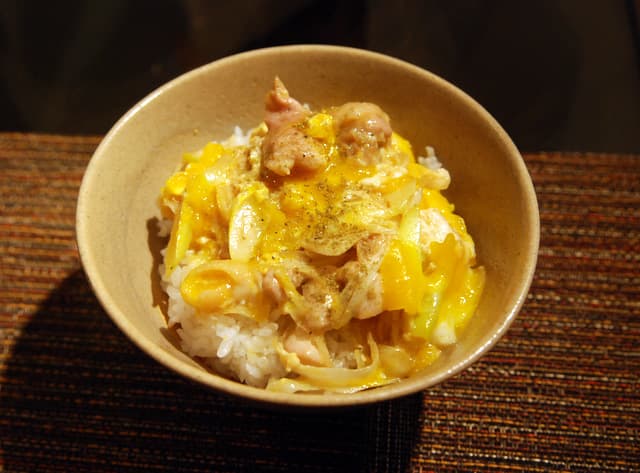
Here is Chef Isao Yamada's incredibly tasty version of a Japanese comfort food classic...
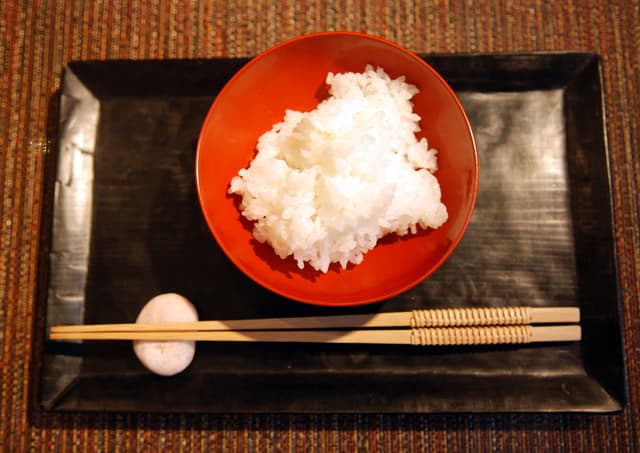
I was going to wash the rice for dinner myself, but my houseguest, a talented young Japanese chef stepped in to do it.
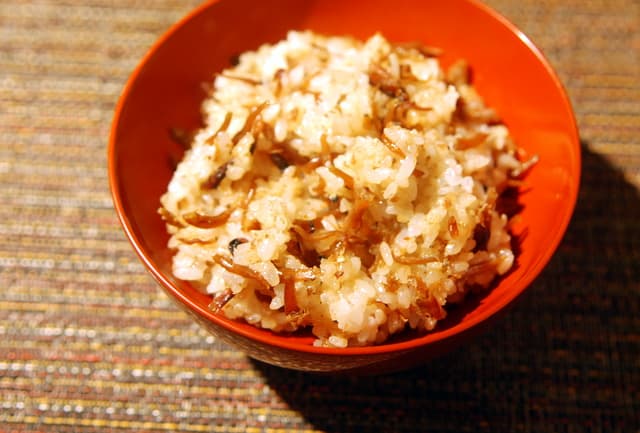
The amazing chestnut rice I cooked in the last post must have put me in a serious rice kind of mood, because here's another incredible rice dish, this one mixed with soy sauce-infused chirimen jako (dried, tiny fish, a fantastic ingredient we'll get to in a minute) and sansho (intensely aromatic, seductive accent, ditto about getting into in a minute).

A friend in Japan just sent me this recipe for chestnut rice (kuri gohan) and I cooked it tonight. Wow! So simple, but with such a play of delicate flavors. You have to try it.
Since I returned in June from three months of cooking in Japan, I've been itching to keep building my skills. Luckily, Abe-san, the chef of the fabulous En Japanese Brasserie in lower Manhattan, graciously invited me into his spacious open kitchen.
When I worked on a story on dashi last fall, I searched mightily for all the English-language information I could find on kombu and katsuobushi (dried kelp and dried, shaved bonito), the elements that make up a classic Japanese stock. I wish "Dashi and Umami" was available when I was writing my article.
Visiting Kyoto last week, Tadashi and I rendezvoused with Chef Hisao Nakahigashi at 7 a.m., hopping in his van and setting off for the valleys and mountains north of the city, where he heads every day to forage for wild greens and collect vegetables from family farmers.