Recipes & Articles
256 entries from the Japanese Food Report archive

Here's why I'm such a huge fan of Japanese hot pots: They're so incredibly versatile -- whip them up for a quick family meal, or transform them into an elaborate feast. Case in point, last night's luxurious procession pictured above, complete with two bottles of Tattinger.
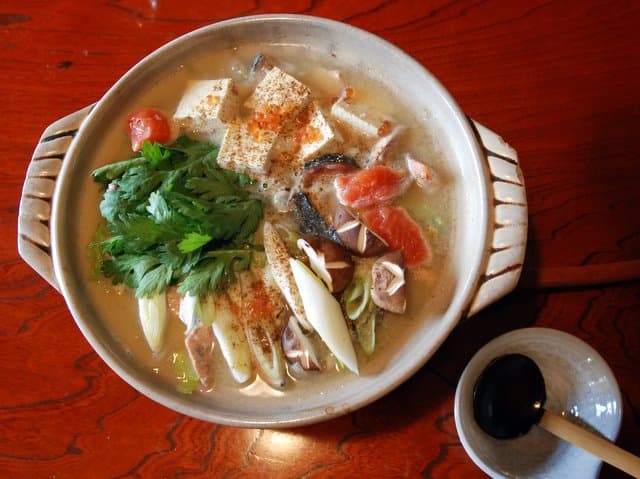
I'm delighted to announce that my pal and coauthor Chef Tadashi Ono and I will be teaching a master class on all things hot pot! I hope you can join us.
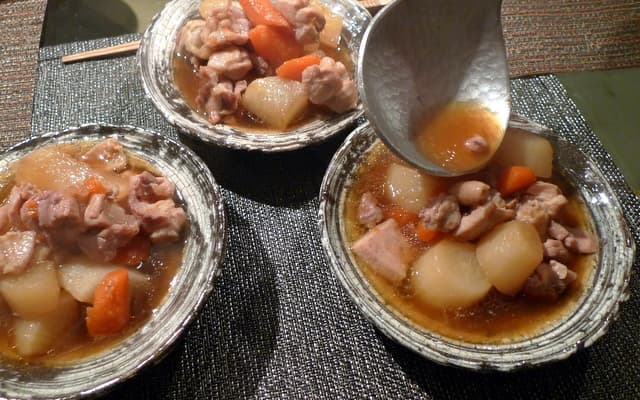
I've talked about simmering before, so you know it's one of my favorite cooking techniques in Japanese cuisine. It's a simple and fast way to infuse amazing flavor into ingredients. The secret is the traditional seasonings:
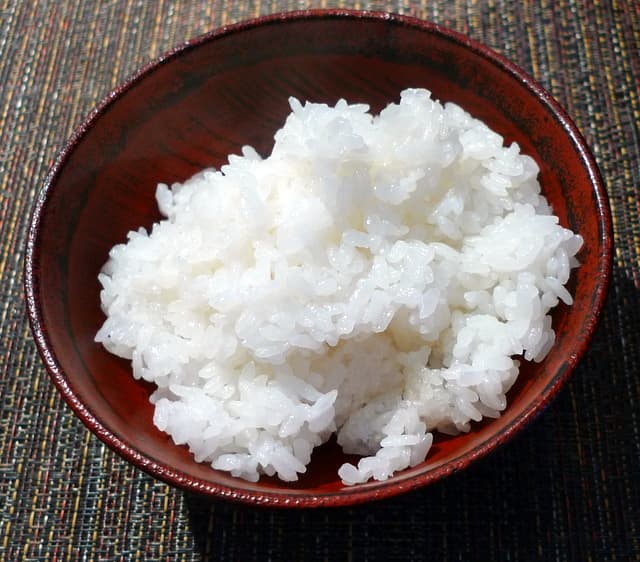
Check out that beautiful rice in the photo above. Every grain is glistening, polished, plump perfection. Nobuko-san cooked it in a regular rice cooker -- my rice cooker. But my rice never comes out this amazing. So what's Nobuko's secret?
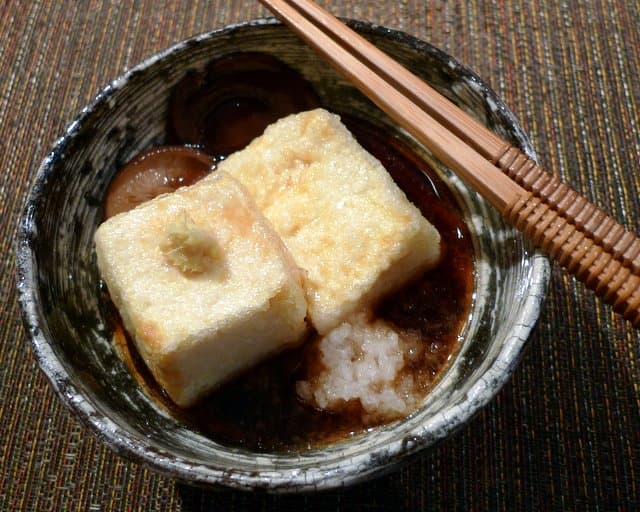
My friend and hero Elizabeth Andoh has just published her latest cookbook, Kansha. Make sure to pick up a copy! As I paged through the book, Elizabeth's recipe for age-dashi dofu, or crispy creamy tofu, as she describes it, caught my eye (p 178). I had to cook it, and it was delicious! Here's my adaption of her recipe, for 4 servings:
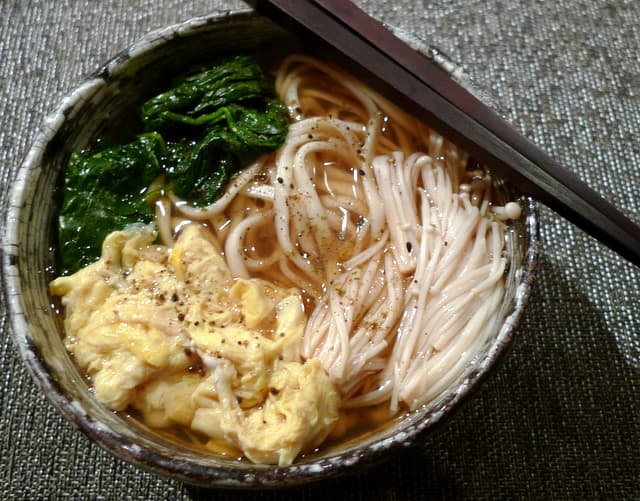
As my wife and I adjust to our new life with Blizzard Baby -- our cute son was born smack in the middle of last weekend's raging snow storm (getting to the hospital was an unbelievable saga) -- I wanted to whip up something fast, delicious and comforting for din din last night, our first of 2011. Okay, so how about udon in a hot broth with spinach, eggs and enoki?
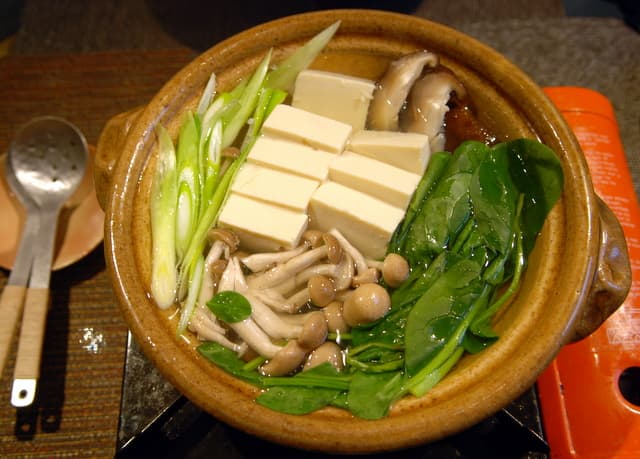
Here's the story: It's snowing like mad in Brooklyn and my wife, mother-in-law and I are stuck in the apartment waiting for my honey to begin labor. Yep, she's due any moment now -- and we're laughing that, naturally, the baby's gonna arrive smack in the middle of a major snow storm! So far, so good, but there was the little matter of lunch. We didn't feel like doing a big cooking, and we certainly weren't going out in this muck. So what to do?
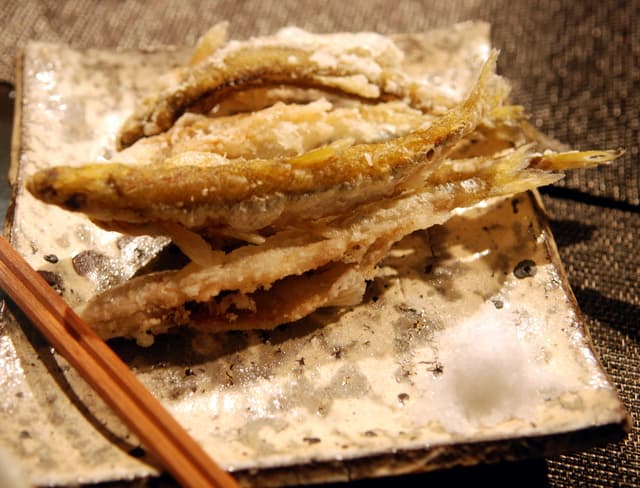
Nobuko called me into the kitchen to gut these smelts -- why did I have to do the dirty work? Actually, I like gutting fish, and these were nice, fresh smelts.

Shungiku are leaves of a variety of chrysanthemum and have a distinctive taste that I love. They have many uses in Japanese cooking, this might be the simplest preparation.
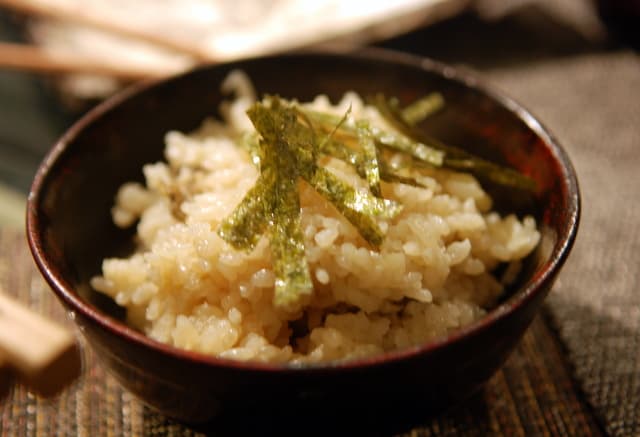
I love mixed rice dishes in Japanese cooking. In this one, Nobuko prepared rice with freshly shucked oysters, delicious.
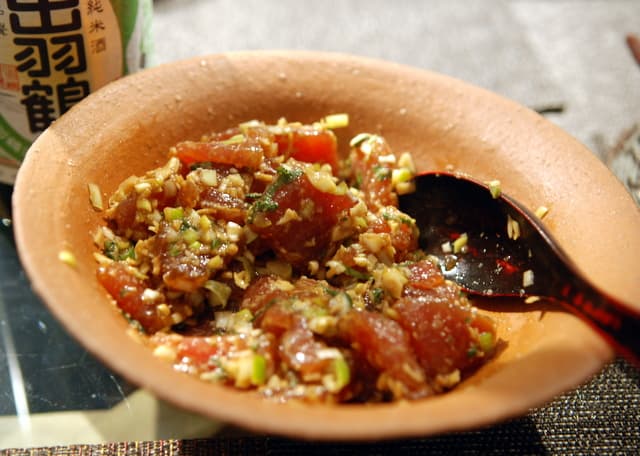
Happy holidays, everyone! I want to share a few dishes from a fabulous home-cooked Japanese dinner I enjoyed this past week. I don't have recipes, but Nobuko, who's an amazing cook and prepared everything, explained what she did. So I'll try to explain the dishes here, in turn. First up, magurozuke, marinated tuna.

In these two videos Chef Abe demonstrates two great techniques for clams, both easy and delicious. For the clam soup he uses Little Neck clams, and for the sake-steamed technique (sakamushi) he uses smaller Manila clams.